
Blizzard quietly reintroduced Warcraft 3 legacy on Battle.net in 2026, six years after the disastrous launch of Reforged. No official statement, no public announcement: it was PC Gamer that spotted the move. All owners of the game can now access the old client through a simple dropdown menu in the application.
Behind this understated gesture lies a long history of accumulated frustrations: a remaster sold on broken promises, removed features, a sacrificed modding community, and buyers who were denied access to Warcraft 3 legacy for years. This article looks back at the reasons for the backlash, what Blizzard ultimately fixed, and what still falls short.
Disappointed fans and broken promises: how Reforged betrayed its buyers
Warcraft III Reforged launched in January 2020 with a simple promise: to give franchise fans a remaster worthy of the name. Blizzard had shown convincing pre-release previews, including reworked cinematics in a modern style, faithful to the universe but visually ambitious. The community believed it. Many purchased without hesitation, carried by years of nostalgia and trust in a studio that had built its reputation on quality.
The result was something else entirely. At launch, many promised features had vanished. The reworked cinematics, presented as one of the project’s main selling points, were nowhere to be found. The game suffered from technical issues, announced content had been cut, and the listed price did not match the delivered quality. That rushed release left a bitter taste among a large portion of buyers, who quickly labeled the whole operation a commercial scam. For those who had trusted Blizzard as a quality guarantee, this kind of fiasco was not an isolated case.
Anyone who wanted to play the original game was now forced to go through Reforged. For players who had owned Warcraft 3 legacy for years, buying the same game again in a version that fell short of expectations was an additional humiliation. That feeling of being misled by broken promises is never easy to shake, as other recent disappointments illustrate: being let down by a publisher always leaves a lasting mark.
Warcraft 3 legacy returns, but Blizzard stays silent
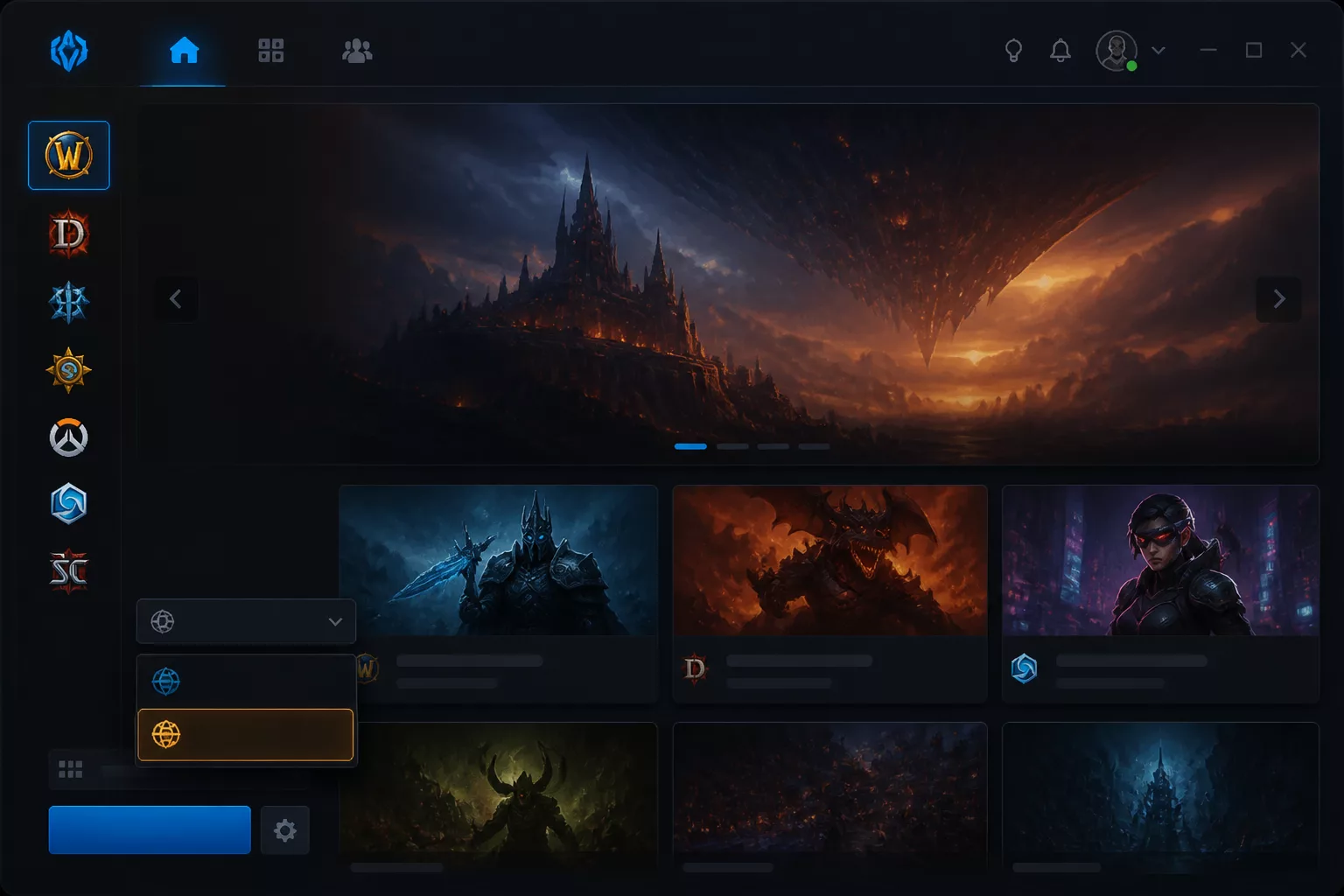
Six years after a disastrous launch, Blizzard made a decision as unexpected as it was quiet: bringing Warcraft 3 legacy back to Battle.net. No official announcement, no public communication. A move that passed almost unnoticed, yet one that could reignite the passion of the most nostalgic players.
To grasp the scale of the gesture, the numbers speak for themselves. The release of Warcraft III Reforged remains one of the darkest chapters in Blizzard’s recent history: 59/100 on Metacritic from critics, and a user score of 0.6 out of 10, one of the lowest ever recorded on the platform. Not a 6 out of 10, not an ordinary mediocre score. A rating that reflects a rare and near-unanimous hostility from the community. The relationship between the studio and its fans, already strained on several fronts, has not improved since.
It is in this context that the return of Warcraft 3 legacy carries particular weight. Without fanfare, Blizzard seems to implicitly acknowledge the mistakes of the past by making available again a version that many thought had been permanently buried.
The damning record of Reforged: bugs and removed features
Warcraft III Reforged did not just disappoint. It actively degraded the experience of the original game. Graphics and textures were slightly improved, but everything else was a step backward. The connectivity issues present from day one did not only affect the new version: they also hit Warcraft 3 legacy, the build that millions of players had relied on for years. Hard to justify for a release marketed as an upgrade.
Among the most serious grievances was the removal of the competitive ranked ladder. The original had featured one for years. Blizzard removed it with Reforged without a satisfactory explanation or a clear return date. Players who had built their reputation on the ranked ladder were left without any way to measure their level. Several corrective patches followed over the months, never enough to restore trust.
The modding community paid a particularly heavy price. Hundreds of creations, some developed over weeks or months, became incompatible with the new launcher. Custom maps, full campaigns, collaborative projects: all of it became inaccessible or broken. This cornerstone of the game’s life, which had kept Warcraft 3 legacy active well beyond its normal cycle, was ignored in the transition.
To summarize the main documented problems at launch and in the months that followed:
- Connectivity issues affecting both Reforged and Warcraft 3 legacy
- Removal of the competitive ranked ladder present in the original game
- Mods and community content massively incompatible through the new launcher
- Old version pulled from sale, forcing new players to buy Reforged
- Historically low user score on Metacritic at launch (below 1 out of 10)
Warcraft 3 legacy: the belated comeback and what Blizzard should have done from day one
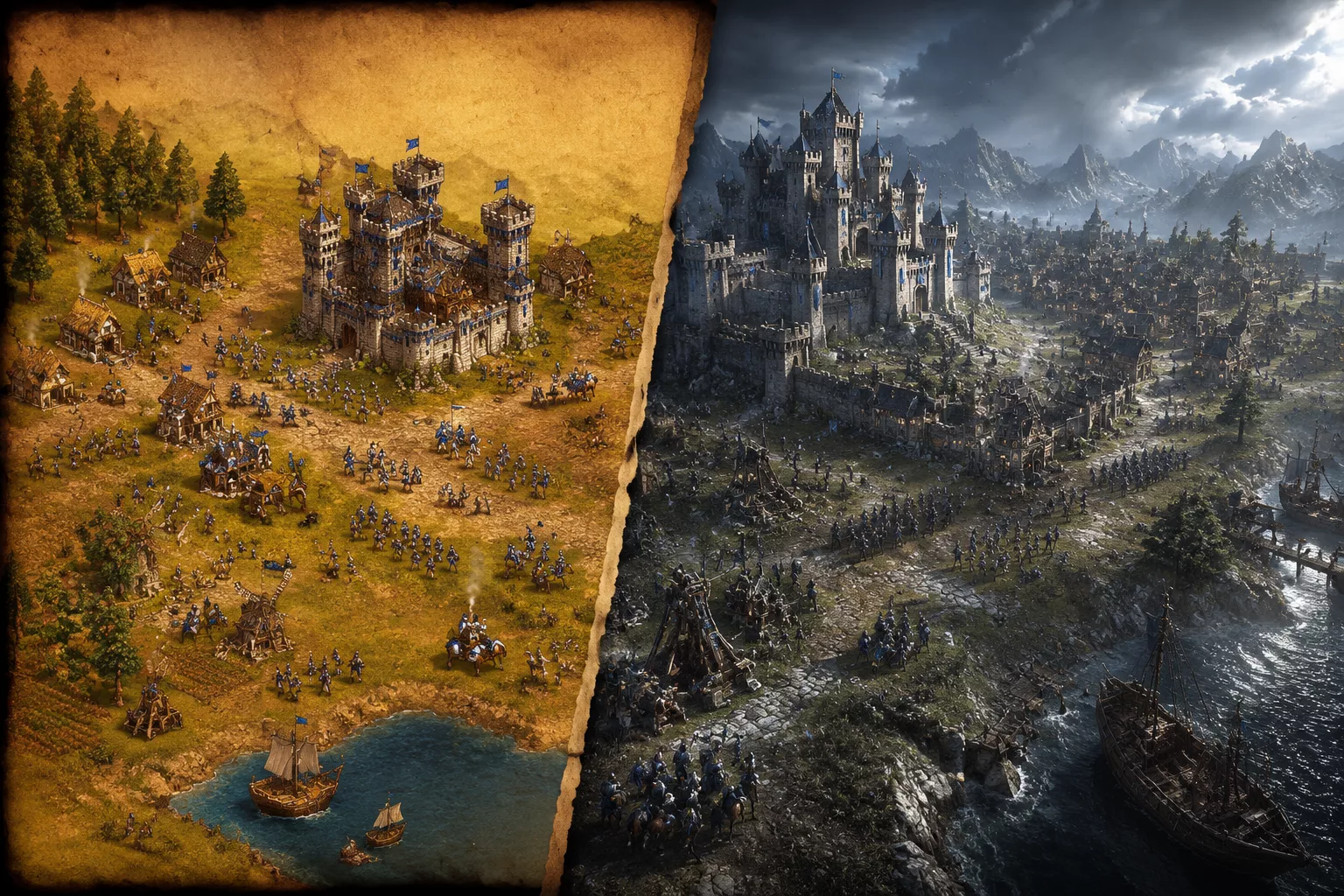
All game owners can now access Warcraft 3 legacy directly from the Battle.net application, through a simple dropdown menu. This technical detail deserves a closer look, because it gets to the heart of what sparked the outrage back in 2020.
From the moment Reforged launched, the update to the new version was imposed automatically at login, with no way to refuse. Even players who had not purchased Reforged found themselves forced onto that client. Going back to Warcraft 3 legacy was simply not an option. That choice should have existed from day one.
The likely reason Blizzard refused that option for years is fairly transparent. If players had been free to compare both versions side by side from launch, many would have returned to Warcraft 3 legacy within weeks, amounting to a very public admission of failure. The comparison with the Battlefield franchise is telling: several older entries now draw more active players than some recent installments. That kind of result, made visible by the numbers, is precisely what publishers try to avoid.
Blizzard has finally done what should have been done from the start. In 2026, the move looks more like a belated correction than a genuine gesture toward the community. Fan trust in Warcraft III has never fully recovered since 2020, and an option buried in silence inside a menu is not enough to erase six years of frustration.
A limited legacy version, a late 2.0 patch, and solidarity among shortchanged fans
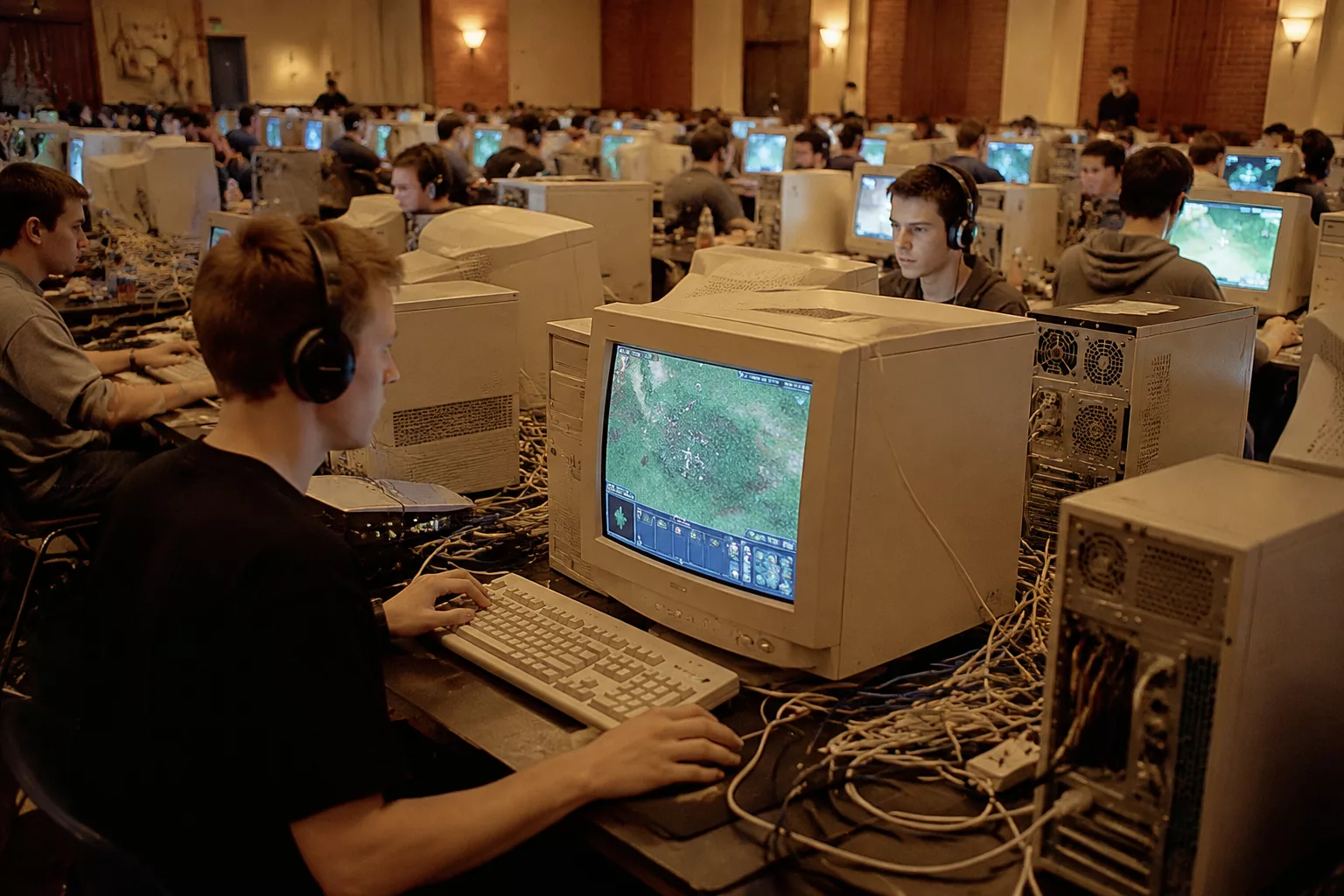
The Warcraft 3 legacy version made available corresponds to patch TFT 1.29, one of the last stable iterations playable over a local area network before Reforged arrived. The limitations are clear: no modern online multiplayer, no competitive ranked ladder, no online features worthy of 2026. The experience is restricted to offline and LAN play, bringing it back to what it was in the early 2000s. This is more about preserving gaming heritage than relaunching the title commercially.
This return follows the 2.0 update, rolled out in 2024 to mark the 30th anniversary of the Warcraft franchise. That patch had already represented a turning point: hybrid graphics options allowing players to mix old and new rendering, interface adjustments, new cosmetic content, a significant overhaul of ranked multiplayer. The timeline is hard to ignore: post-patch assessments from Blizzard releases consistently confirm that meaningful improvements tend to arrive long after launch. It took until 2024 for significant corrections, and until 2026 for Warcraft 3 legacy to become accessible again.
For players who bought Reforged at launch on the strength of a broken promise, the return of Warcraft 3 legacy feels less like a commercial gesture than a belated acknowledgment of a collective mistake. The frustration voiced over the years on forums and social media at least helped move the needle, even at a pace many will find insufficient. The Warcraft III community never truly disappeared, and that is probably what made this reversal possible.









0 Commentaires
Aucun commentaire pour le moment. Soyez le premier à commenter !