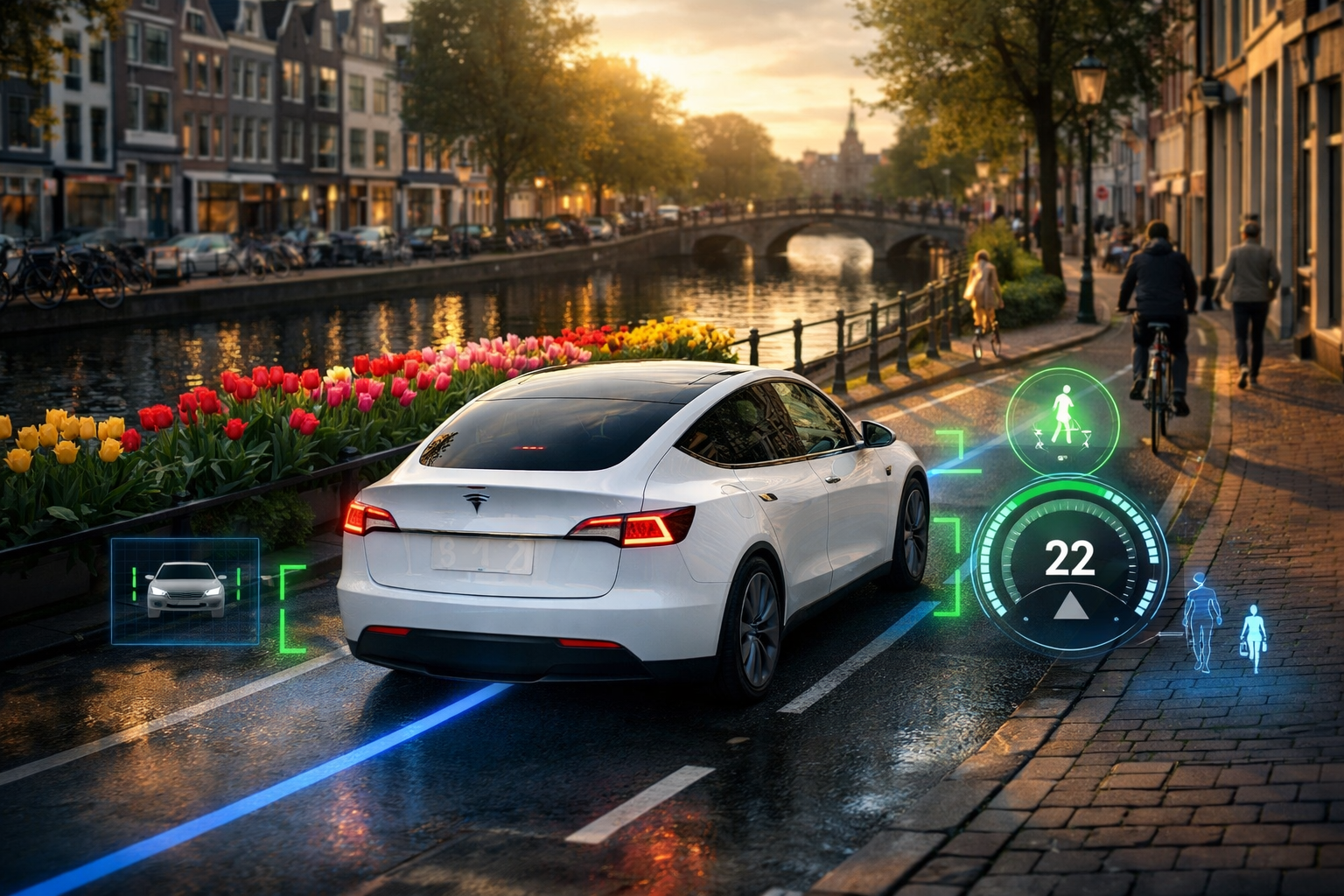
Self-driving in Europe crossed a major milestone this Friday, April 10, 2026. TESLA Geek, whose video details the entire process, reports the announcement officially confirmed by Tesla and the RDW: Tesla FSD supervised is now approved for use on roads in the Netherlands. A first within the European Union, after years of regulatory deadlock. Tesla FSD arrives via software version 2026.3.6 for a limited group of customers, and only on vehicles equipped with Hardware 4.
Behind this announcement lies a genuine strategic shift for the automaker and for the continent. European owners had so far been limited to an Autopilot constrained by UNECE regulations. By securing the RDW’s green light, Tesla proves that its vision-based system meets European safety requirements. Let’s look at what concretely changes and what lies ahead for other countries.
Tesla FSD Gets Its First European Approval from the RDW
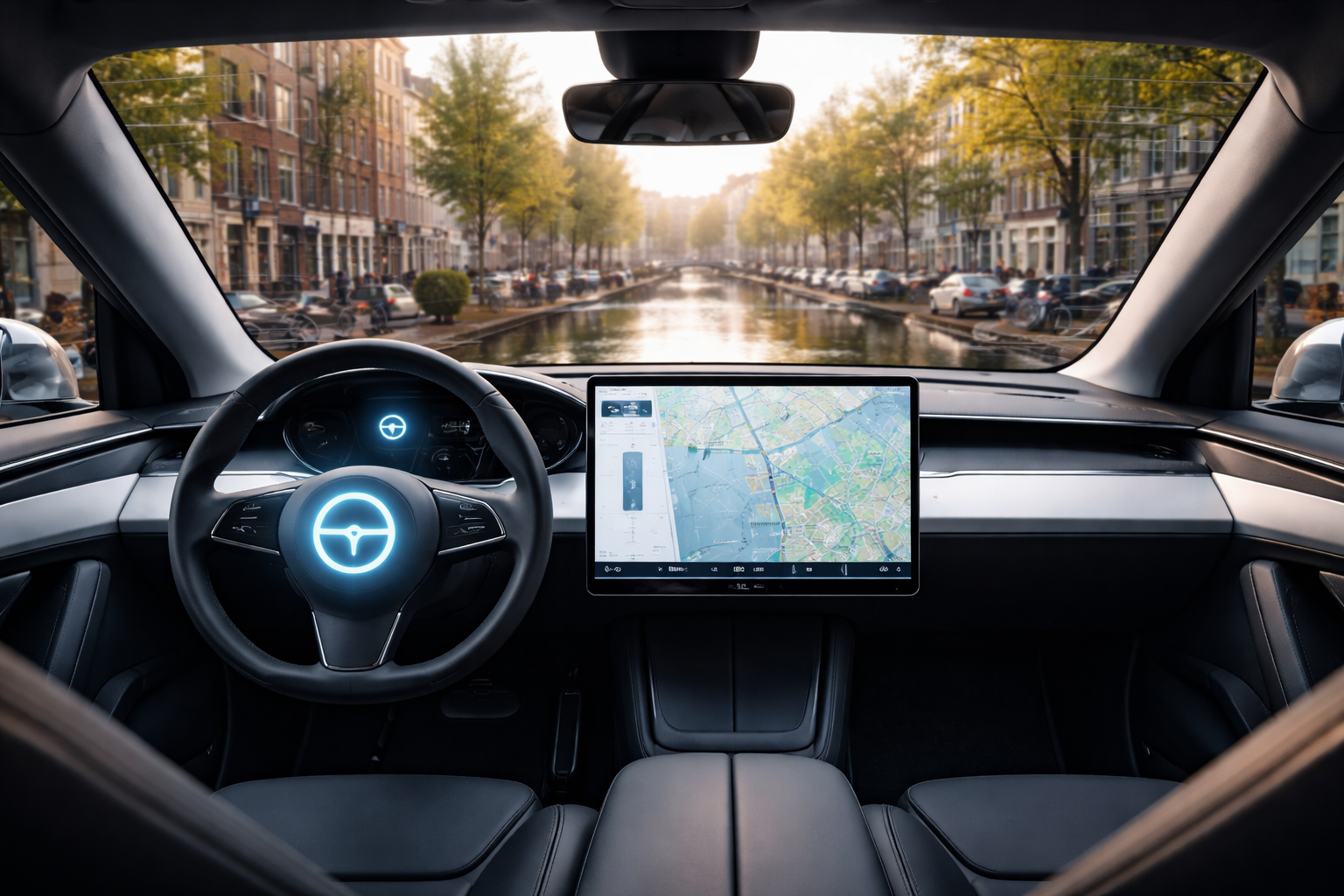
The RDW, the Netherlands vehicle authority, validated Tesla FSD supervised mode after extensive testing. The rollout is being handled cautiously, with a select group of customers serving as early adopters. The release notes are clear: the car can pull away from a stop, change lanes, follow a route, navigate around obstacles and other vehicles, turn left and right, and stop at its destination. In other words, virtually everything a human driver does on a standard trip.
Expanding Tesla FSD to the rest of the continent remains a separate challenge. The RDW must submit a request to the European Commission to authorize use across all 27 member states. A majority vote of member states will determine the outcome. There is a real risk that countries like France or Germany — keen to protect their domestic automakers who are lagging on autonomy — could slow the process. To grasp the full scope of Musk’s bet, you can revisit our analysis on Elon Musk’s grand strategy in 2026, covering Tesla Semi, Starlink, and Moonbase Alpha.
An important point for users: mandatory training governs the first time Tesla FSD is activated. Before any activation, the driver watches an in-car tutorial and completes a short quiz. Tesla has clearly learned from American incidents, with those videos of drivers asleep or behaving recklessly at the wheel. The official communication notably uses the term « supervised automated driving » rather than self-driving, a deliberate vocabulary shift reminding the driver they remain responsible at all times.
How Much Does Tesla FSD Cost? The Monthly Option Surprises
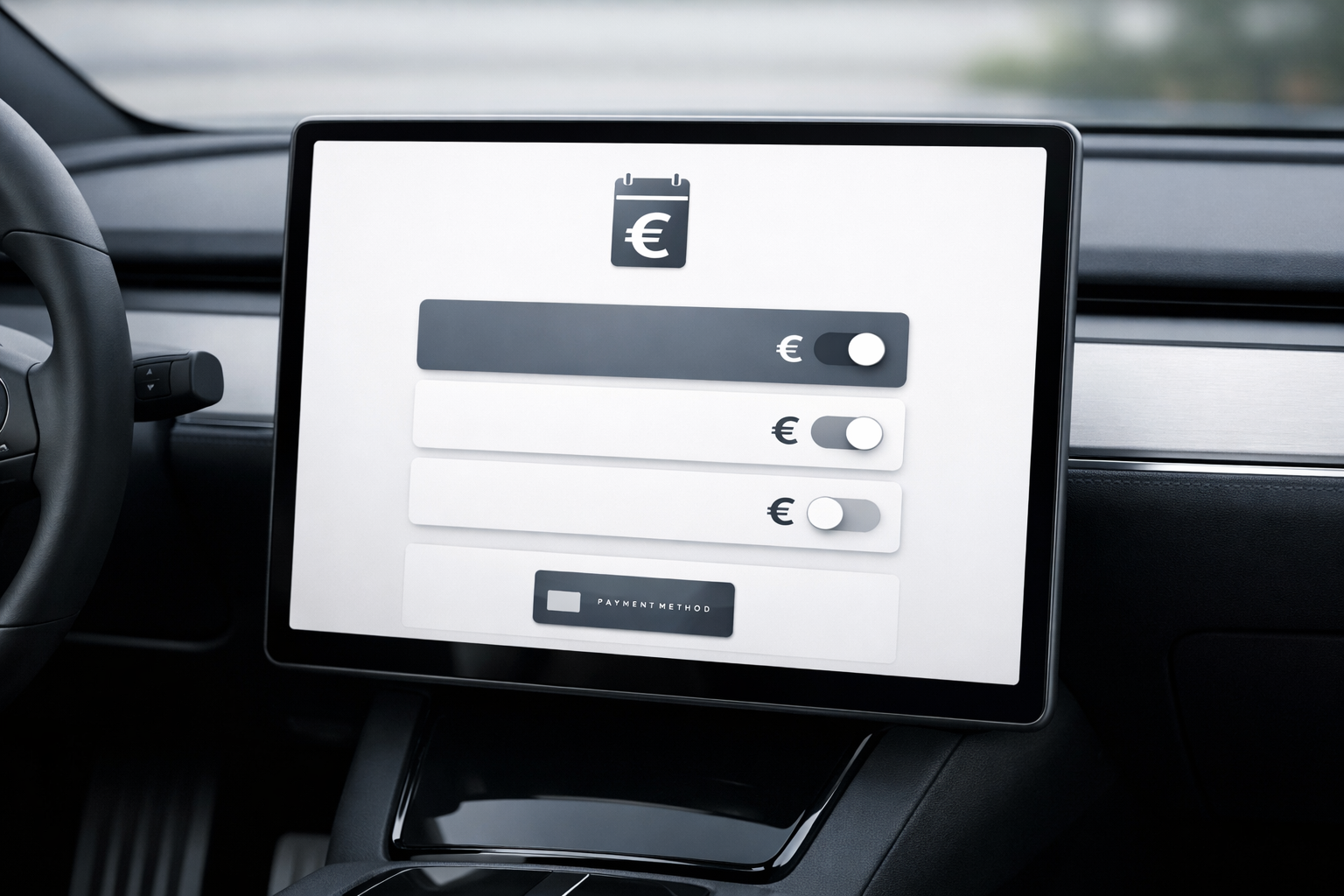
Tesla has already updated its Netherlands configurator with two options. The outright purchase of Tesla FSD remains available at €7,500. An interesting new addition: a monthly subscription at €99 with no commitment. Pay for one month to try it, or just for the holidays, then cancel. If your Tesla already includes Enhanced Autopilot, the price drops to €49 per month.
This flexibility closely mirrors what Tesla already offers in the United States, where the one-time purchase is gradually being replaced by a subscription model. A practical way for the automaker to smooth out revenue over time. The prices announced in the Netherlands will likely serve as a benchmark for France and other European markets to follow.
Hardware 3 or Hardware 4: How to Check Your Tesla FSD Compatibility
The Tesla FSD rollout in the Netherlands uses version 14.2.2.5, specific to the European market. On the hardware side, only Hardware 4 is compatible for now. Vehicles on Hardware 3 will wait for a version 14 Lite tailored to their capabilities.
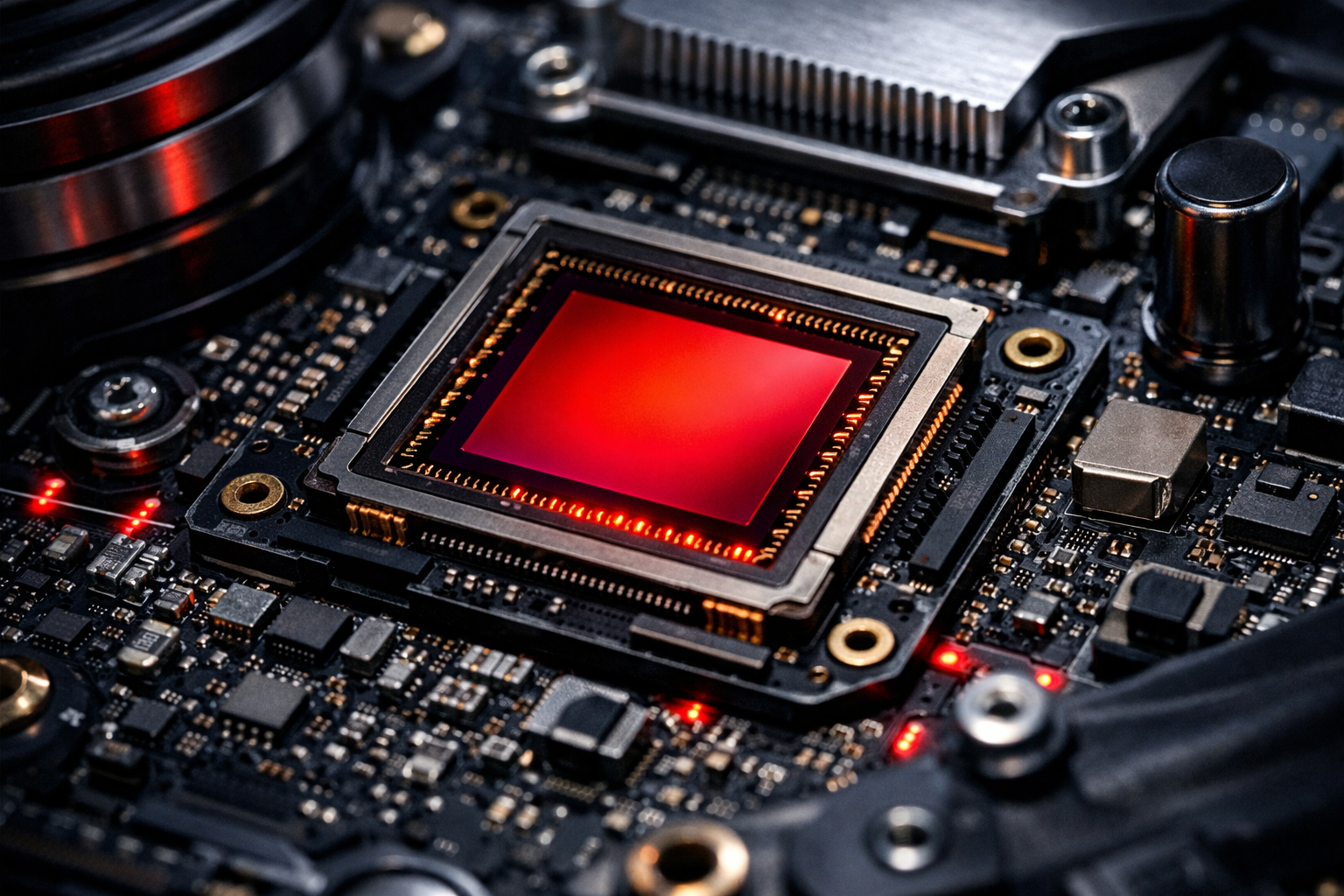
Two simple ways to check your setup: the car’s touchscreen, in the software section, displays FSD4 or FSD3 depending on your configuration. You can also look at the color of the cameras. Hardware 4 produces a distinctive red glare. For Model S and X, the switch happened in the first quarter of 2023. The Model 3 transitioned with the Highland generation in late 2023, and the European Model Y only in June 2024, well after the rest of the lineup.
Other Updates Surrounding Tesla FSD
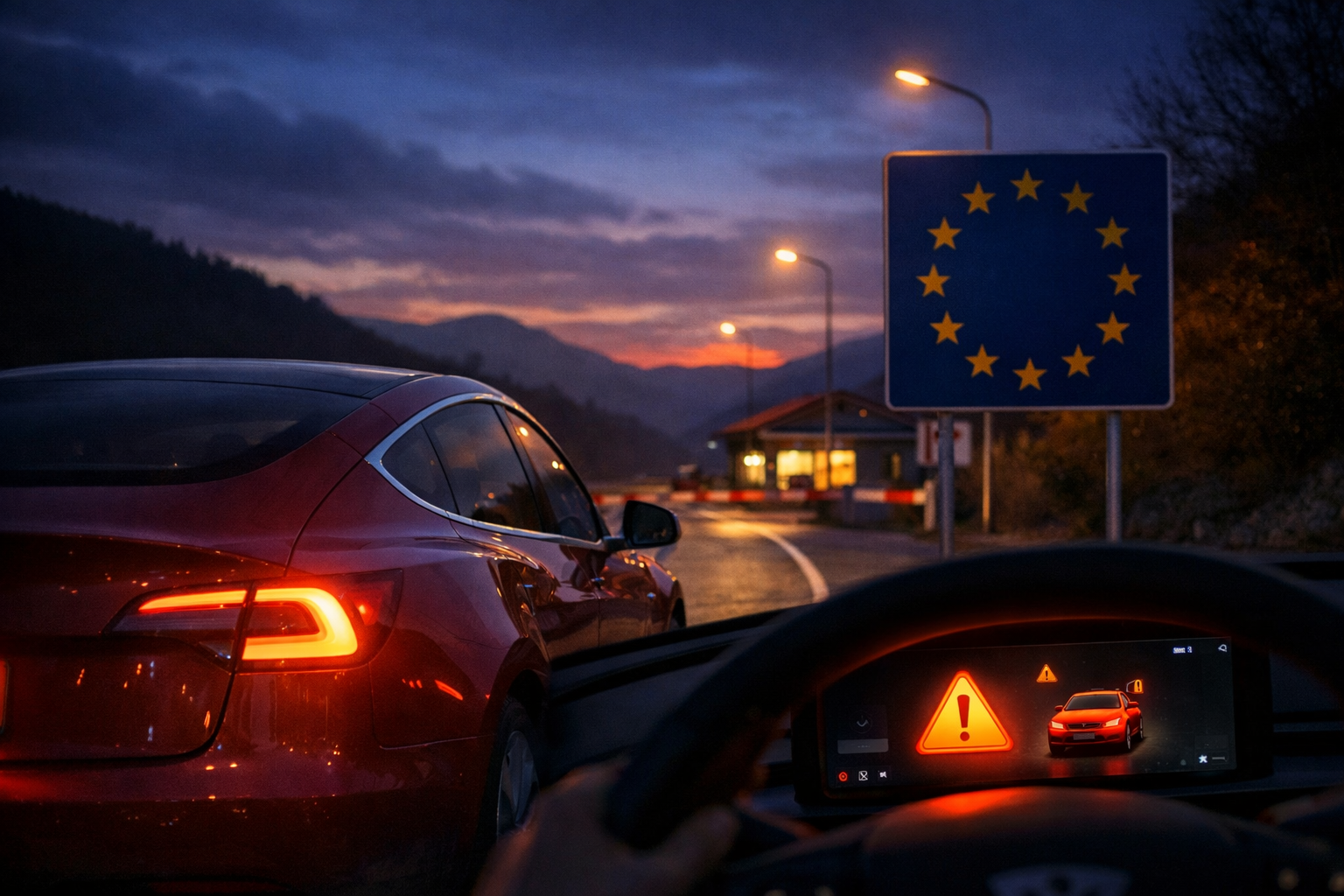
Tesla has added a notification pop-up on Tesla FSD-equipped vehicles when they cross a border. The idea: alert the driver that driving capabilities may change depending on local legislation. A useful reminder, and likely a proactive response to ambiguous situations on cross-border roads.
On a stricter note: Tesla sent a warning email to owners who had installed a bypass device. These gadgets trick the geographic restriction and activate Tesla FSD in countries where it is not yet approved. The automaker is making clear it monitors non-compliant use and will not tolerate this type of hack.
Beyond Tesla FSD, Tesla continues to stack tech announcements. Persistent rumors also point to an in-house smartphone that could shake things up: our piece on the Tesla Piphone — Elon Musk’s smartphone with free lifetime Starlink explores that angle. On the EV energy front, the battle is also playing out at the battery level: see for example Donut Lab and its solid-state battery that charges in 5 minutes, a technological leap that could transform mass adoption.
The Netherlands rollout marks a milestone, not a finish line. Truly 100% self-driving — the kind that lets you read, watch a film, or sleep while the car drives — remains the next great frontier. In the meantime, drivers in the Netherlands find themselves on the front row of a European mobility shift that is finally happening. And if you’re wondering where the Musk ecosystem is headed overall, take a look at Tesla’s 2026 strategy. The next few months will be decisive.







0 Commentaires
Aucun commentaire pour le moment. Soyez le premier à commenter !