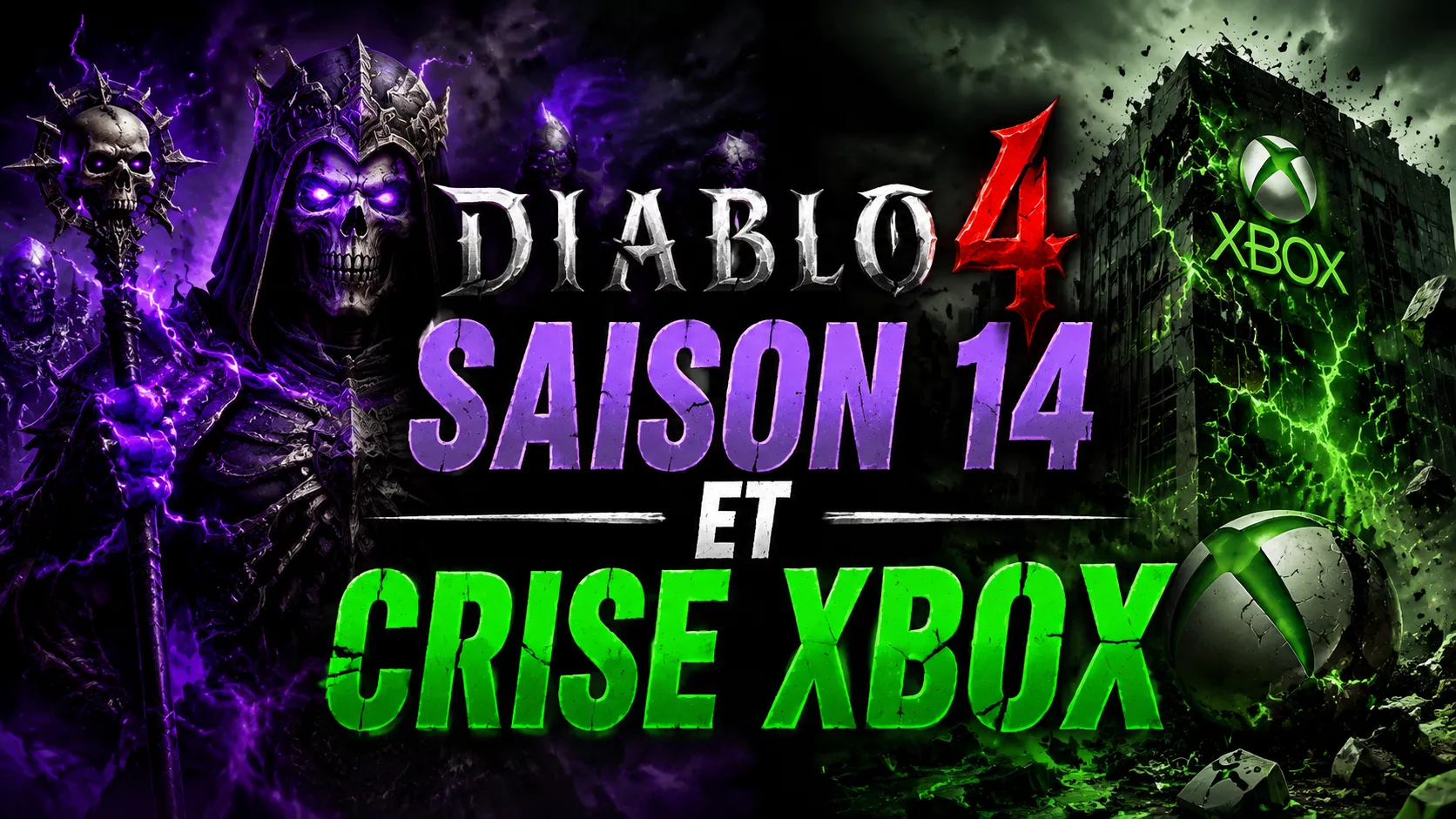
This week in gaming opens on several fronts at once. Blizzard is about to unveil the details of Diablo 4 Season 14 in a highly anticipated developer livestream, while Path of Exile 2 is going through one of the best stretches in its history since the launch of Return of the Ancients. Meanwhile, Microsoft continues to shake up the industry with statements that confirm what many feared: the Xbox division has never been profitable, and the bill is coming due at the end of the month.
Mass layoffs, studios under threat, executives stepping down: the Xbox side of this week’s news is grim. This roundup covers all of it, along with the other ARPGs that keep carving out their place in a genre more alive than ever.
Diablo 4 Season 14: Death Awakening Reveals Itself Soon
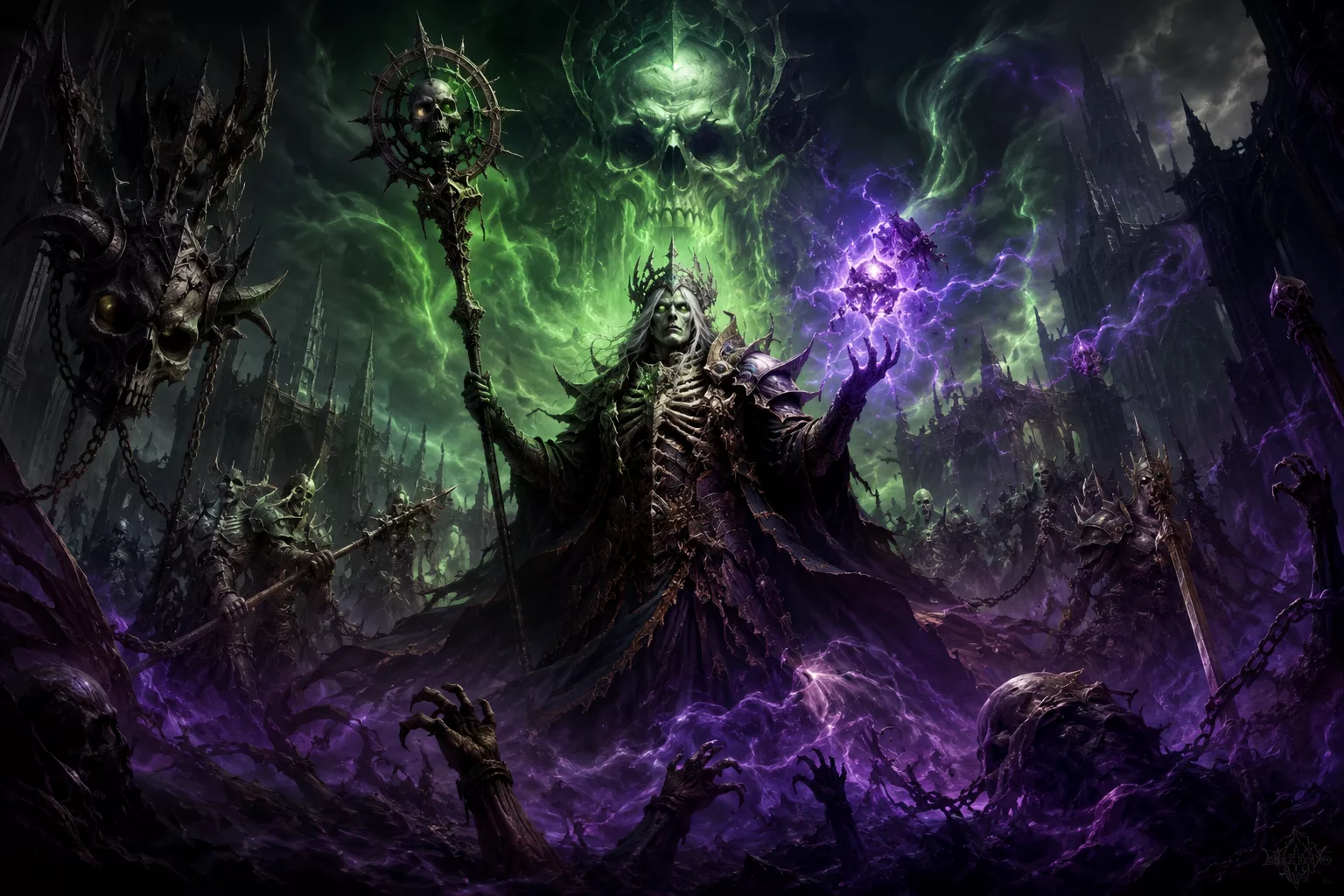
On Tuesday, June 23 at 8 PM Paris time, Blizzard is holding a developer livestream dedicated to Diablo 4 Season 14, dubbed the « Season of Death Awakening. » Anticipation has been running high since the PTR (public test realm) wrapped up. The stream is expected to settle which changes from player feedback were kept or dropped. On the agenda for Diablo 4 Season 14: a rework of mythic unique items, class balance updates, and the official launch of the Ladder with its leaderboards. Quality-of-life improvements will also be showcased, including group war plans, self-found solo mode, crafting upgrades, and raised currency caps. A Q&A session will close out the broadcast.
The mythic unique rework looks set to be the centerpiece of Diablo 4 Season 14. It’s a divisive change, but Blizzard appears to have made up its mind. On class balance, players are hoping to see underused skills get a boost, which would reinvigorate the desire to explore new builds. Fans of Diablo 4’s endgame are keeping a close eye on the leaderboard update, which has been absent for several seasons.
This week, the Warlock arrived in Diablo Immortal. It’s a first for the franchise: the same class landing in three Diablo games within a matter of months. Coordinating between the three development teams was no small feat. The associate art director of Diablo Immortal shared that the collaboration across the three games clearly has a future, without going into further detail.
On the crossover front, Dead by Daylight will be hosting a Diablo event this October, featuring a Lilith skin for The Artist character. An unexpected collaboration that adds to an already packed period for the franchise. Blizzard will be celebrating Diablo’s 30th anniversary ahead of BlizzCon in September, and the buzz around the franchise is clearly building.
Path of Exile 2: Possibly Its Best State Yet
Three weeks after the launch of Return of the Ancients, Path of Exile 2 is going through a stretch that many players had not experienced since the game launched. Retention is better than ever, and more players than ever are reaching endgame. Both newcomers and veterans are finding something for them, and build diversity remains strong.
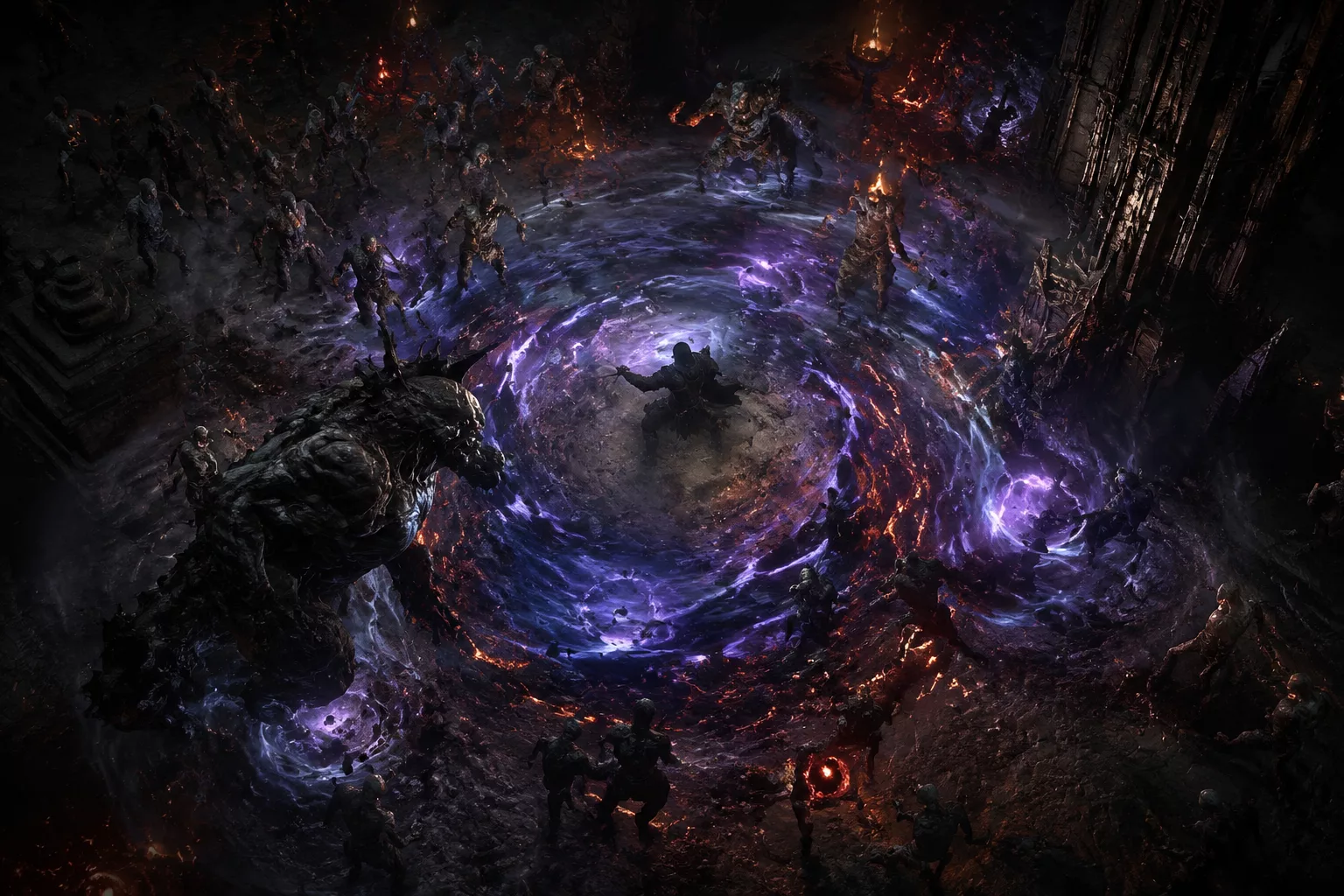
GGG made the right call by not adding a new class or swords in this update. Fixing the endgame was the real priority, and the results speak for themselves. Currency drops, with Divines leading the way, feel well-tuned. The bosses remain some of the best in the genre. The bet on polish over novelty has clearly paid off.
Patch 0.5.3 Rebalances Endgame Across the Board
Patch 0.5.3 landed this week with a clear goal: making sure no endgame mechanic gets left behind. Abyss rewards have been bumped up. Breach biomes are now significantly larger. Delirium received several fixes and plays better overall. Grand Expeditions are more rewarding while taking less time. Runecrafted armor penalizes your defenses less. The Temple gains a new Atlas passive capable of corrupting a rare or unique monster, creating memorable encounters. The upcoming patch 0.5.4 is expected next week and will bring further adjustments.
The main recurring complaint concerns game performance. An optimization hotfix was deployed, but the community is expecting more. A few gripes also persist around Wisps despite the previous patch. On these points, GGG responds quickly to player feedback, which reassures part of the playerbase.
On the league stats side, the most popular ascendancies are Martial Artist, Spirit Walker, and Deadeye. The most used skill is Twister, with an entire ecosystem of skills built around it. On the accessibility front, the game has made real strides with the arrival of the trading post and the integrated build planner. Many systems still force players to consult external guides, though. A player shouldn’t need to leave the game to understand how to play it, and that remains an open task for GGG.
Other ARPGs Worth Watching
The genre isn’t just about the two usual heavyweights. Titan Quest 2 keeps growing in early access, while several indie projects are pushing genuinely original directions. Here’s the overview.
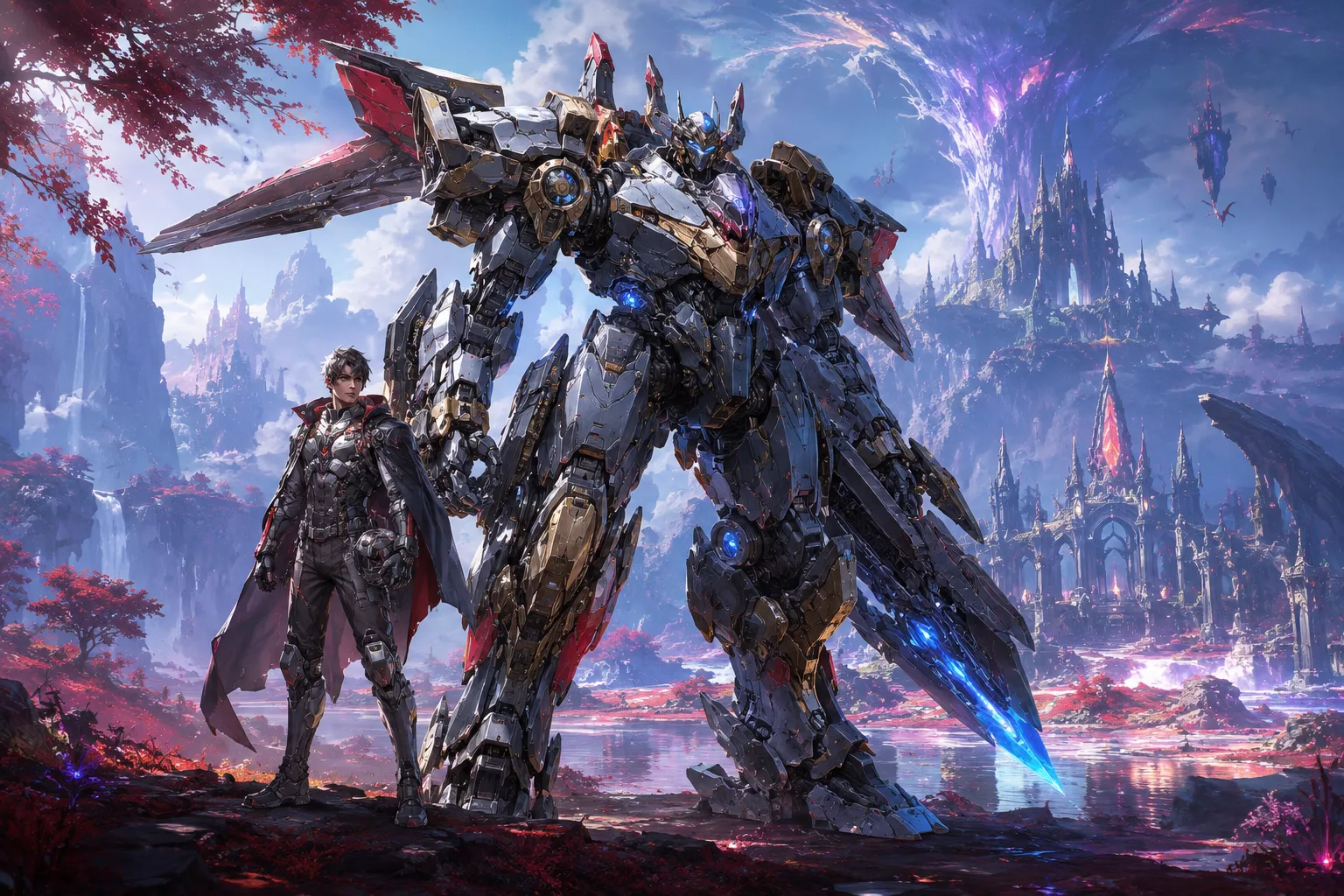
Titan Quest 2
Chapter 4, titled Wildlands, just landed and it’s the biggest update since early access launch. New biomes, new enemies, several never-before-seen bosses, and over thirty additional quests and events. The maximum level climbs to 55, and a fifth tier of passive skills makes its debut.
The roadmap still promises spirit mastery, crafting system improvements, and more content before version 1.0. A console release is also planned once early access wraps up. The team is actively seeking feedback to polish the game between now and then.
Frame of Suffering
It’s hard to overlook Frame of Suffering in this landscape. This solo project describes itself as a Diablo with mechs, and the concept holds up on paper. You pilot a mech, but you can step out at any time and fight on foot as the pilot.
In practice, that means two characters, two builds, two playstyles active at once. The pilot has classic ARPG-style equipment. The mech works differently — every body part is interchangeable, head, arms, torso, and all of these modifications are displayed visually on the machine in-game. A demo is expected by the end of the year, with a wishlist page already up on Steam. It’s a refreshing change from the usual dark fantasy.
The King’s Ward
The King’s Ward is a different kind of project. Developed by a group of friends in their spare time, the game has a playable demo available right now on Steam. The scope is broad for a hobby project: open world, hybrid classes, crafting, hidden secrets, and genuine attention paid to supporting characters.
The story leans into its lighter tone and makes no attempt to imitate the genre’s grimmer narratives. The art direction also stands out, with a colorful palette that breaks from the dark, gritty aesthetic that has become the ARPG standard. A Steam page worth bookmarking if you’re looking for something different.
Xbox on the Edge
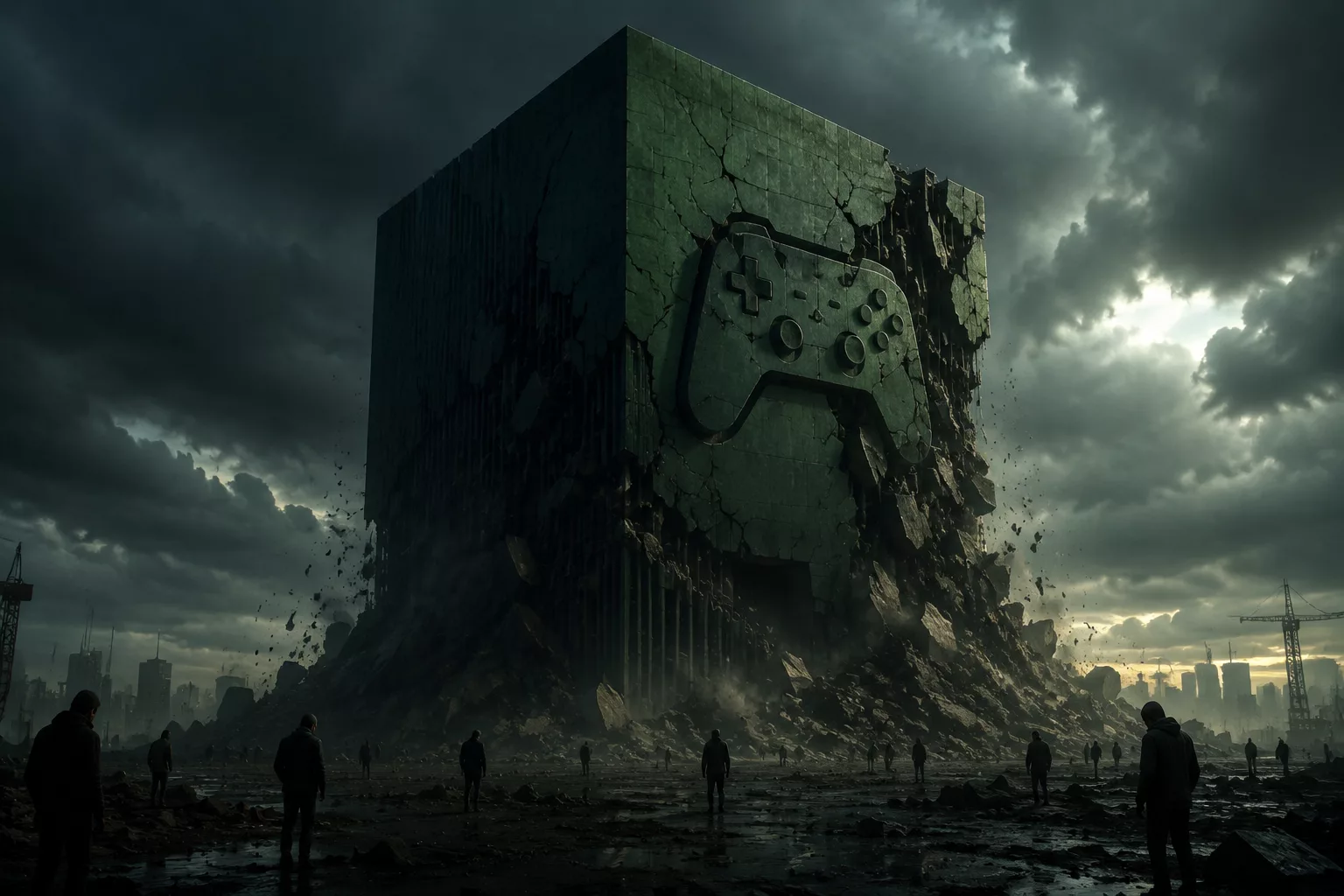
Microsoft Changes Its Tune
What Satya Nadella said on the Hard Fork podcast did not go unnoticed. Microsoft’s CEO acknowledged, without mincing words, that Xbox has never been profitable. For years, the company subsidized its gaming division. According to him, that math no longer works. The goal now is to build great games and hardware in an economically viable way, and Microsoft has failed to properly monetize this branch.
This reckoning comes in a specific context. The Activision Blizzard acquisition cost $69 billion. Yet the studio was only generating between $1.5 and $2 billion in annual profit. The return on investment could take several decades, in the best-case scenario. Reports are already floating ideas about the future of the Xbox division: turning it into an independent subsidiary, forming joint ventures with other players, or even selling it. Nothing is official, but these discussions are happening.
Phil Spencer, the longtime face of Xbox strategy, is no longer at the helm. His replacement, Asha Sharma, has made her priority crystal clear: accelerate the big franchises. Halo, Fallout, Elder Scrolls. A reminder: the last Fallout came out in 2018, and Skyrim is fifteen years old. Under Spencer, studios could take their time without worrying too much about sales figures. Under Sharma, they’ll have to make money. This shift looks set to be brutal for a lot of people. We already covered the Xbox crisis last week, but the news of the past few days gives the situation an entirely new scale.
Studios Under Threat
Jason Schreier has warned that Xbox in July will look radically different from Xbox in June. June 30 marks the end of the fiscal year, and mass layoffs are expected to follow shortly after. Several studios have been named as being under threat of closure.
Compulsion Games is among the names that keep coming up. The studio, founded in 2009, has released three games over sixteen years: Contrast in 2013, We Happy Few in 2018, and South of Midnight in 2025. The latter was praised by critics, but sales did not follow. Double Fine, Tim Schafer’s studio known for Psychonauts and Brütal Legend, is also said to be in a precarious position. Ninja Theory, the creator of Hellblade, has just announced a third installment titled Senua, planned for next year, and is reportedly actively seeking a buyer. These studios share a common thread: award-winning games, long development cycles, and commercial results that fall short of Microsoft’s expectations.
Other outfits could be hit as well. ZeniMax and Bethesda have been mentioned in the rumors. Undead Labs is still waiting on the launch of State of Decay 3, planned for next year, without having shipped a single game since 2018. The Coalition is set to launch Gears of War E-Day in October, with a budget estimated at over $400 million according to Insider Gaming. This game will need to sell extremely well to justify that kind of investment.
Obsidian released Avowed and The Outer Worlds 2 in 2025, two titles well-received by critics but below commercial expectations. Avowed 2 is in development. inXile is working on Clockwork Revolution for 2027. Arkane Lyon is working on a big-budget Marvel game, and the new leadership reportedly disapproves of the licensing costs. In 2024, Microsoft had already shut down Arkane Austin and Tango Gameworks, just one year after the critical success of Hi-Fi Rush. Tango was ultimately acquired by Krafton.
Some of the responsibility lies with Microsoft itself. For years, the company asked its studios to focus on big, ambitious projects without demanding immediate commercial results. That strategy produced interesting games, but rarely the kind of hits capable of sustaining teams of several hundred people. This context echoes the wave of layoffs at Epic Games, which shows just how much even the industry’s giants struggle to find a lasting financial equilibrium.
High-Profile Departures
Craig Duncan, who had been leading Xbox Game Studios for eighteen months, stepped down this week. His chief of staff, Louise O’Connor, left at the same time. Both had come from Rare. Duncan had spent fourteen years there, O’Connor twenty-five. Rare, founded in 1985 and acquired by Microsoft in 2002, had a glorious era with Donkey Kong Country, GoldenEye 007, and Killer Instinct. In recent years, the studio has kept a low profile. Sea of Thieves in 2018 remains its last true success. The Everwild project, in development since 2014, was ultimately cancelled in 2025. Mark Gordon, head of Treyarch for twenty-two years, is retiring.
What This Means for Players
Jobs will be lost. Studios may close. Franchises could sit dormant for years, Microsoft having a well-documented habit of sitting on IP without using it. That’s a hard reality for those who have followed these projects.
But studios and franchises don’t make great games. Teams do. Individuals do. Talent does. And that talent doesn’t disappear when a studio closes. It moves on, builds new things, imagines new franchises. That’s how the industry has always worked, through the good cycles and the bad ones.






0 Commentaires
Aucun commentaire pour le moment. Soyez le premier à commenter !