
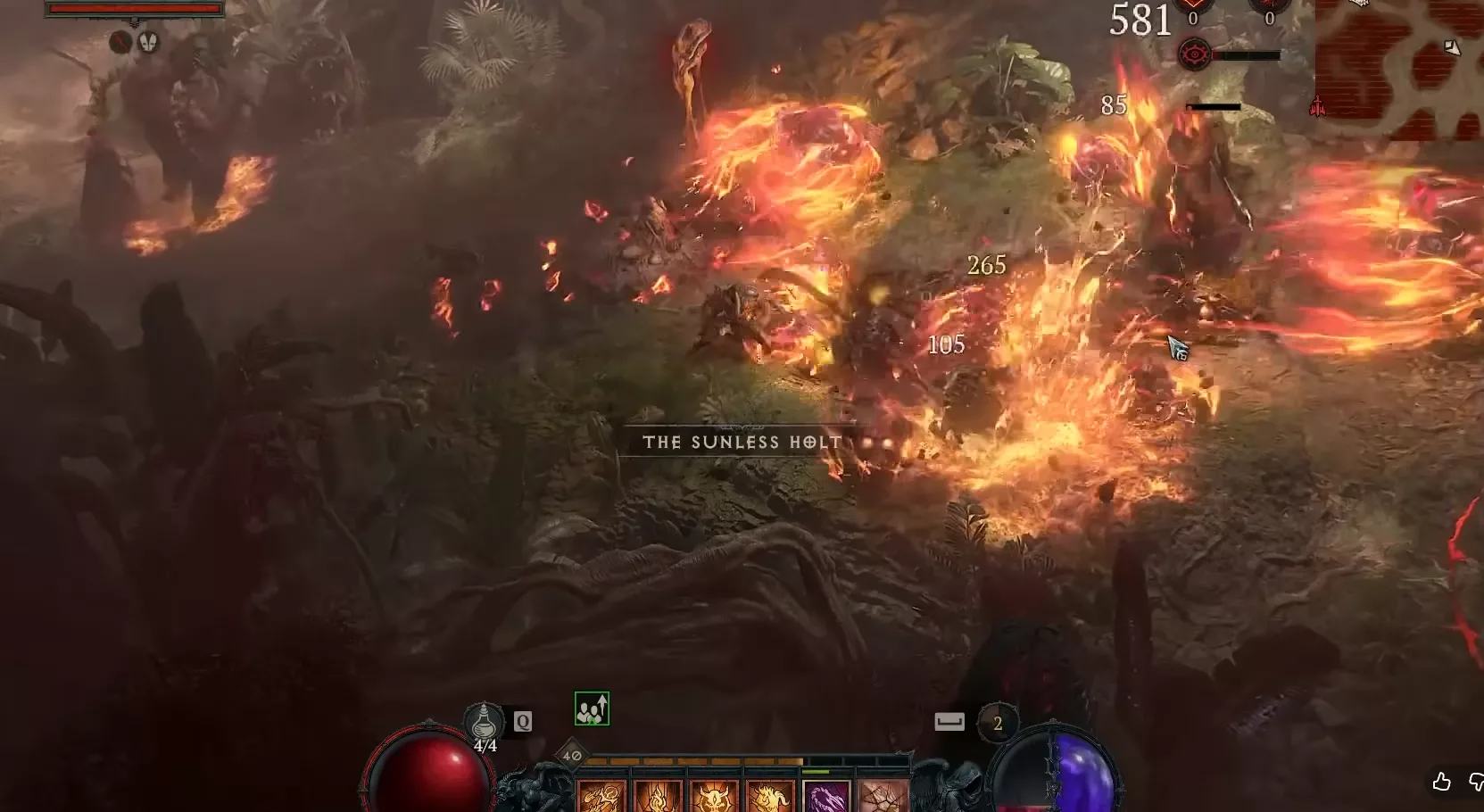
Since Diablo 4 launched, the community has been gently mocking its skill system. The Diablo 4 skill tree? Players called it the skill twig. Rizarjay got access to Blizzard HQ to test the new Warlock class from Lord of Hatred, and he invited wudijo to break down the changes with him. The verdict is clear: if every class gets the same level of overhaul as the Warlock, Diablo 4 is going to be a completely different game.
What stands out from this press access is that Blizzard isn't patching what exists. They're starting from a different philosophy — clearly defining the role of each system in the progression loop.
Blizzard removes passives: separation of responsibilities
The most surprising change at first glance is the removal of most passive bonuses from the skill tree. These bonuses have always been at the core of the D4 system, so why cut them? Blizzard's answer is simple: when everything does a little of everything, nothing does anything coherently. The skill tree, items, Paragon — all of it contributed to raw power AND customization simultaneously. The result was an unreadable progression where each gear upgrade felt less impactful.
With Lord of Hatred, each system gets a precise role. Items and Paragon handle raw power scaling. The Diablo 4 skill tree focuses on how your skills actually function — not how much damage you deal, but how you play.
This rebalancing of responsibilities also gives developers more freedom to design truly impactful nodes without risking a global power balance break.
Diablo 4 skill tree: 12 points, multiple branches, and level-gated unlocks
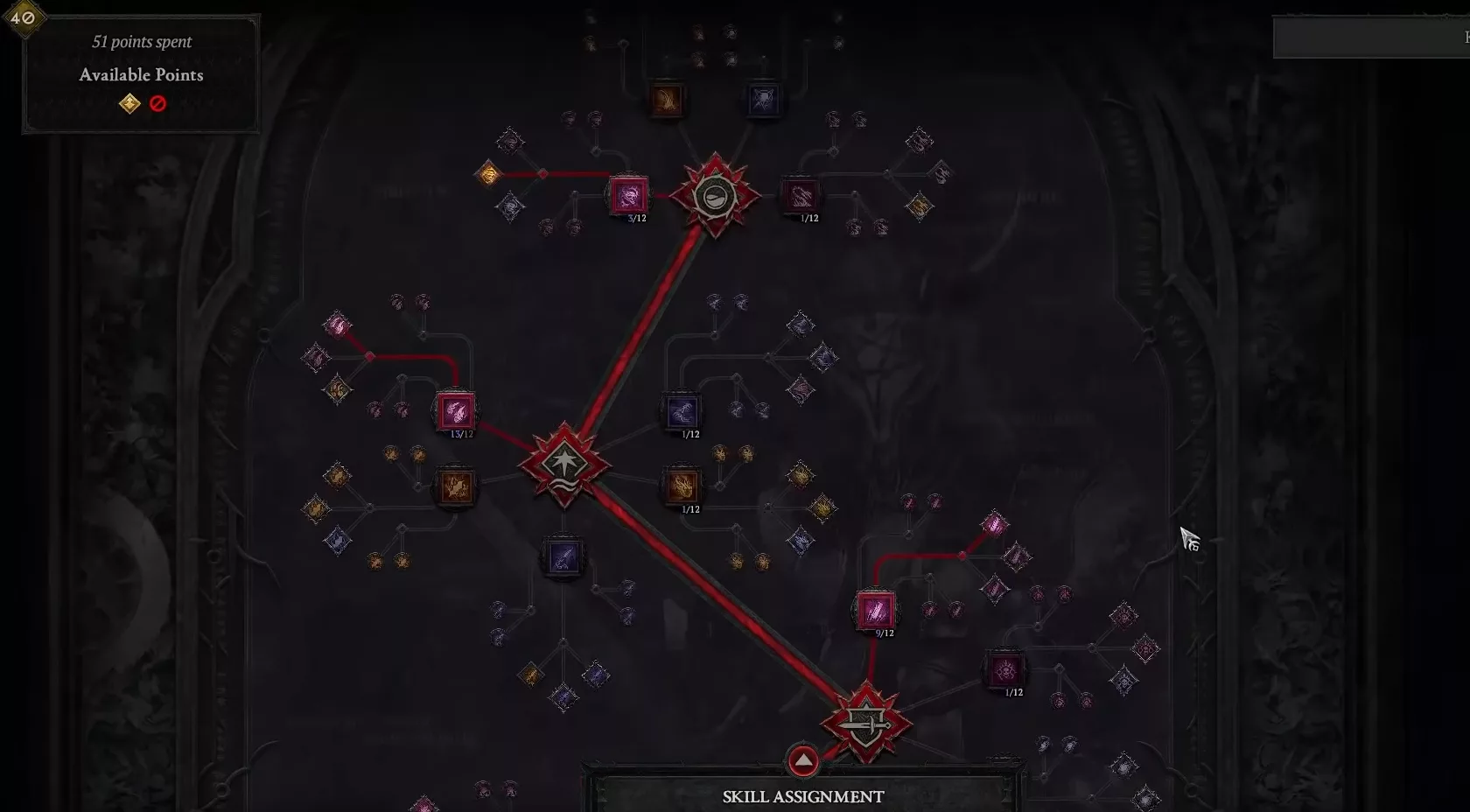
In practice, the tree structure changes drastically. Before, each skill could hold up to 5 points — mostly to boost its base damage. Then you'd unlock an enhanced version, and finally choose between two upgrades with minor tweaks. That was the skill twig.
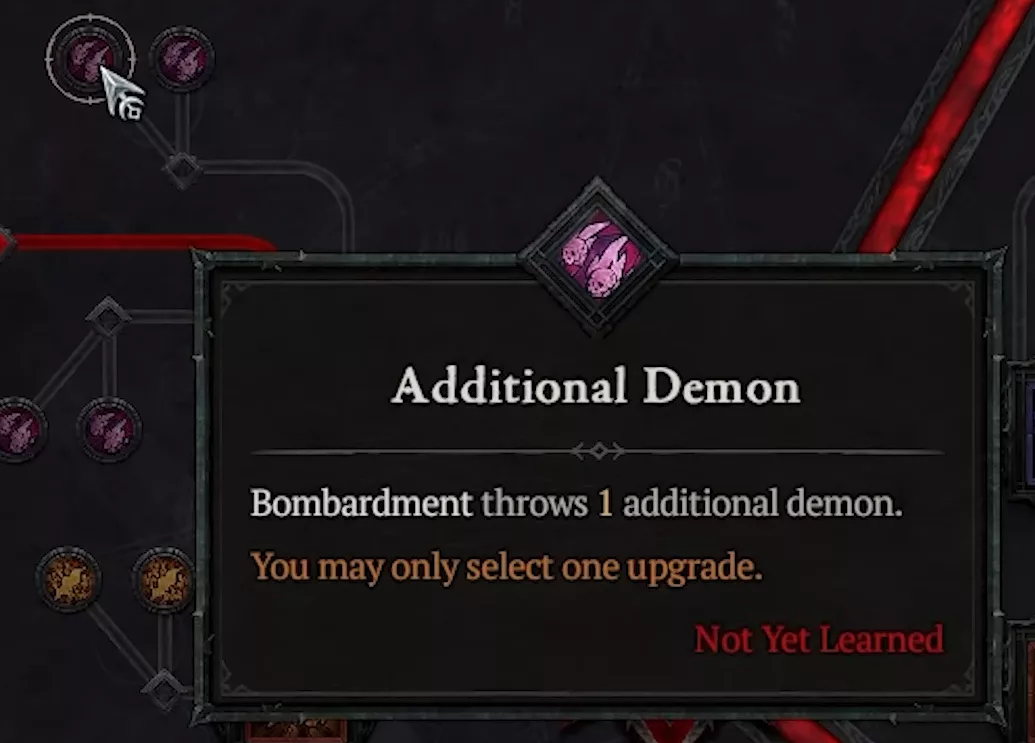
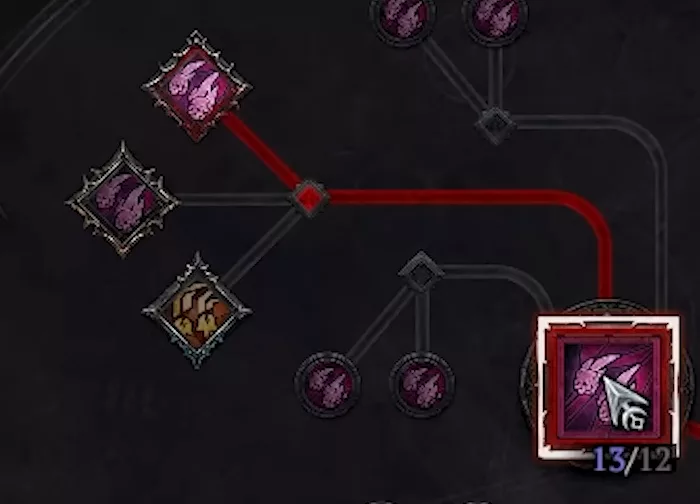
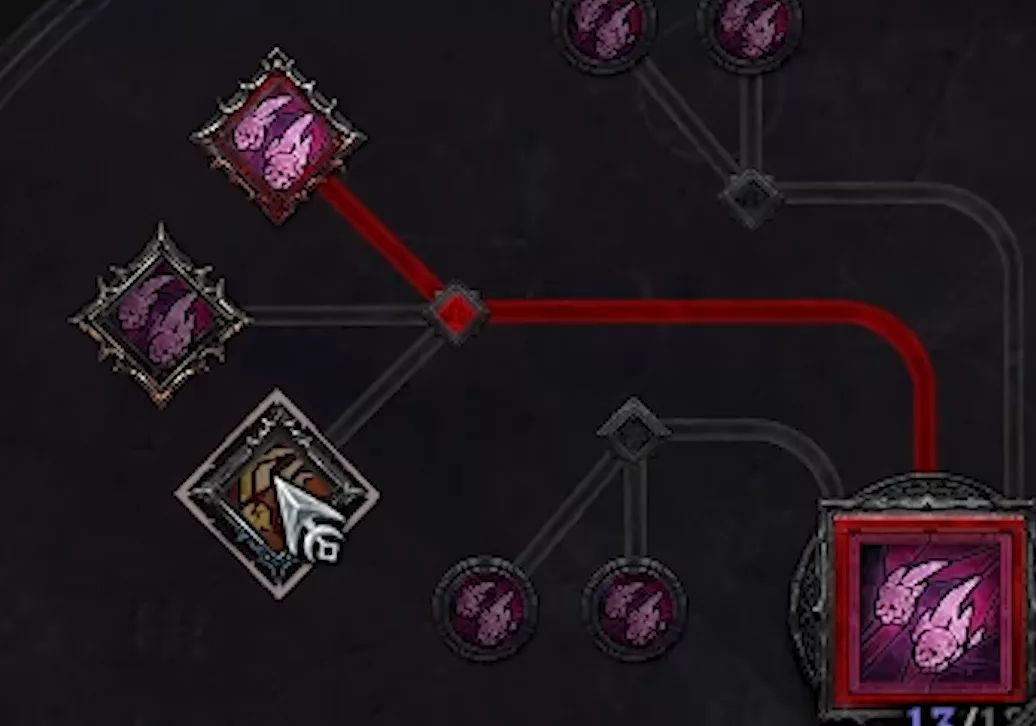
The new system pushes this much further. Each skill can now receive up to 12 points. More importantly, instead of a linear path, the tree branches in multiple directions: two side paths for minor tweaks (one choice per side), and a third main branch with several major upgrades — only one selectable. That's where the deepest changes live.
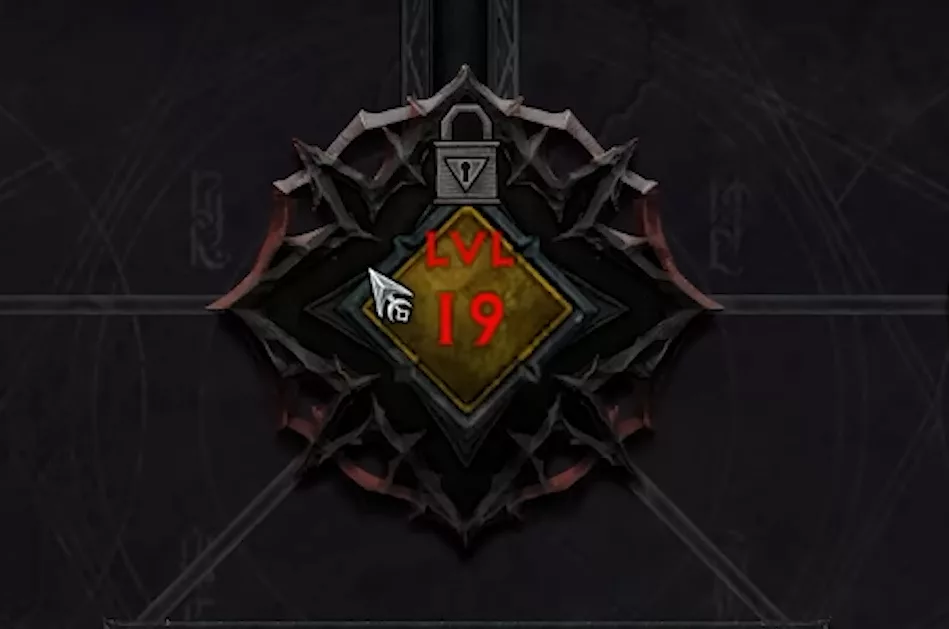
The other major change is how progression works. Gone are the mandatory point thresholds to advance through the tree. With Lord of Hatred, nodes unlock based on your character level. If you have the points and meet the level requirement, you invest directly — even if that means skipping a basic skill you don't use. The tree will keep evolving from level 1 all the way to level 70.
Rampage: when an upgrade changes a skill's tags
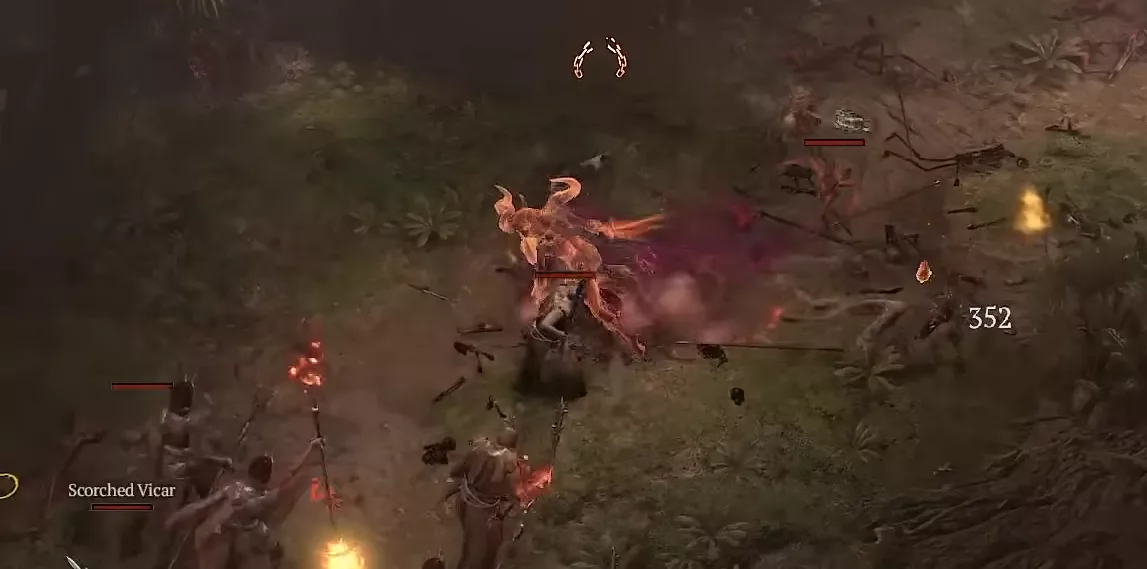
The most striking example of this rework is the Rampage skill of the Warlock. By default, Rampage summons a massive demon that stays in place and strikes enemies in front of it. Its tags: arc fiend, demonology, summon, great demon. A classic summoning spell.
But one of the major upgrades, Demonic Smash, completely transforms the spell. Instead of summoning a demon, your character transforms into one and leaps forward with a devastating attack. And with that, the tags change too: Rampage is no longer a summoning spell. It becomes a hellfire mobility skill — meaning it now interacts with entirely different parts of the Warlock's kit.
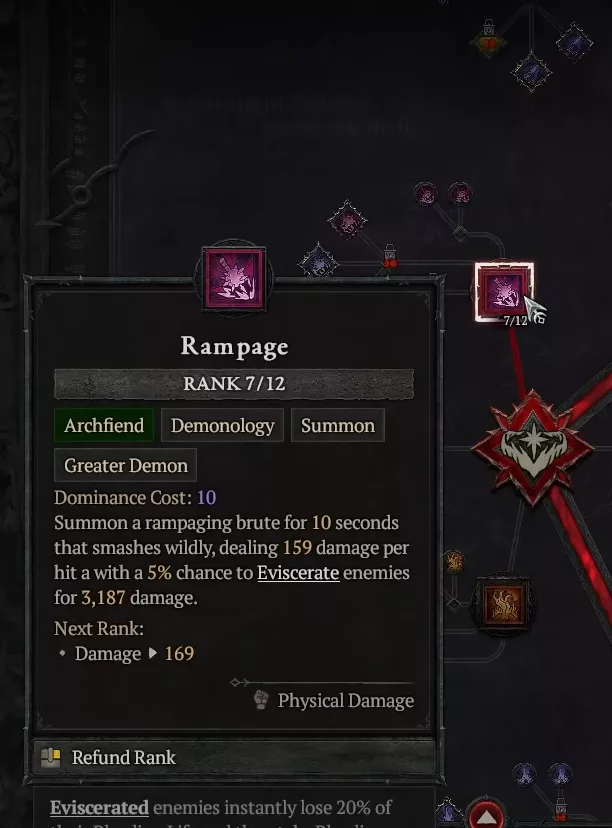
Both variants coexist in the tree, offering radically different build directions from the same base spell.
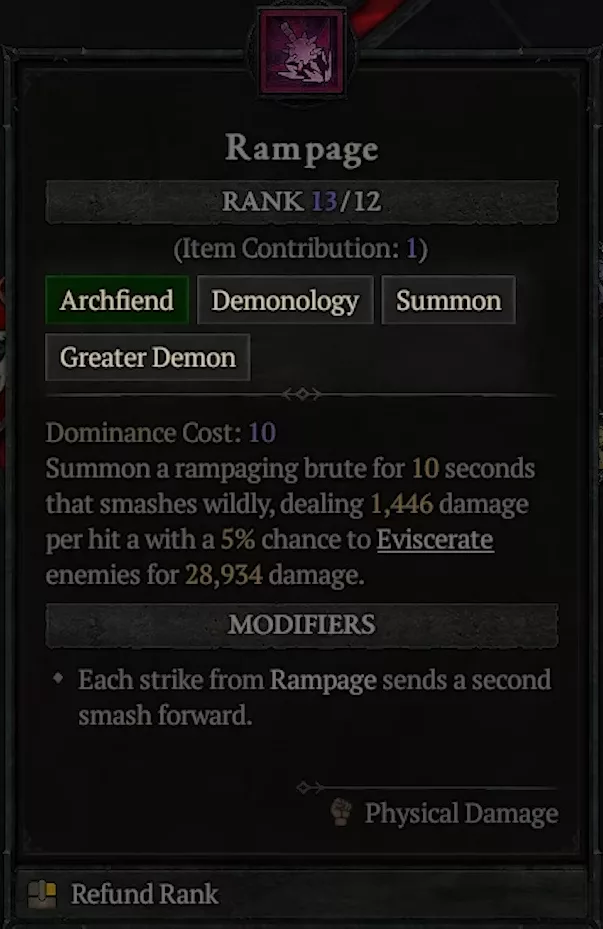
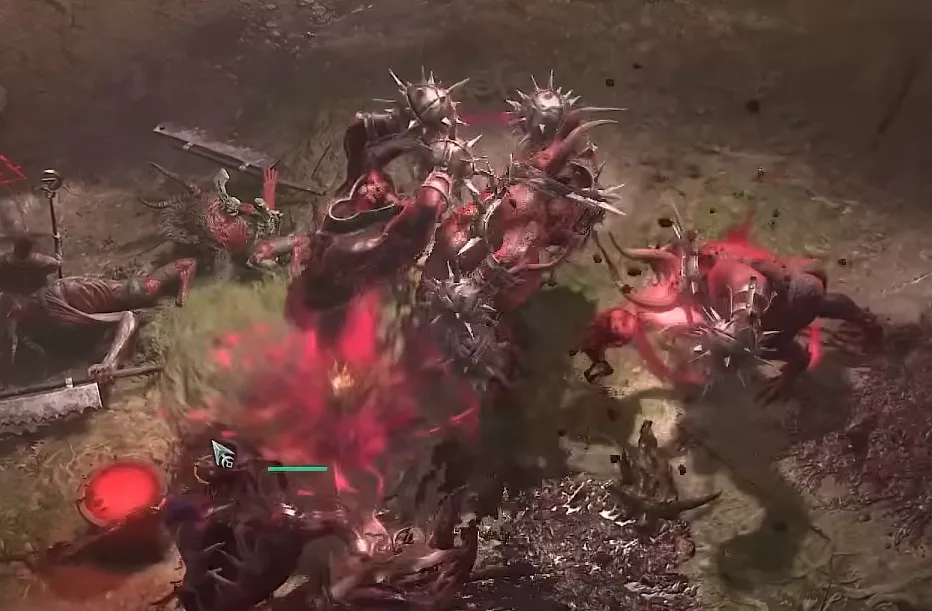
This is where the system's depth really lives. A node doesn't just change a skill's animation or damage. It redefines which other game systems it can interact with.
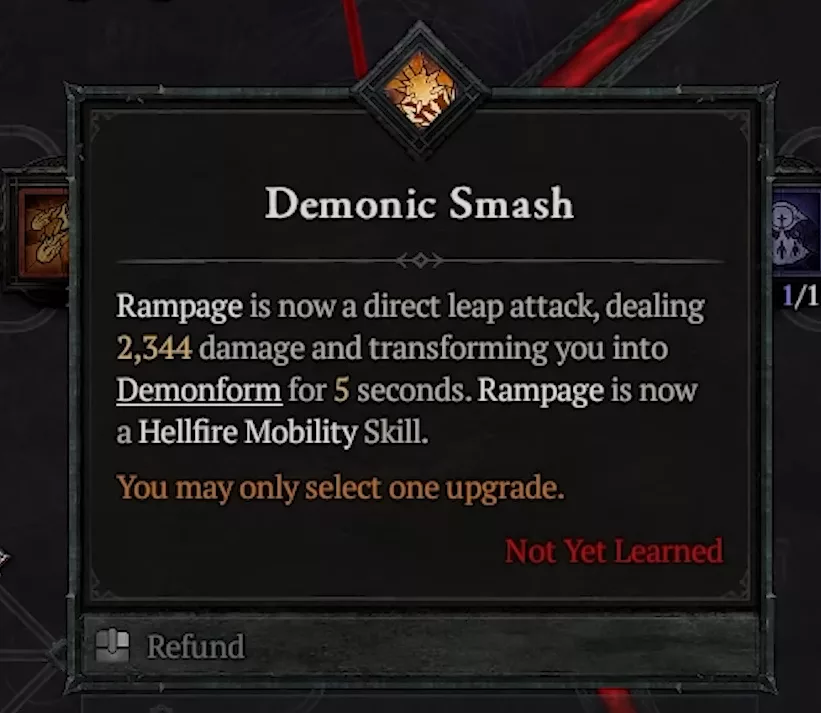
The Sorceress's Hydra: from standard Hydra to Frigid Hydra
Blizzard showcased the same logic with the Sorceress's Hydra. In the current version of the game, Hydra upgrades are limited: more fire damage, better crit rate. The creature stays fundamentally the same in every case.
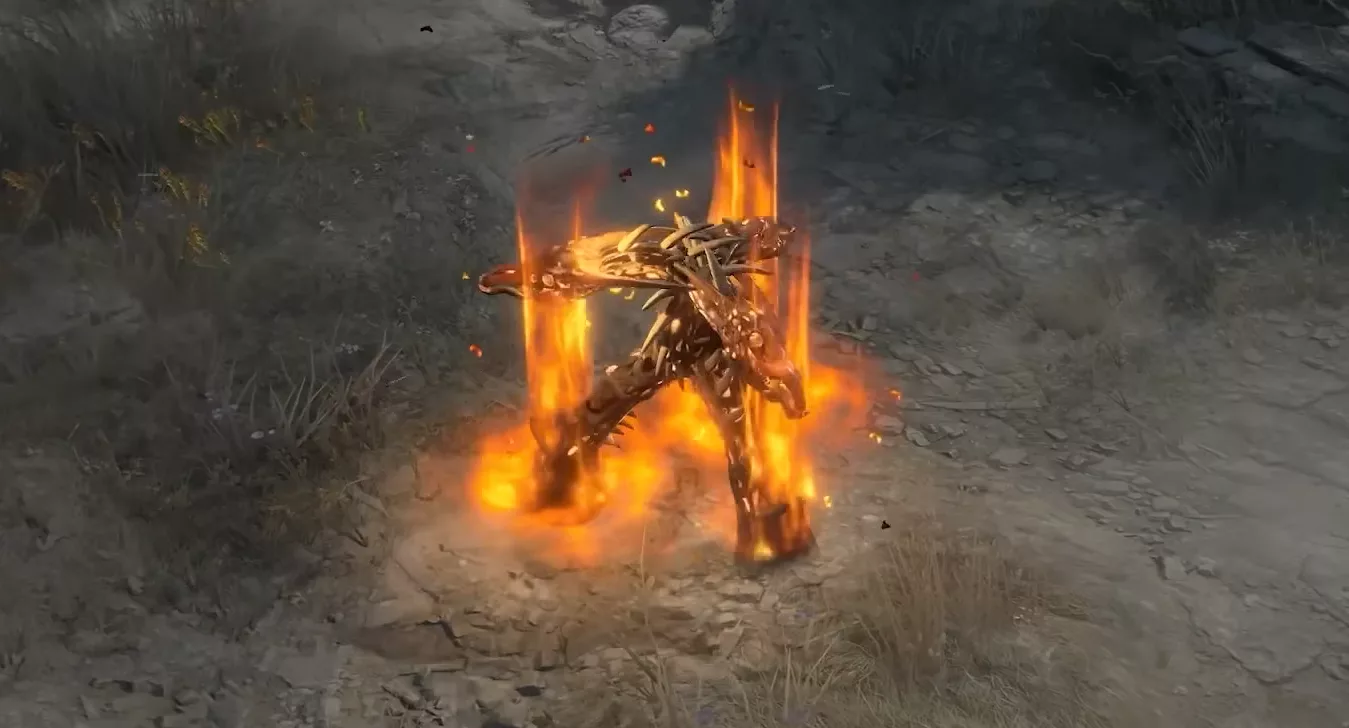
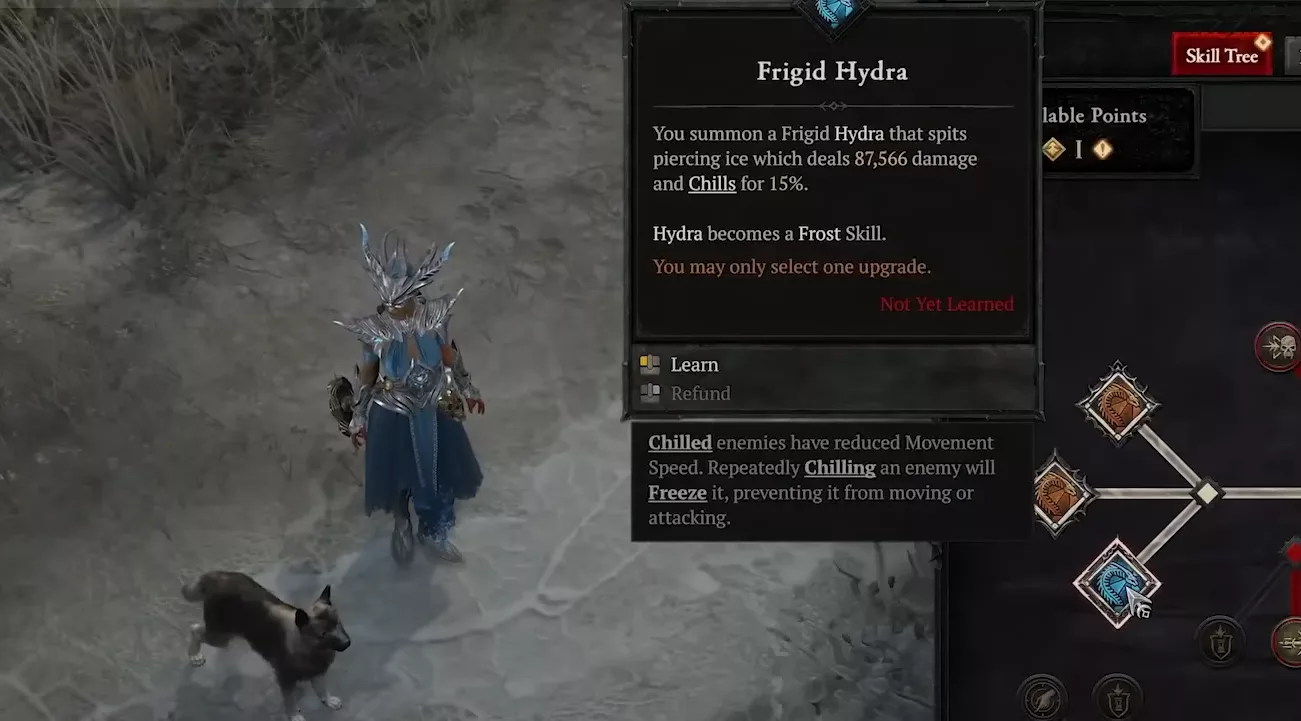
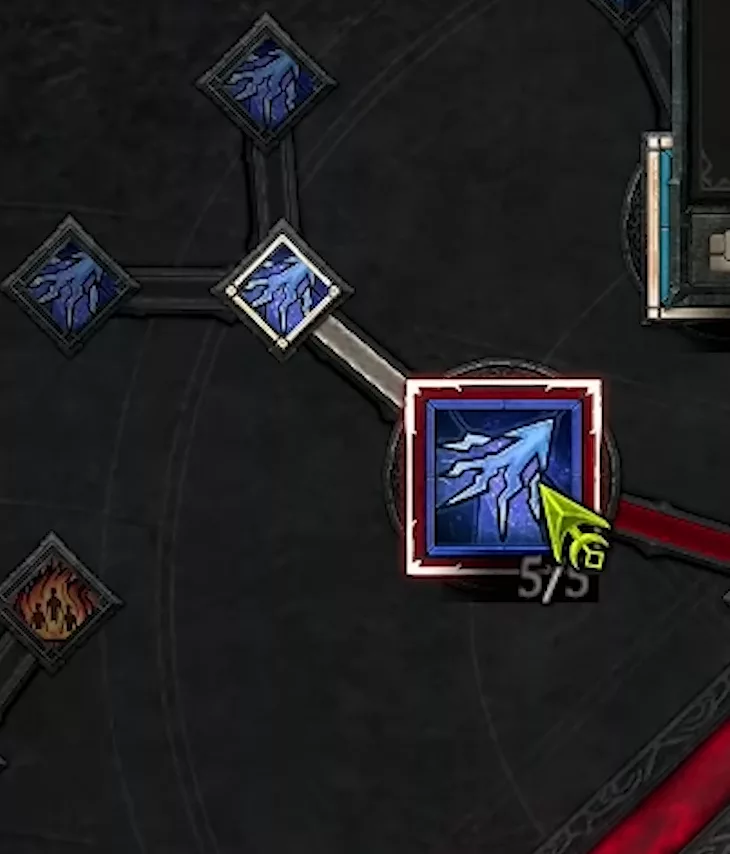
With the new Diablo 4 skill tree, the Hydra becomes truly customizable. Some upgrades improve the summon itself: faster attacks, extended duration. Others add explosions or a burning aura around it. But the real paradigm shift is the third major branch: the Frigid Hydra.
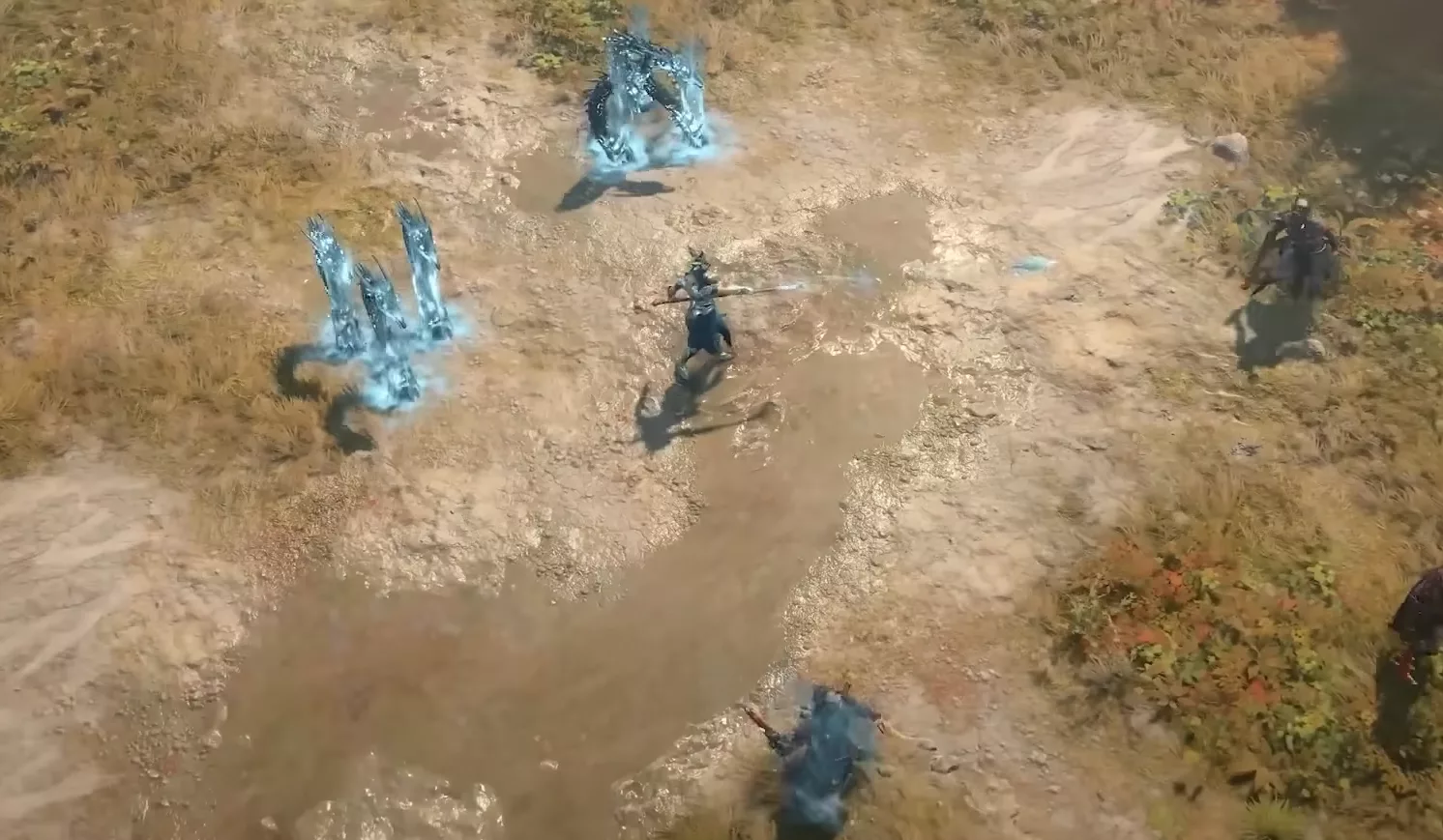
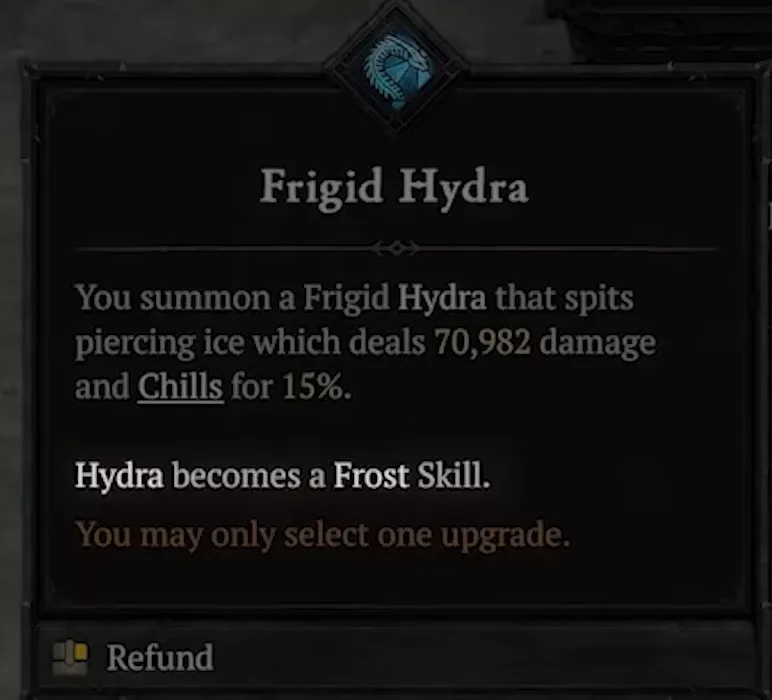
The Hydra heads now spit ice projectiles that pierce through enemies and slow them. And just like Rampage on the Warlock, the skill changes type: it becomes a cold spell, letting it interact with the Sorceress's freeze mechanics and cold bonuses. The potential builds multiply as a result.
A redesigned ecosystem: talismans, Horadric Cube, and loot filters
The reworked skill tree doesn't stand alone. It's part of a broader overhaul of Lord of Hatred's entire progression ecosystem. Talismans and charms add a new layer of customization at the gear level, directly complementing what the tree now offers on the skill behavior side.
These talismans form genuine set systems with their own synergies. Where the tree defines how your spell works, talismans amplify specific build directions. The two systems complement each other without stepping on each other's toes.
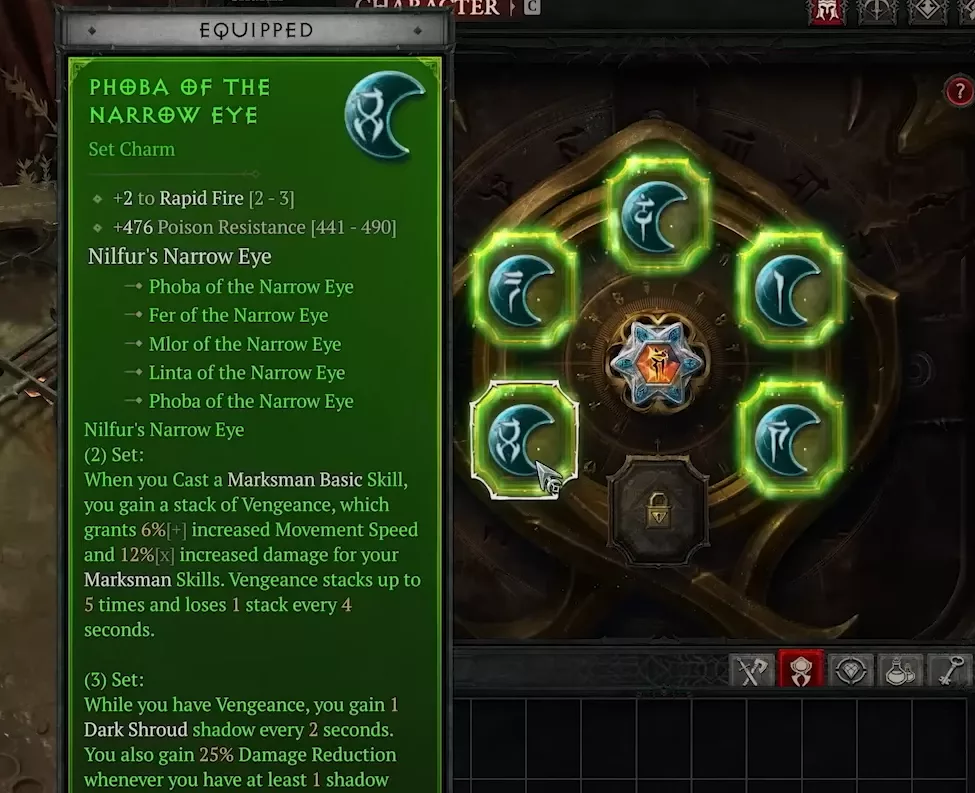
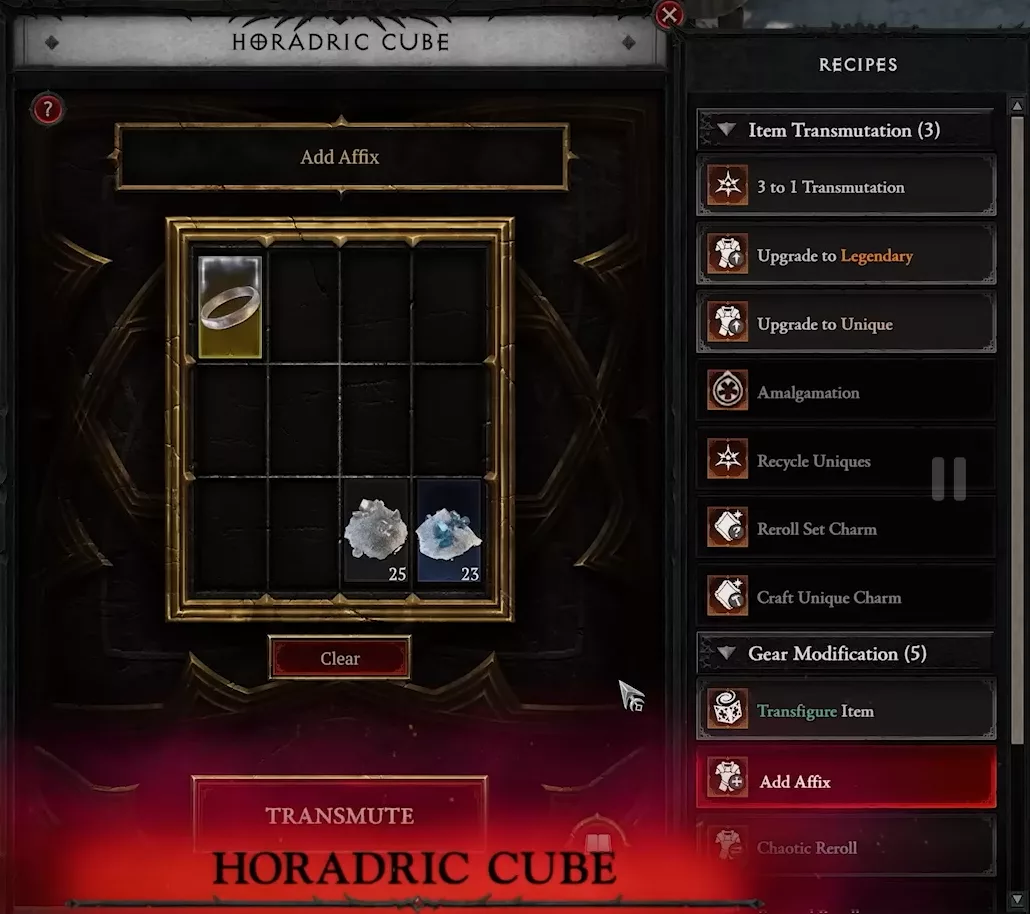
The Horadric Cube makes its return with a fully reworked crafting system. Crafting finally takes a concrete role in build construction, with mechanics that complement — rather than replace — what the tree defines.
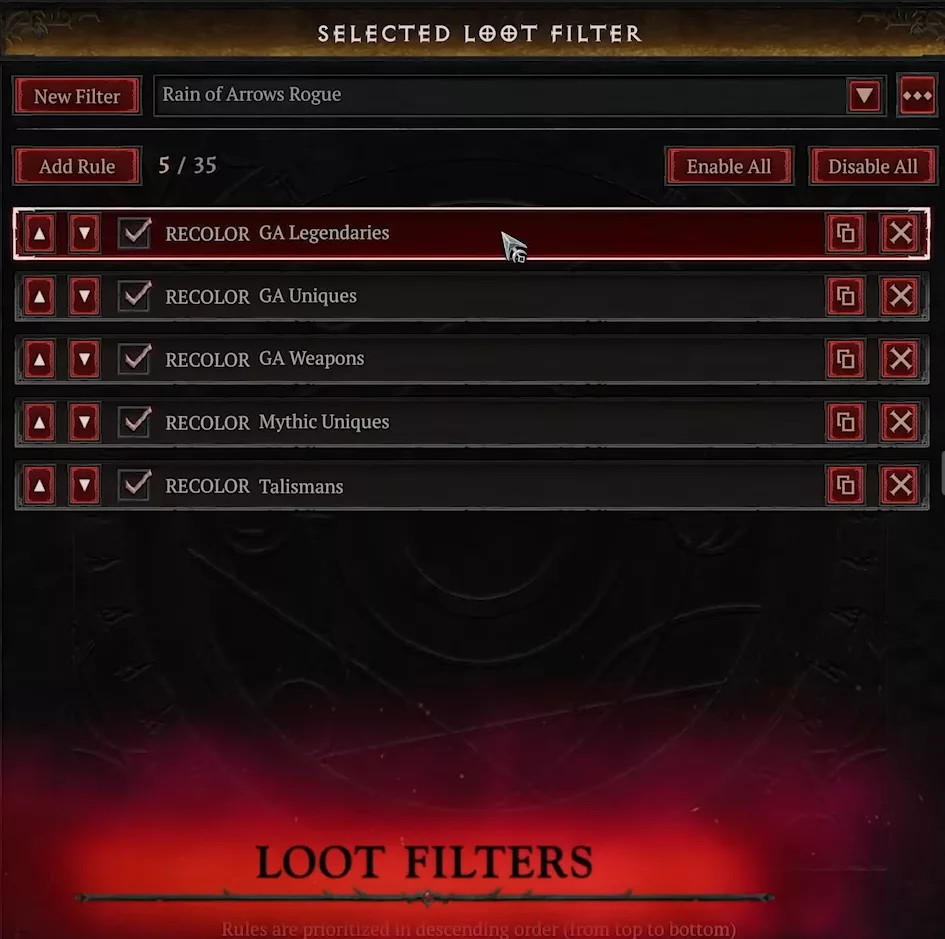
Finally, loot filters arrive to cut through the visual noise in endgame. A long-awaited feature that lets you focus on drops that actually matter for your build — no more sifting through piles of useless items after every fight. Together, these form a coherent ecosystem where each system has a defined role, and where skill tree choices finally carry real weight.
If the Warlock's level of customization is representative of what awaits the other classes, the skill tree overhaul could fundamentally transform how you build a character in Diablo 4.









0 Commentaires
Aucun commentaire pour le moment. Soyez le premier à commenter !