
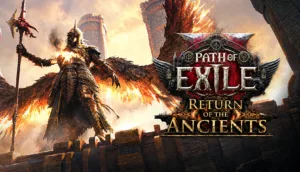
Return of the Ancients: the biggest update ever made to PoE 2
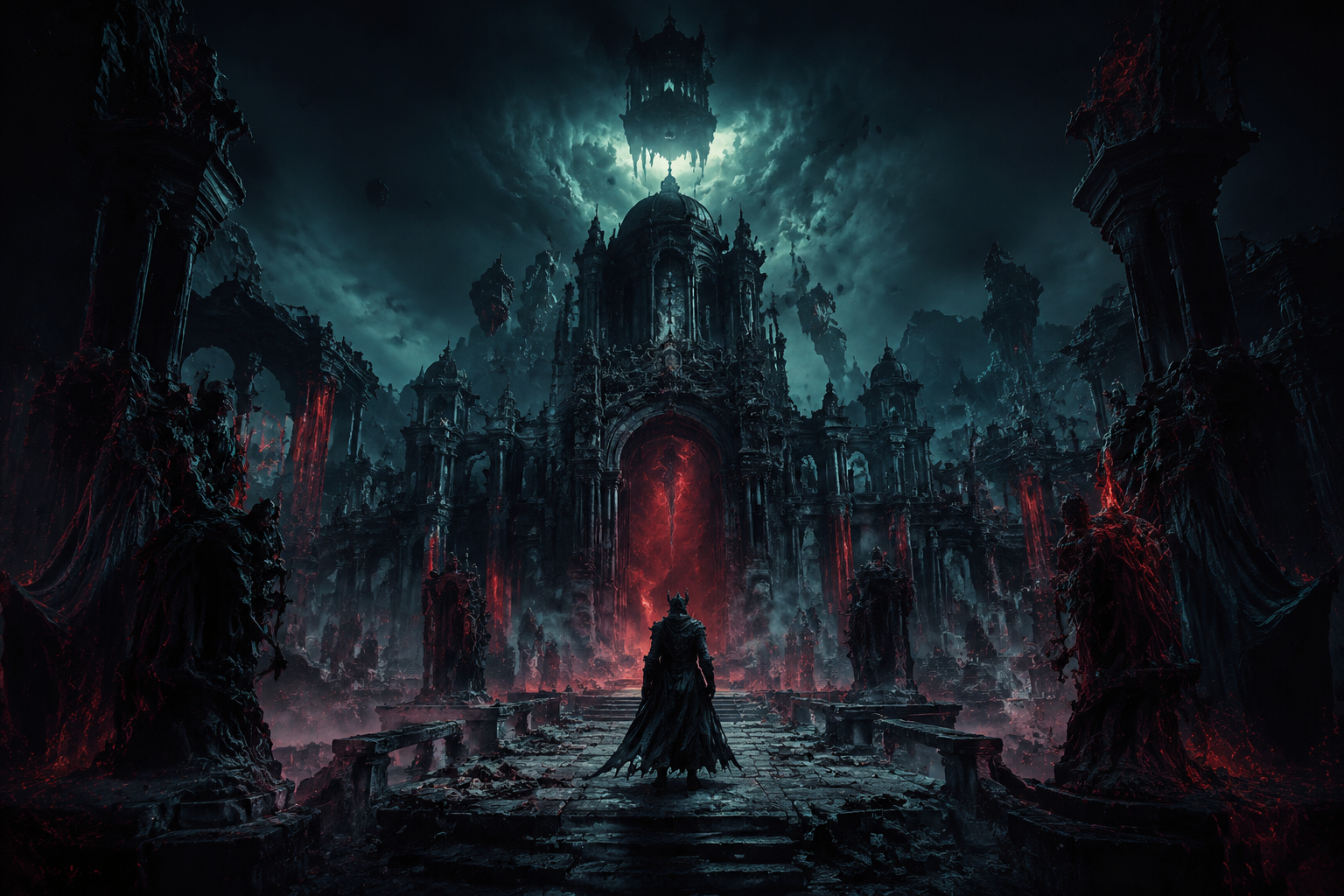
Patch 0.5 for Path of Exile 2 is probably the most important update the game has received since its early access launch. Grinding Gear Games had been building anticipation for weeks: a massive endgame overhaul was in the works. The result is Return of the Ancients, and it surpasses in scope everything delivered during this beta.
In this video, Kami summarizes the entire GGG livestream from May 7, 2026, which ran for over an hour. A livestream that contained a major announcement: Return of the Ancients is the last major patch before version 1.0, scheduled for later this year after ExileCon. If you want to see the patch 0.5 preview published in late April, the corresponding article on kami-labs.fr had already set the stage before the reveal.
At its core, Grinding Gear Games wanted to fix what was slowing down new players without betraying the depth that defines the ARPG’s identity. The game becomes more readable from the start: early game combat is noticeably faster, progression smoother. A toggle to skip item identification removes one of the most time-consuming friction points of the first few hours. An auto-loot system for currencies and gems is also being introduced.
The stated goal is clear: make Path of Exile 2 less punishing for newcomers while preserving the complexity veterans love. This accessibility rework comes alongside a long-awaited feature: direct build import straight into the game.
Season 4 builds available on kami-labs.fr remain largely viable in season 5. Only a handful of particularly dominant compositions are likely to face nerfs. For the full text recap of the livestream, the written article covers every announcement point by point with precise timestamps so you can jump straight to the topics that interest you in the video.
Runic Ward, elemental conversion and jewel sockets: crafting and gear reworked
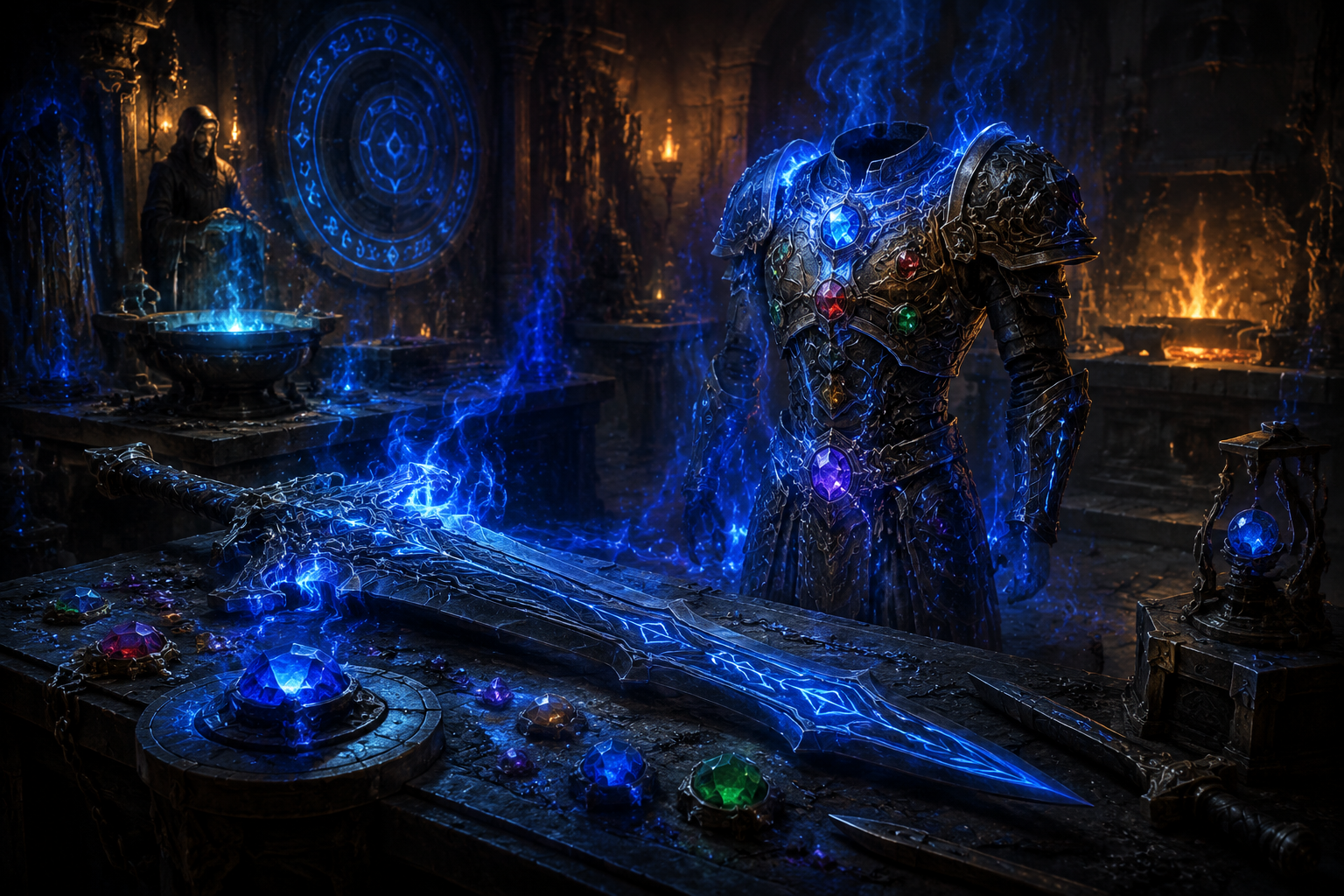
Patch 0.5 introduces Runes of Elder as the seasonal mechanic. The concept: ancient runes scattered throughout the world, to collect, combine and engrave onto gear to create unique modifiers. It is a deep crafting system designed to offer unprecedented synergies and genuine build personalization.
The most notable defensive addition in this update is Runic Ward. It is a third layer of protection that absorbs damage before the life pool. Until now, you had life and energy shield. Runic Ward slots in as an additional buffer. Numbers will be tuned to avoid trivializing content, but it opens new survival options for builds that previously lacked solid defensive alternatives.
Elemental conversion has also been reworked. Conversion mods on items now use flat percentages, making them more predictable to combine. In the video, Kami explains how this change makes crafting less random and more deterministic for endgame players, without removing the gambling aspect that is core to the genre.
One final major point: jewel sockets are coming to certain weapons and armor pieces. One or two sockets on select gear pieces, to fill with passive jewels found in-game. The cluster jewels system from PoE 1 is also being adapted for PoE 2. The result: an additional customization vector that makes the overall crafting experience significantly richer, while preserving the uncertainty of random rolls.
Massive endgame overhaul: Atlas, Expedition and Masters of the Atlas
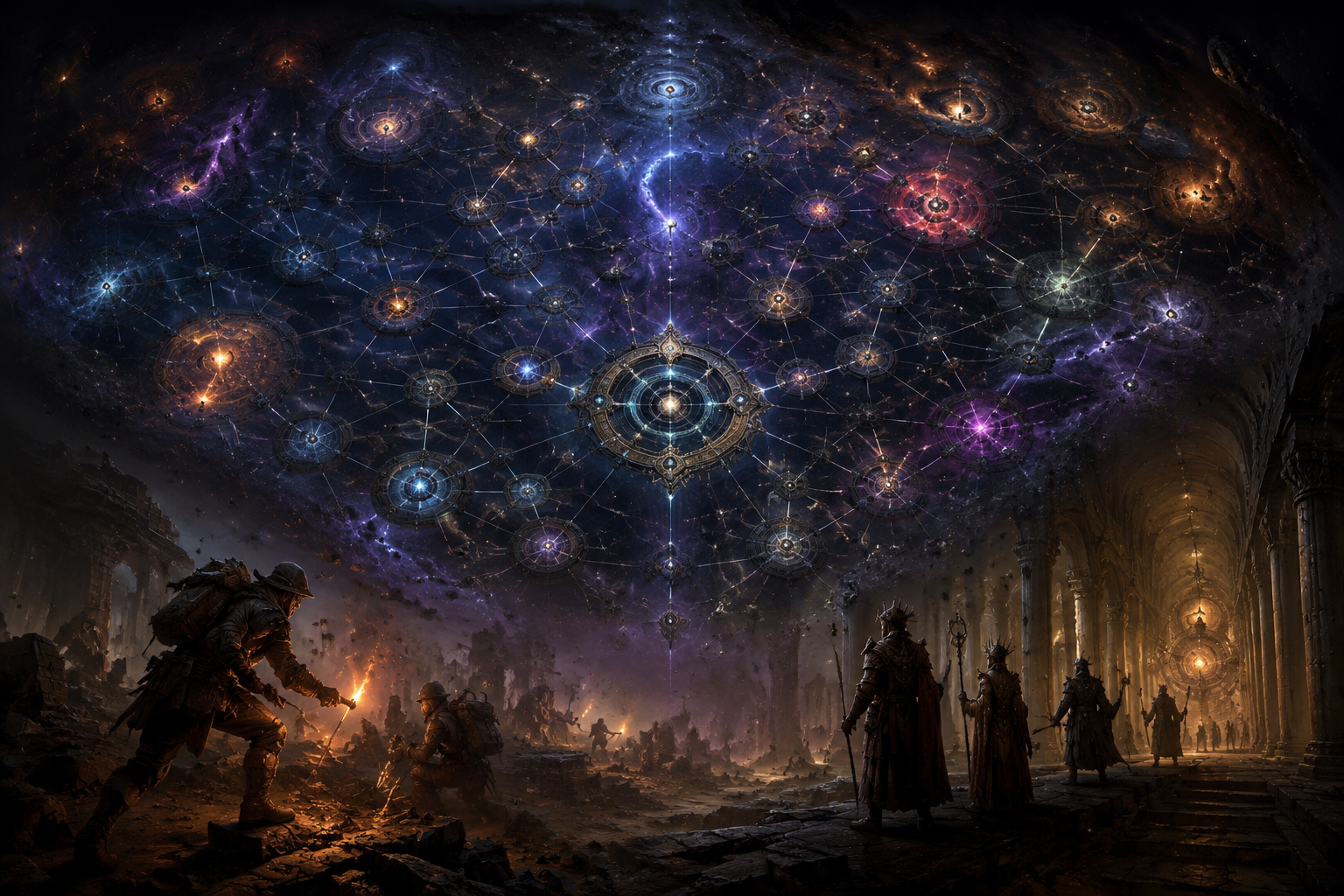
This is where patch 0.5 hits hardest. PoE 2’s endgame was hollow. It finally becomes a real destination. Several reworks had been anticipated for weeks, as we had outlined in the 4 anticipated reworks before the reveal. The livestream confirmed the full extent of the changes.
The Atlas finally has direction
Gone is the flat map with no guiding thread. The Atlas now has structured progression: regions, tiers to unlock, and a path you choose based on your farming style. You no longer wander, you build a route.
At the end of this progression: the Pinnacle Boss. The ultimate challenge of the patch, reserved for players who have cleared everything. The Precursor Fortress accompanies this addition and fits into the new Atlas journey.
The Atlas Passive Tree has also been restructured from the ground up. Nodes are more readable, keystones more impactful. Every choice in this tree directly shapes your mapping strategy. The era of one-size-fits-all trees is over.
Masters of the Atlas, Expedition, Delirium and the Breach Genesis Tree
The Masters of the Atlas return, adapted for PoE 2. Each master controls a type of content: Delirium, Breach, Ritual, Expedition. You can specialize your Atlas around one or two masters and ignore the rest. This is exactly what was missing to give endgame some personality.
Expedition has been completely redesigned. Random explosive placement is gone. The mechanic now offers clear objectives, structured progression and coherent rewards. Each expedition has a beginning, a middle and an end. Kami emphasizes in the video that this is one of the deepest reworks in the patch.
Delirium also changes behavior: the fog scales differently and rewards become more predictable. Less brutal RNG, more readability.
Breach introduces the Genesis Tree, a progression system specific to Breach maps. An additional layer of depth for players who want to specialize their Atlas in this content.
Overall, the volume of endgame content far exceeds what PoE 2 had to offer until now. The infinite atlas is no longer just a concept: you can map for hundreds of hours without ever running out of new things to do. PoE 2 is seriously starting to challenge PoE 1 on this front.
New ascendancies, uniques and the future of Path of Exile 2
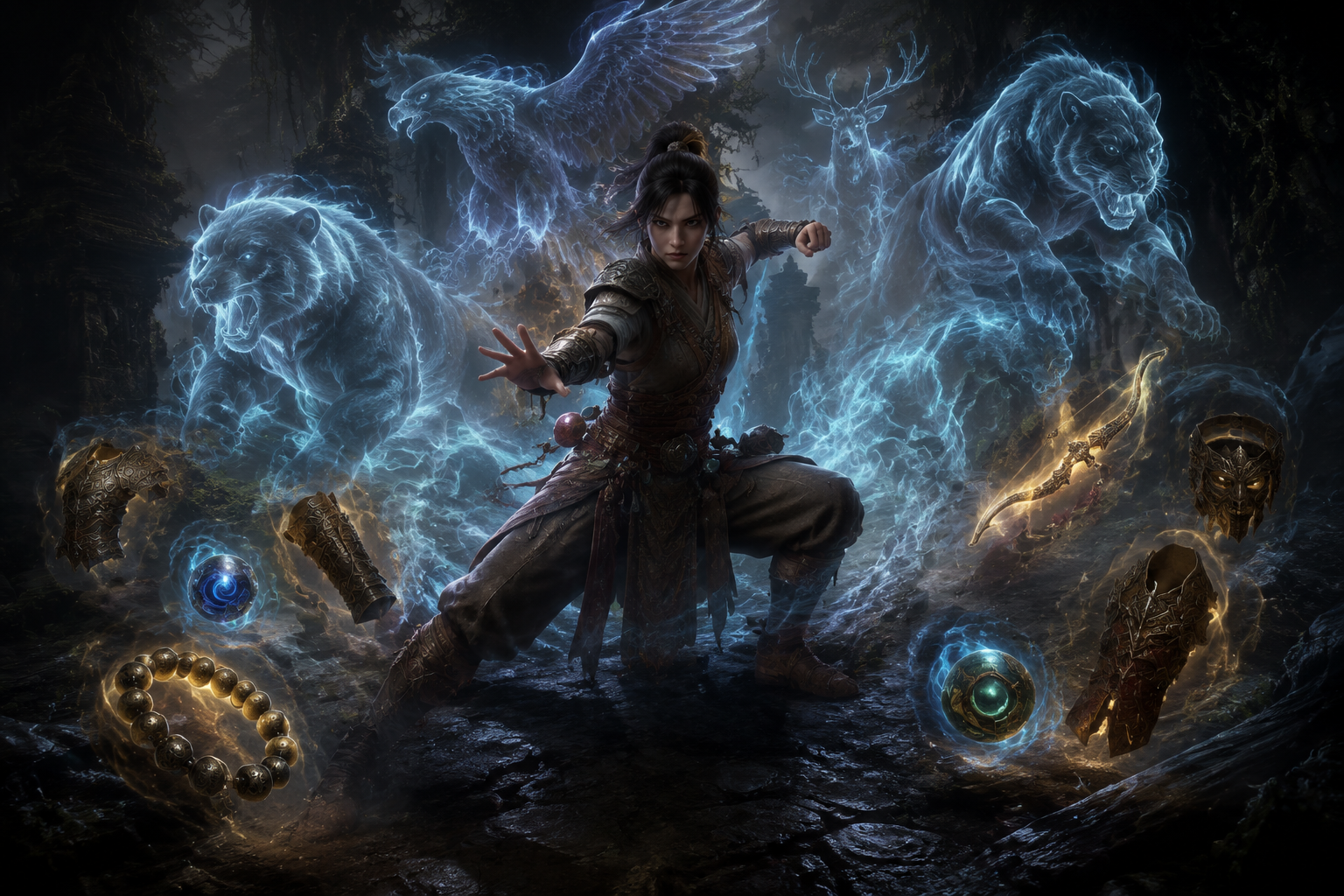
Two new ascendancies are arriving with Return of the Ancients. The Huntress receives the Spirit Walker, a hybrid melee and pet style that calls upon ethereal animal spirits in combat. The Monk, on the other hand, unlocks the Martial Artist, entirely focused on unarmed combat with extreme mobility. Each ascendancy comes with its own passive tree and dedicated mechanics.
Around fifteen new uniques were showcased live. Among them: weapons that alter how skills behave, armor pieces that open up entirely new build archetypes, and at least one item that sacrifices life to deal damage. Plenty to expand the possibilities when it comes to build construction.
GGG also worked on the game’s overall quality of life. The campaign has been smoothed out: better quest guidance, fewer pointless back-and-forth trips, a more gradual difficulty curve. The goal is clear: make replaying the campaign less painful for veterans who chain multiple characters.
Two quality of life features deserve a special mention. The first is build import directly in-game: copy a URL from a third-party site and import the build onto your character in seconds. The second is an integrated price check. Hover over an item and see its real-time market price. No more alt-tabbing between the game and a browser every five seconds.
Kami’s take on the patch is very positive. In his view, Return of the Ancients is exactly what PoE 2 needed to rival the endgame depth of PoE 1. The systems are richer, more accessible and more rewarding all at once. The official announcement from the livestream had set the stage early that morning.
Last but not least: GGG confirmed that PoE 2 will be free-to-play at its official launch with version 1.0, scheduled for late 2026 after ExileCon. Monetization will follow the PoE 1 model, cosmetics and stash tabs only. No pay-to-win.
Return of the Ancients launches on May 29, 2026. It is the last major beta content drop before 1.0. If you want all the details, specific unique examples and Kami’s full breakdown, the video at the top of this article has you covered.
📖 Retrouvez tous les builds et guides Path of Exile 2 : Voir tous les builds PoE2 →





0 Commentaires
Aucun commentaire pour le moment. Soyez le premier à commenter !