
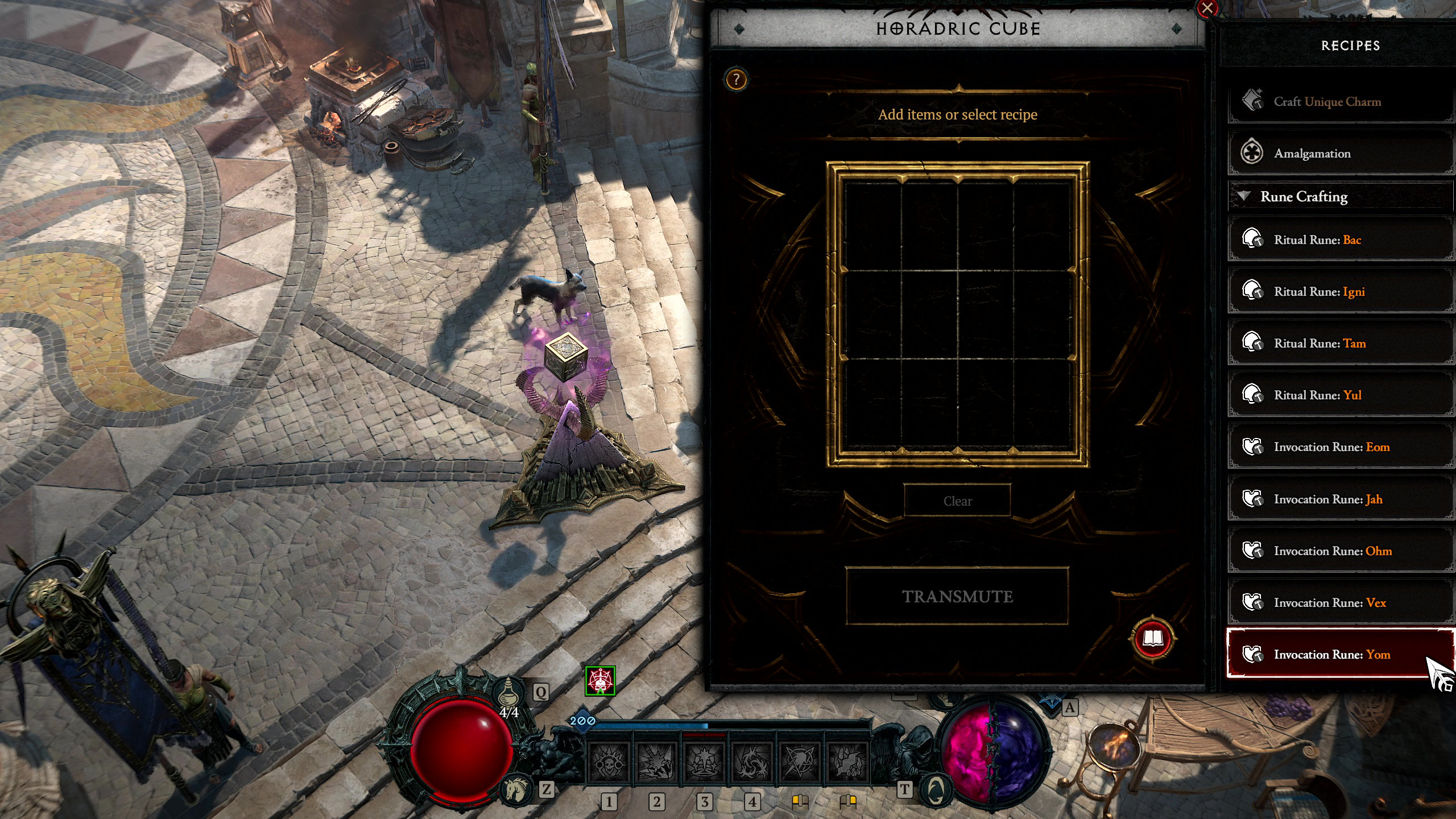
With the Lord of Hatred expansion, Diablo 4 deeply reworks its crafting and item management systems. On the agenda: the Diablo 4 Talisman, a brand-new Horadric relic that redefines character customization; the return of the legendary Horadric Cube with a three-tab transmutation system; an improved Runecrafting system allowing players to forge specific Runes; and a complete overhaul of Gems turned into true elemental damage multipliers. Here is everything you need to know about these new features before the April 28, 2026 launch.
The Diablo 4 Talisman: the new Horadric customization relic
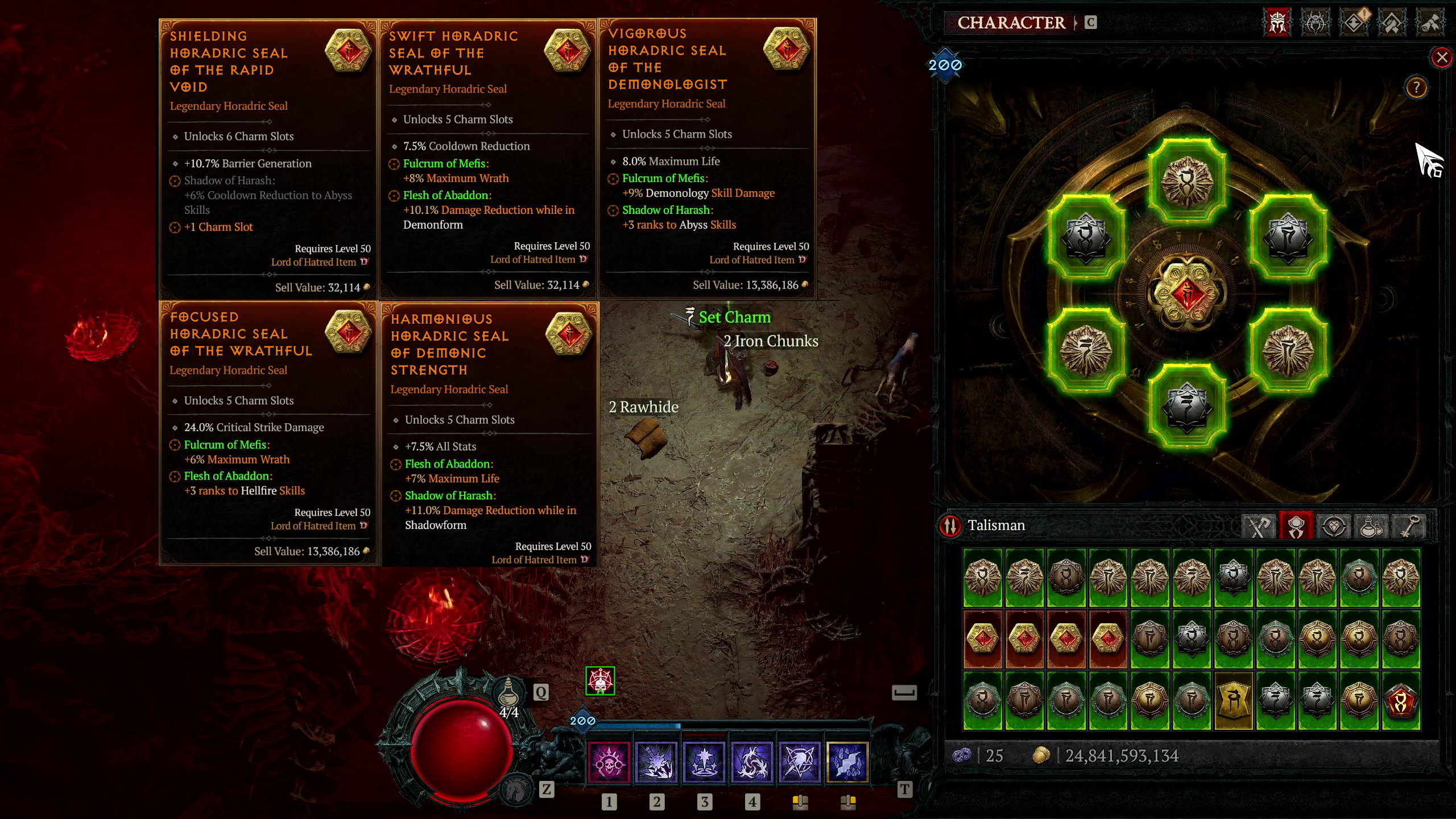
The Diablo 4 Talisman is arguably the most impactful addition in Lord of Hatred for players seeking deep customization. It is a Horadric relic that your character equips and that acts as a container for Charms — a system veterans of Diablo II will recognize immediately in spirit, but completely reimagined from the ground up.
The Talisman features Seals that unlock Charm slots. Depending on the quality of the equipped Seal, the number of available slots varies:
- Blue/Rare Seals: unlock 3 to 5 Charm slots
- Legendary Seals: unlock 5 to 6 slots
Charms themselves have variable stats, similar to affixes on a standard item: bonuses to active and passive skills, elemental resistances, additional Lucky Hit damage, crowd control effects (freeze, immobilize, stun), barrier generation, or extra life points. The system encourages hunting for high-level Seals in endgame content, with Den bosses being a prime source of Magic Seals.
Horadric Charm Sets: powerful build synergies
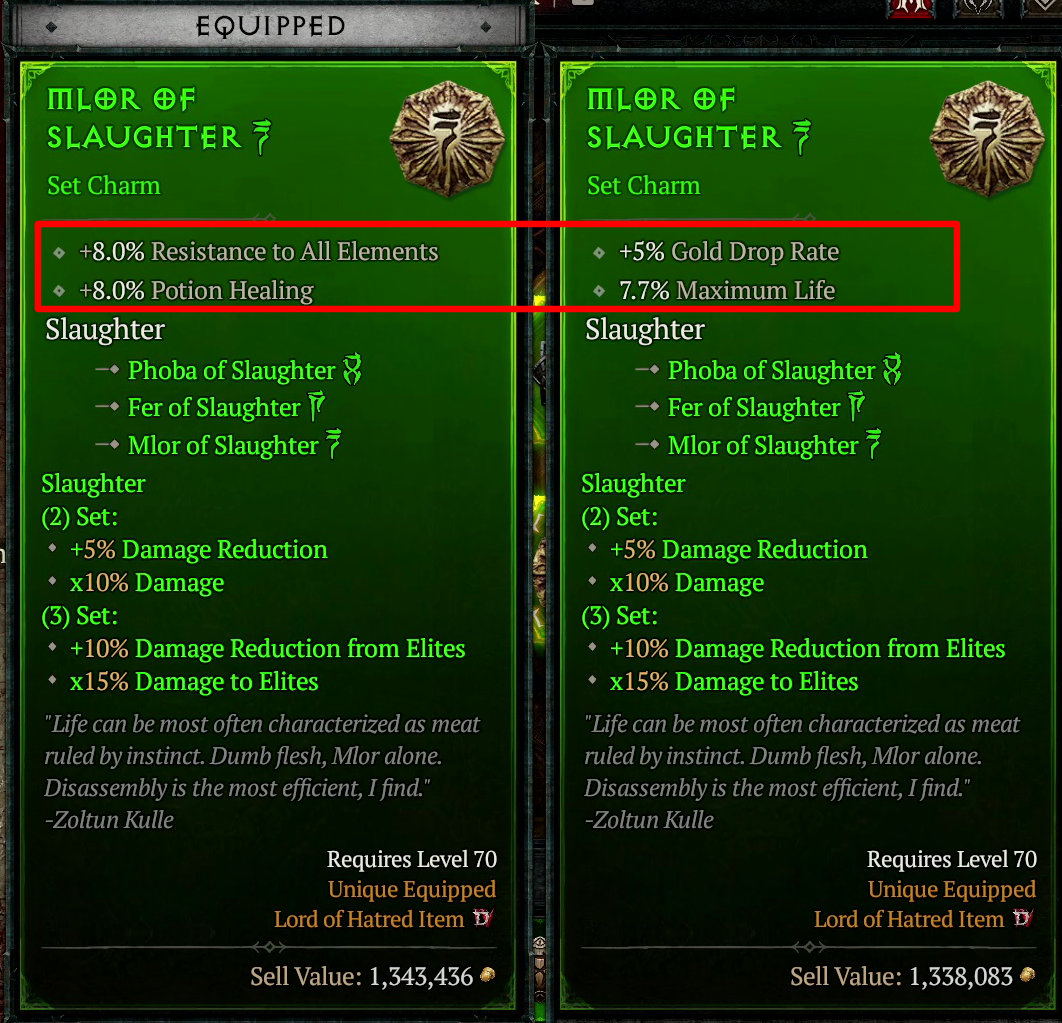
Beyond individual Charms, Lord of Hatred introduces Horadric Charm Sets that provide additional set bonuses when you collect multiple pieces from the same set. Some sets are generic and available to all classes, while others are class-specific: the Warlock, for example, has its own five-piece set with three partial bonus tiers.
Here are the main generic sets revealed during the hands-on preview:
| Set | Theme |
|---|---|
| Slaughter | Increased damage dealt and reduced damage taken |
| Survival | Armor and resistance bonuses for survivability |
| Practiced Technique | Increased movement speed and gold generation |
| Dark Pact | Elemental damage multipliers |
| Mastery | +2 to all character skills |
These sets drop more frequently starting from Torment III according to information revealed in the previews. For a full overview of difficulty tiers, check out our article on everything the Lord of Hatred embargo reveals.
The Horadric Cube is back in Diablo 4 Lord of Hatred
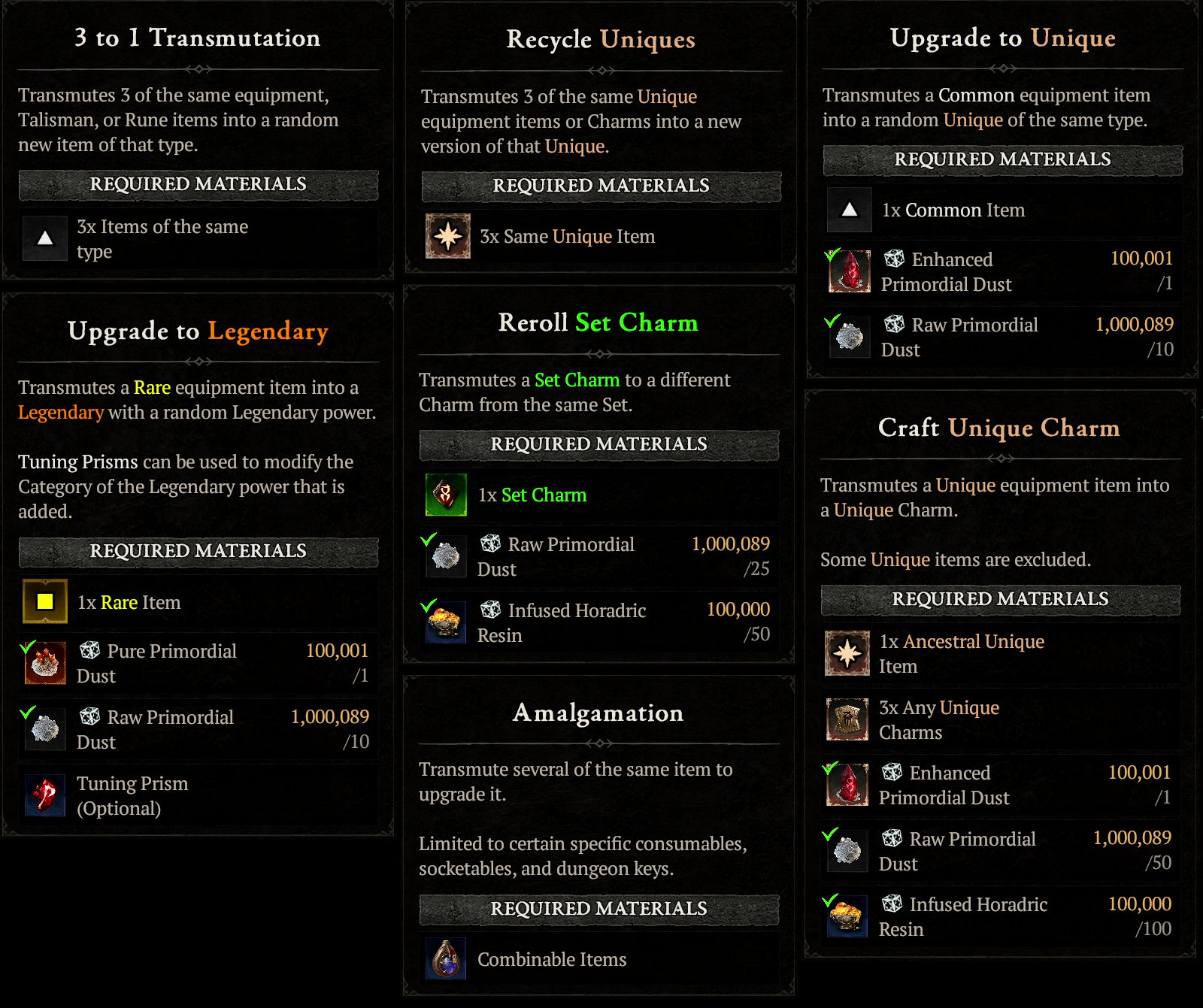
An iconic item from Diablo II, the Horadric Cube makes its return in Lord of Hatred with a central role in high-level crafting. It comes as a three-tab interface, each tab dedicated to a specific type of transmutation.
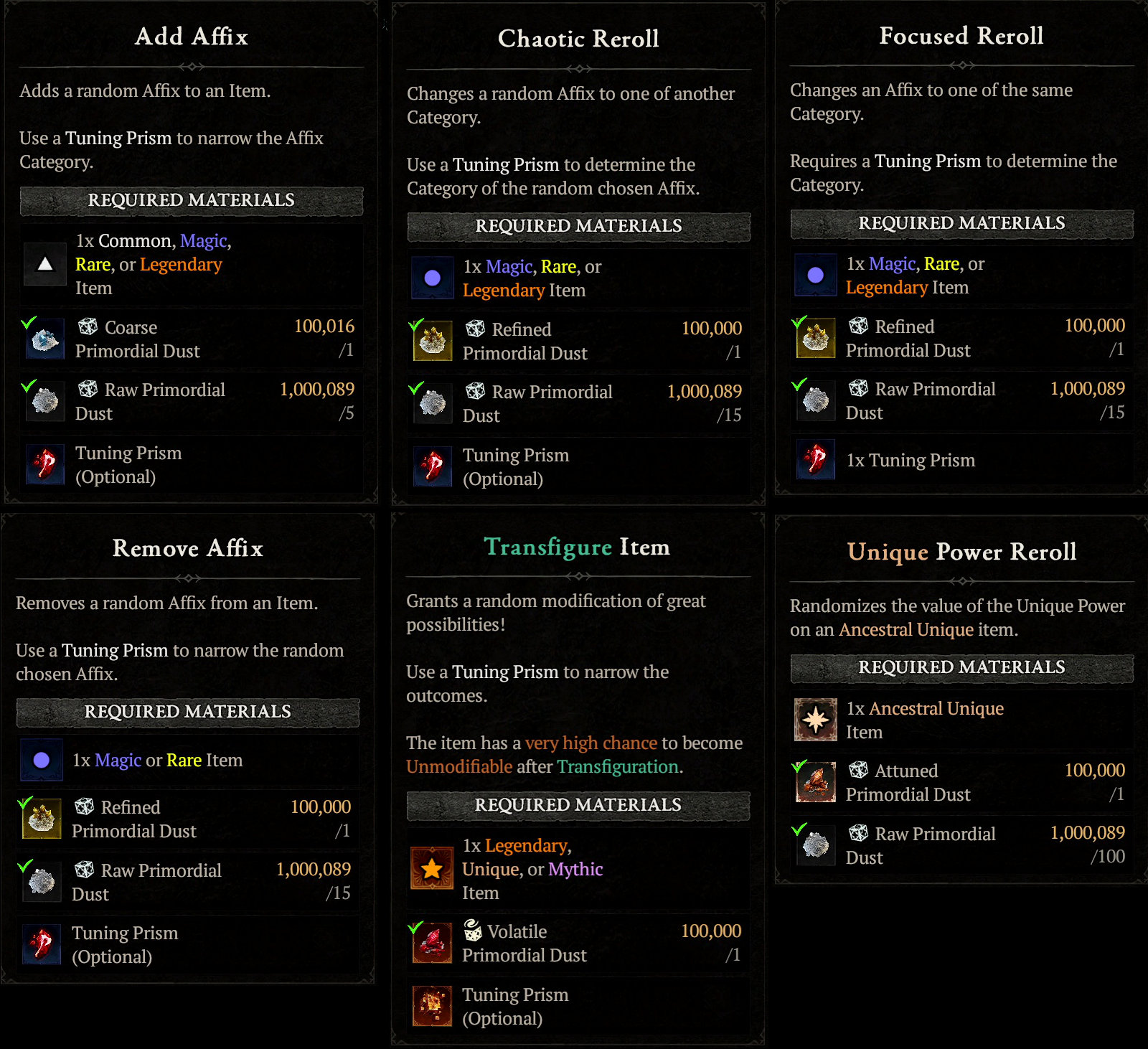
The first tab, Gear Modification, allows you to transmute equipment to upgrade or transform it. The second tab, Item Transmutation, is dedicated to material transformation — very useful for optimizing your crafting resources. The third tab, Runecrafting, is arguably the most anticipated and is covered in a dedicated section below.
This Cube system restores value to items picked up along the way and should invigorate the resource economy, especially with the introduction of Raw Primal Dust as a new farmable material in Nightmare Dungeons.
Runecrafting: forge Runes on demand
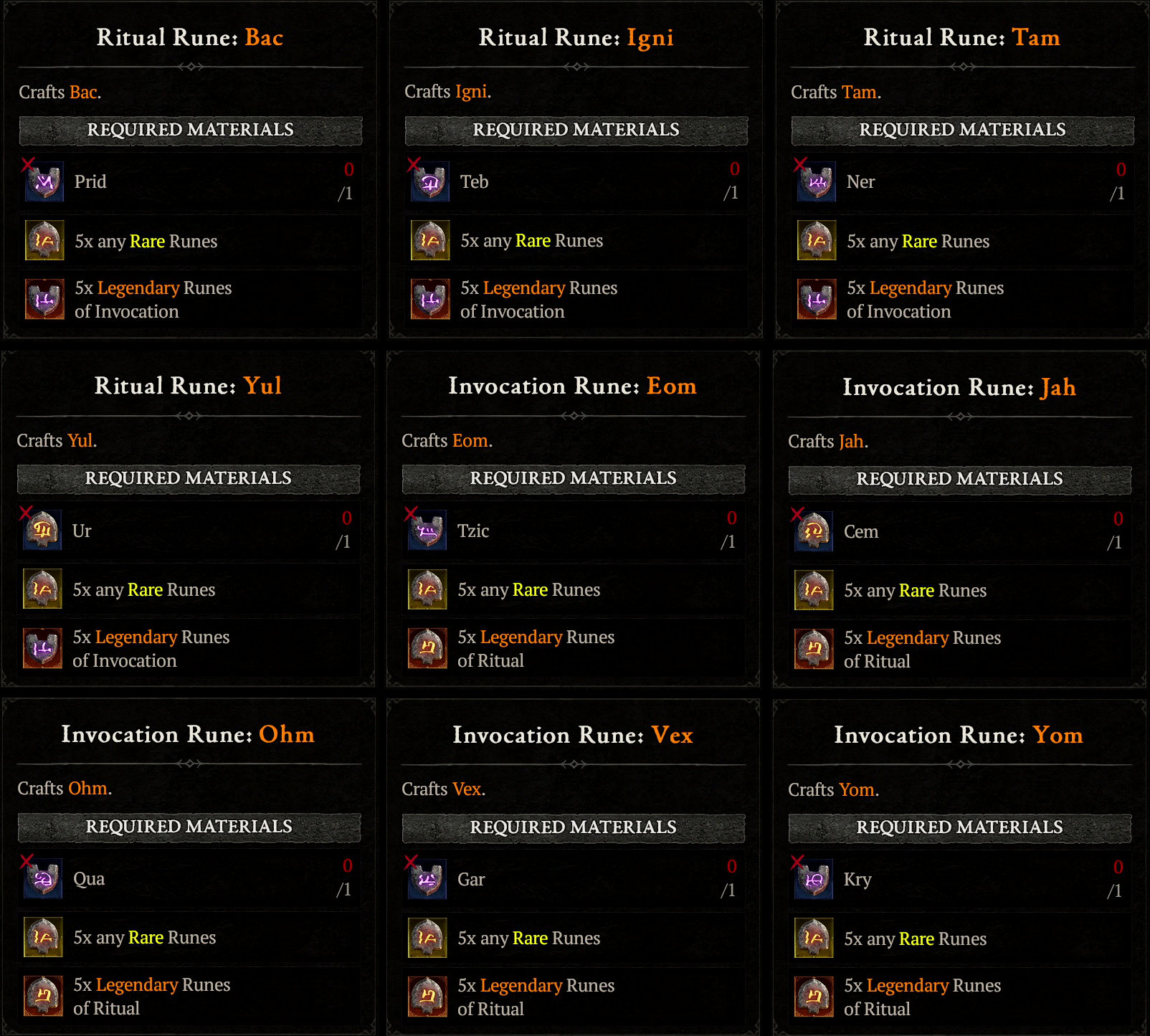
One of the most anticipated features of Lord of Hatred is the ability to craft specific Runes via the Horadric Cube. The Runecrafting system allows players, through a precise recipe, to merge existing Runes to obtain a chosen one — ending drop randomness and giving players unprecedented control over their Rune configurations.
The base recipe revealed during the preview requires:
- 5 Rare Runes
- 5 Legendary Runes
- 1 Magic Rune (as a catalyst)
This system will have a direct impact on the Rune market within the community, as players will now be able to target specific Runes such as  Jah or
  Lum without relying solely on luck. The Legendary Runes required for Runecrafting are accessible starting at Pit level 30 (Torment V), and Mythic Seals at Pit 80 (Torment X).
Grand Gems: powerful Diablo 4 damage multipliers
The Gem system receives a major overhaul in Lord of Hatred. Grand Gems shed their passive role to become true elemental damage multipliers, significantly transforming their endgame value. Each gem type is now associated with a specific damage type:
| Grand Gem | Multiplier (weapon) | Element |
|---|---|---|
| Grand Amethyst | x24% | Shadow Damage |
| Grand Diamond | x20% | All Damage |
| Grand Emerald | x24% | Poison Damage |
| Grand Ruby | x24% | Fire / Holy Damage |
| Grand Sapphire | x24% | Cold Damage |
| Grand Skull | x24% | Physical Damage |
| Grand Topaz | x24% | Lightning Damage |
The Grand Diamond stands out as a universal option (+20% to all damage), making it a natural pick for hybrid builds or classes without a dominant damage type. The other gems offer +24% on their respective element, favoring specialized builds.
Gem application varies by slot: in weapons, they apply their damage multipliers; in armor, they grant defensive stat bonuses; in jewelry, they provide strong elemental resistances. This slot-based specialization forces strategic choices depending on the content you tackle. When combined with the Diablo 4 Talisman and its Charm synergies, as well as the new Spiritborn unique items also showcased, the combination possibilities look extremely wide.







0 Commentaires
Aucun commentaire pour le moment. Soyez le premier à commenter !