
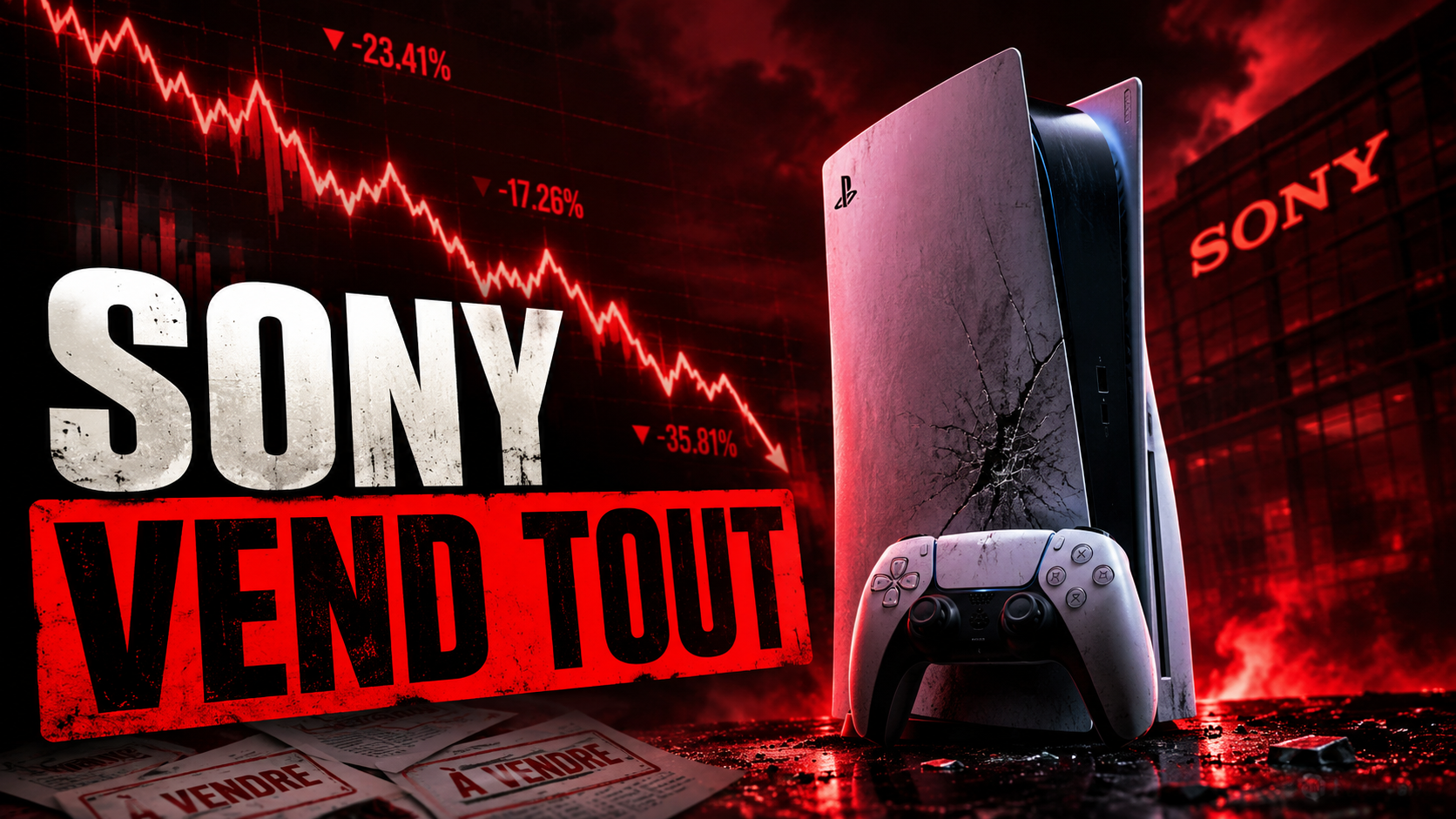
Just two days after announcing the end of boxed PlayStation game production starting January 2028, Sony’s CEO sold more than half of his shares in the company. A timing that raises questions, even though nothing officially proves a link between the two events.
Sony announces the end of boxed PlayStation games from 2028

On July 1st, PlayStation confirmed it would stop producing disc-based games starting January 2028. There is still a bit more than a year and a half before boxed copies vanish from shelves.
Two days after this announcement, Sony CEO Hiroki Totoki sold the majority of the Sony shares he held. A considerable sum, by the way. The timing inevitably raises questions.
In finance, an executive’s actions speak volumes. When a CEO buys back shares of his own company with his personal money, he sends a signal of confidence. He shows he believes in his company’s future.
Here it’s the opposite. When an executive sells more than half of his shares at once, the market sees it as a bad sign. The classic expression sums it up well. Rats leaving the sinking ship.
The reason behind this sale isn’t necessarily bad in itself. But the signal it sends remains negative. And financial markets don’t like this kind of coincidence, especially coming from the top of the hierarchy.
225,000 shares sold at once: the details of the official filing
Unlike a private individual who can sell shares from a smartphone without declaring anything, a company executive doesn’t have that luxury. Every movement on his own company’s stock must be made public via an official filing.
It was a filing with the SEC, the US stock market regulator, spotted by Insider Gaming, that brought the transaction to light. The document in question is called Form 4, which every executive must fill out whenever they sell or buy shares of their company.
The form shows that Totoki sold 225,000 Sony shares on July 3rd, at $21 apiece. The total amount is around $4.73 million, roughly €4.15 million. He has 17,325 shares left after this sale.
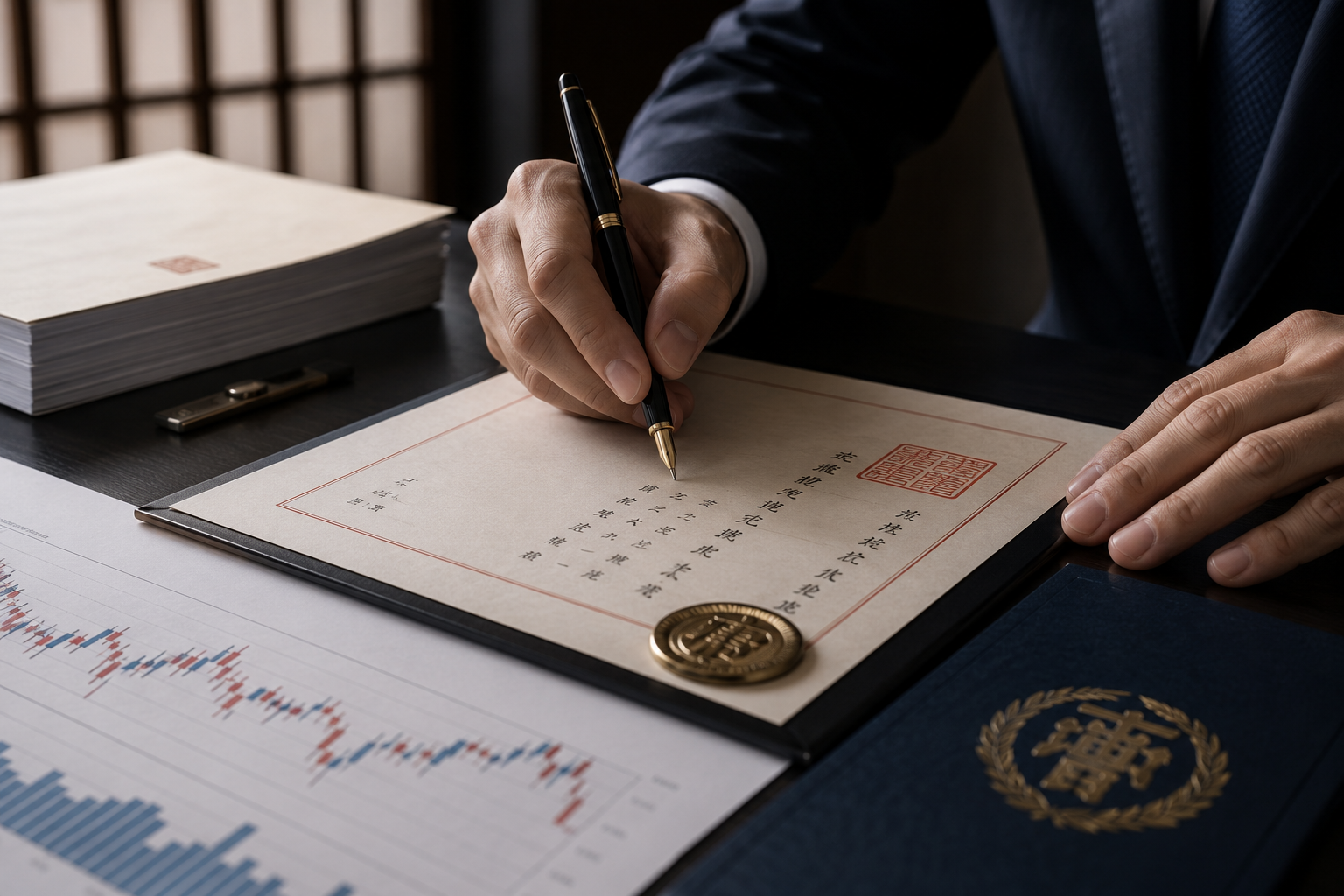
The figure that stands out is the percentage. These 225,000 shares represent 56% of his direct holding in this category of stock. More than half, all at once.
The form doesn’t specify any reason, that’s not a requirement. An executive can sell his own shares, nothing illegal about that. Jeff Bezos does it regularly, in small chunks of 2 or 3%. Selling more than half of his holding in a single transaction remains much rarer, and that’s what fuels the questions.
Totoki isn’t alone: other Sony executives sold at the same time

This sale comes amid a full storm over the end of physical media. Players keep launching petitions and Sony stays silent, a climate of distrust already documented in our article on the trust crisis hitting the video game industry. And Totoki isn’t an isolated case.
In recent months, several other Sony executives have also sold their shares. Former CEO Kenichiro Yoshida sold 400,000 shares. Strategy director Toshimitsu Mitomo sold 25,000, the same day as Totoki, July 3rd.
This coincidence of dates reinforces the impression of a broader movement at the top of the company, even though nothing proves any coordination between these executives.
A precedent does exist, though. Jim Ryan, former head of PlayStation, sold a significant portion of his Sony shares in December 2023, a few months before leaving his post.
Enough to fuel speculation. But selling $4.7 million worth of shares when you already earn an almost equivalent salary proves nothing in itself. A sale can just as easily follow a plan scheduled well in advance, independent of the current news cycle.
Coincidence or warning sign? What the share price really shows
The timing is intriguing. This sale happened two days after the announcement of the physical disc discontinuation. But no one knows when the decision to sell was actually made. Among top executives, this kind of sale is very often planned months in advance, precisely to avoid this kind of controversy.
Two interpretations clash, with no proof to settle it. First hypothesis: he knew the announcement would tank the stock and sold before the drop. Second hypothesis: the announcement caused a small bump, and he took advantage of it to sell at the best moment. Nothing today allows us to speak of insider trading.

One detail changes the perspective. It’s Sony’s overall stock that moves, not a share dedicated to PlayStation. And the end of physical discs barely registers within such a vast group. On July 1st, the day of the announcement, Sony also communicated about financial agreements with the Japanese government. Several factors can explain the price movements that day.
Let’s look at the numbers. Over five days, the stock remains broadly stable. Over a year, it’s been in continuous decline. The announcement effect, if it exists, is limited to a tiny ripple on the chart. Nothing spectacular.
A share’s value reflects a company’s worth, its results, its real prospects. The end of disc production is planned for January 2028. No concrete financial impact exists yet today. Mechanically, this announcement should therefore have almost no effect on Sony’s current stock price.
Why financial markets remain calm for now

Sony hasn’t changed its production yet. Boxed games continue to be manufactured and sold normally, exactly as before the announcement. The gradual phase-out of the physical format isn’t planned until January 2028, and it will happen in stages, not overnight.
As a result, there’s no immediate cash inflow to factor into the stock valuation. Investors have no reason to adjust their forecasts now. That reassessment will come later, probably late 2027 or early 2028, once the transition is officially underway.
Journalist Jason Schreier has a simple explanation for Sony’s attitude. The company is reportedly banking on its community’s loyalty. PlayStation players will grumble a bit, but will keep buying consoles and games as before, a strategy already covered in our recap on the disappearance of physical discs. Sony isn’t worried, and financial markets seem to share that confidence for now.
One unknown remains. If player discontent grows in the coming months, perception could change, both among investors and at Sony itself.
What this sale really changes for PlayStation players
For the player following the story day to day, this stock sale changes nothing concrete. The decision to end physical games is already set, and part of the public already rejects it, petitions in hand. These petitions have little chance of making Sony budge. The stock movement is just one signal among others, within a broader trust crisis toward the PlayStation brand, a topic already covered in our article on Sony’s latest troubles.
The point that deserves criticism lies elsewhere. Sony could have cancelled or postponed this stock sale once the scale of the controversy became visible, even if the deal had been planned long in advance. If only for the sake of image. The company didn’t, and two days after the announcement, public perception remains poor.

What’s surprising is Totoki’s silence. No official explanation, no document confirming that a sale plan existed before the disc discontinuation announcement. Other executives, faced with this kind of calendar coincidence, speak up and show proof to cut off suspicion. For now, on Sony’s side, none of that.
What happens next will mostly depend on this silence. If it continues, players’ distrust risks settling in for the long haul.








0 Commentaires
Aucun commentaire pour le moment. Soyez le premier à commenter !