Valve did something unexpected on July 30: opening the Deadlock Ranked mode while the game has not even launched yet. The title remains in closed beta, with no release date announced, and has just opened its first competitive season.
Access isn’t handed out. It takes 60 wins in Standard mode, three mastered heroes, then eight placement matches. Valve itself warns that the first weeks will be chaotic.
Here’s what the update actually changes, how to unlock Ranked mode, and what this launch says about the game’s real state.
Valve launched Deadlock’s ranked mode on July 30
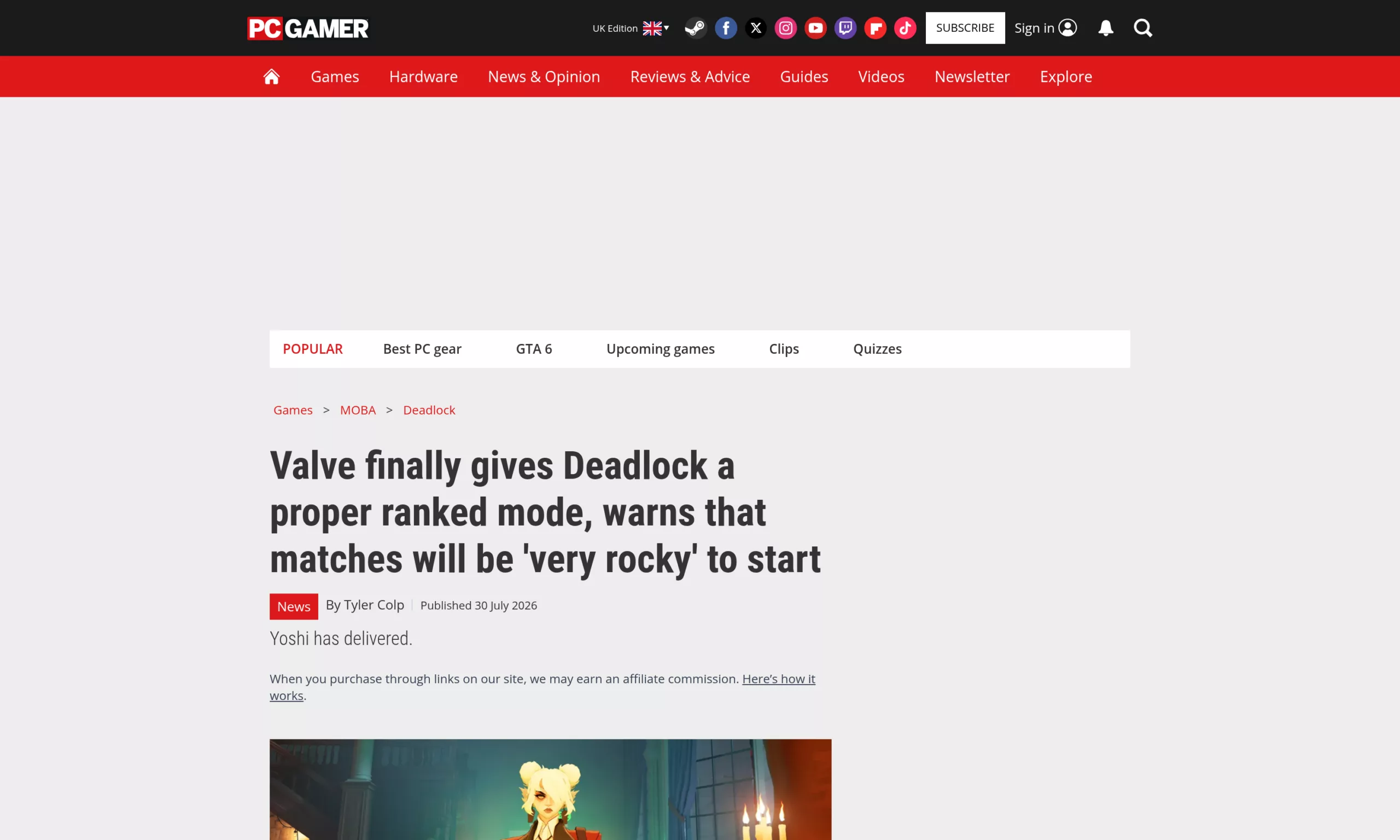
Valve rolled out a complete overhaul of Deadlock’s matchmaking system on July 30, 2026, and launched its Ranked mode alongside it. Deadlock is Valve’s free third-person MOBA that blends shooting and parkour in team fights. The news was reported by PC Gamer the same day, in an article by Tyler Colp titled « Valve finally gives Deadlock a proper ranked mode, warns that matches will be « very rocky » to start ». The subhead sums up players’ anticipation in one line: « Yoshi has delivered », a reference to the handle of a Valve developer active on the game’s official Discord.
This launch opens Beta Season 1, the game’s first real competitive season. It starts on July 30 and ends on October 7, 2026, giving players just over two months to climb the ranks.
A ranked mode existed once before. Valve added it on October 10, 2024, before replacing it on November 21, 2024 with a simple Skill Rating system, a skill score with no visible hierarchy. It’s now back after more than a year and a half away, which changes things for players who are new to Deadlock or coming back after a break.
Valve warns that the early days will be « very rocky », in other words chaotic. Few players meet the access requirements at launch, so the pool of ranked players remains thin. Queue times stretch out and match quality suffers, until the population stabilizes over the coming weeks.
Standard and Ranked: two now-separate queues
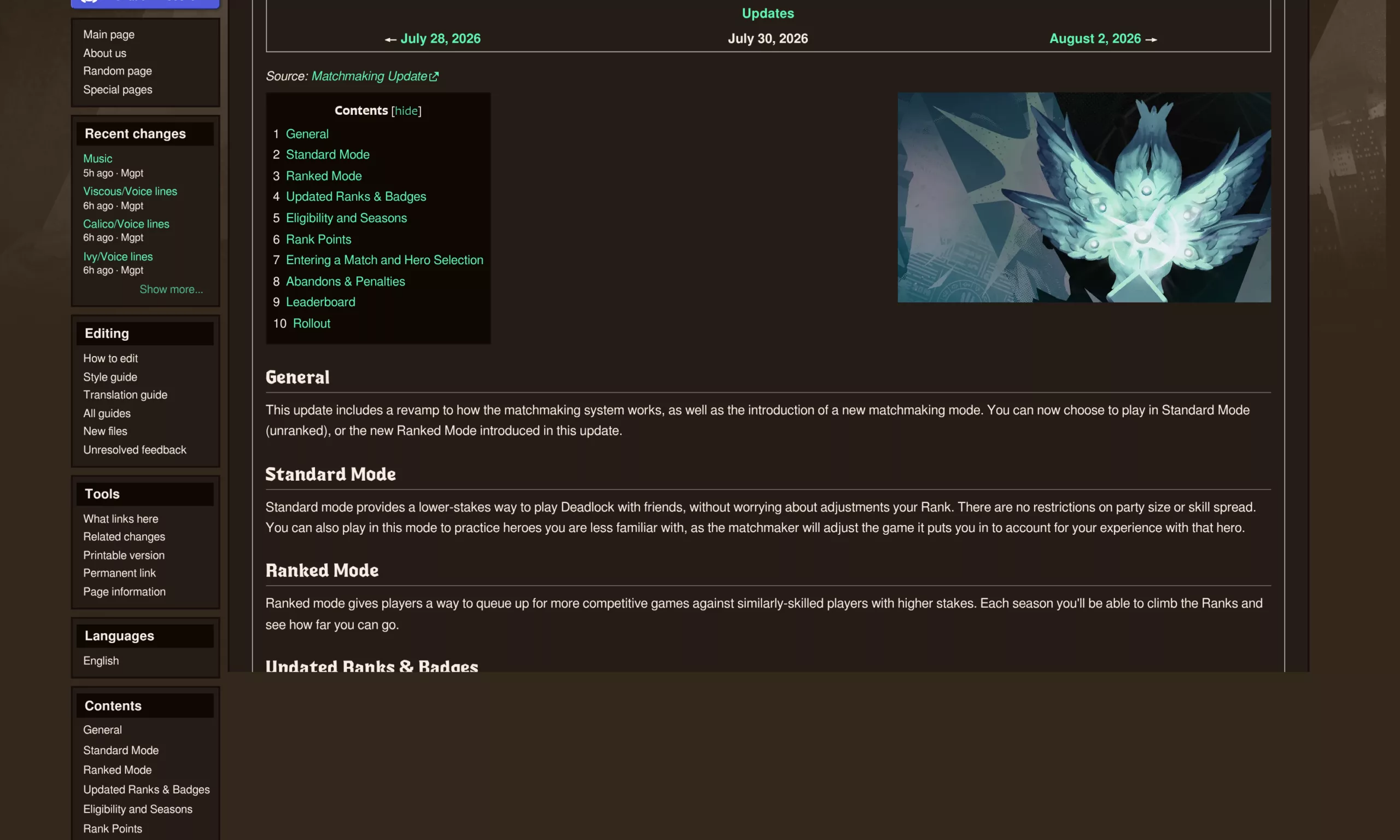
The July 30, 2026 update settles a debate that had been dragging on for a long time over Deadlock’s matchmaking queues. The game now offers two permanent, clearly distinct modes, each with its own rules. No more mixing players who came to have fun with players who came to climb.
Standard mode remains the no-stakes queue: nothing you do there affects your rank. There’s no limit on party size, and the skill gap between teammates is unrestricted, which lets you play with friends regardless of their level. Matchmaking factors in a player’s experience on the chosen hero, making it the logical place to learn a character you don’t yet master.
| Criterion | Standard | Ranked |
|---|---|---|
| Impact on rank | None | Rank changes after every match |
| Party size and skill gap | Free, no restriction | Restrictions on allowed teammates |
| Hero selection | All heroes available | Limited to heroes the player has proven themselves on |
| Leaving a match | No penalty | Penalties apply |
| Overall ranking | Not applicable | Leaderboard (public player ranking) available |
Ranked mode, by contrast, is for players who want to face opponents of a similar skill level. The hero pool (the list of characters allowed in a match) is restricted to those the player has already practiced, which prevents testing a new idea mid-competitive-match. This limit forces a split between learning which heroes are most effective in the current meta and performance in a ranked match.
This separation resolves a classic MOBA tension. A single queue used to mix players who wanted to seriously improve with players who just wanted to hang out with friends, and each group ended up getting in the other’s way. Players now choose their contract before starting a match: no-consequence relaxation on one side, competition with penalties and a leaderboard on the other.
60 wins, 8 placements, and eleven ranks to climb
Deadlock’s ranked mode doesn’t unlock the moment you start playing. You need to rack up 60 wins in Standard mode, a figure that already demands several dozen hours of play, and have 3 heroes unlocked to play ranked. This dual requirement rules out brand-new accounts and players who are just testing the game without any intent to stick around.
Eight placement matches follow once the mode unlocks, and they determine entry into the ranking. Every match counts, since a single overall result decides the rank assigned afterward. The best possible outcome from this series is Oracle VI, a ceiling that few accounts reach in practice.
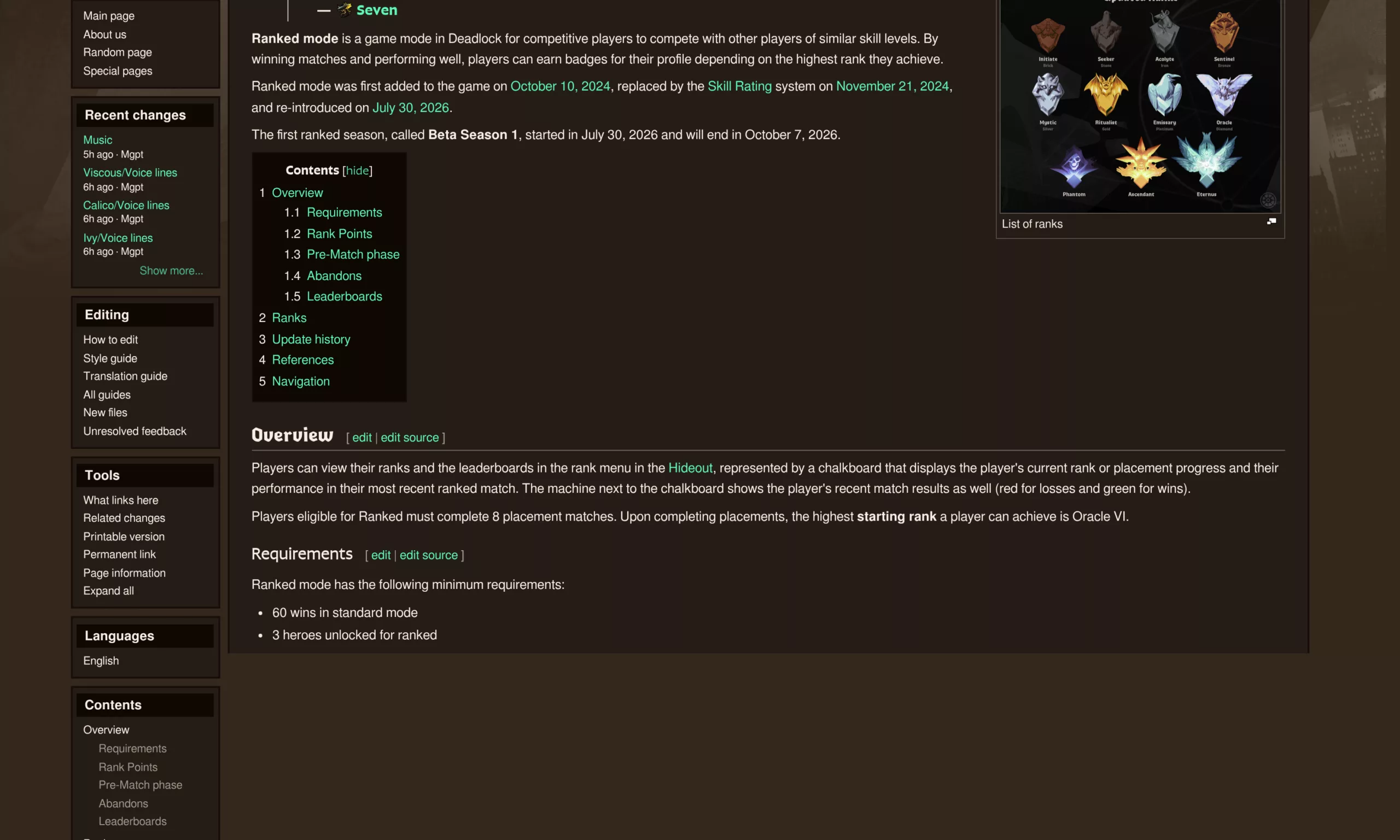
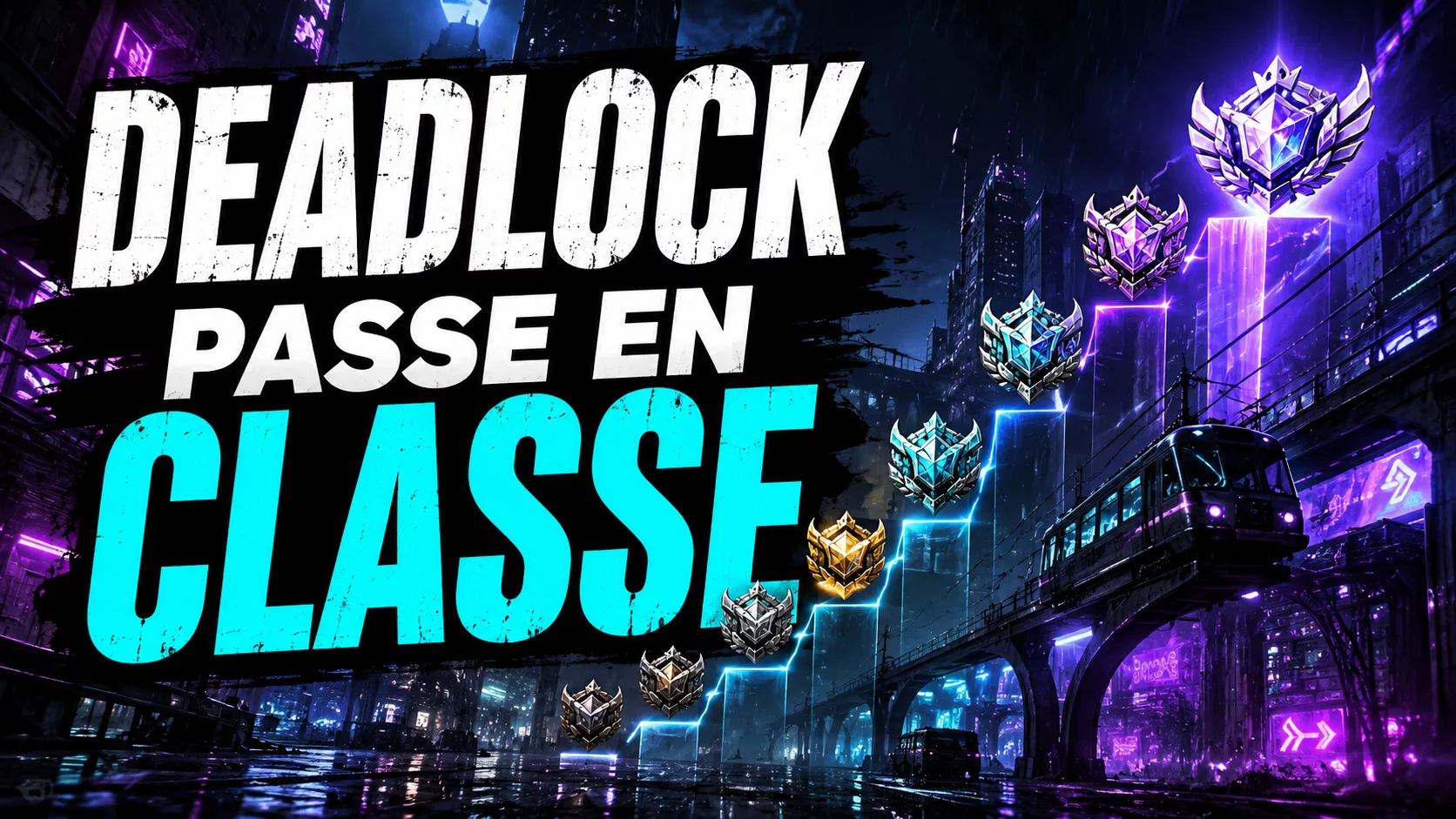
Eleven ranks then mark out the ranked ladder, from Initiate to Eternus. They line up with the five player tiers, from Initiate to Eternus, with each rank tied to a material that decorates the badge shown in-game. Progression follows a simple logic: the higher the rank, the more valuable the material, from brick to diamond before the final three tiers.
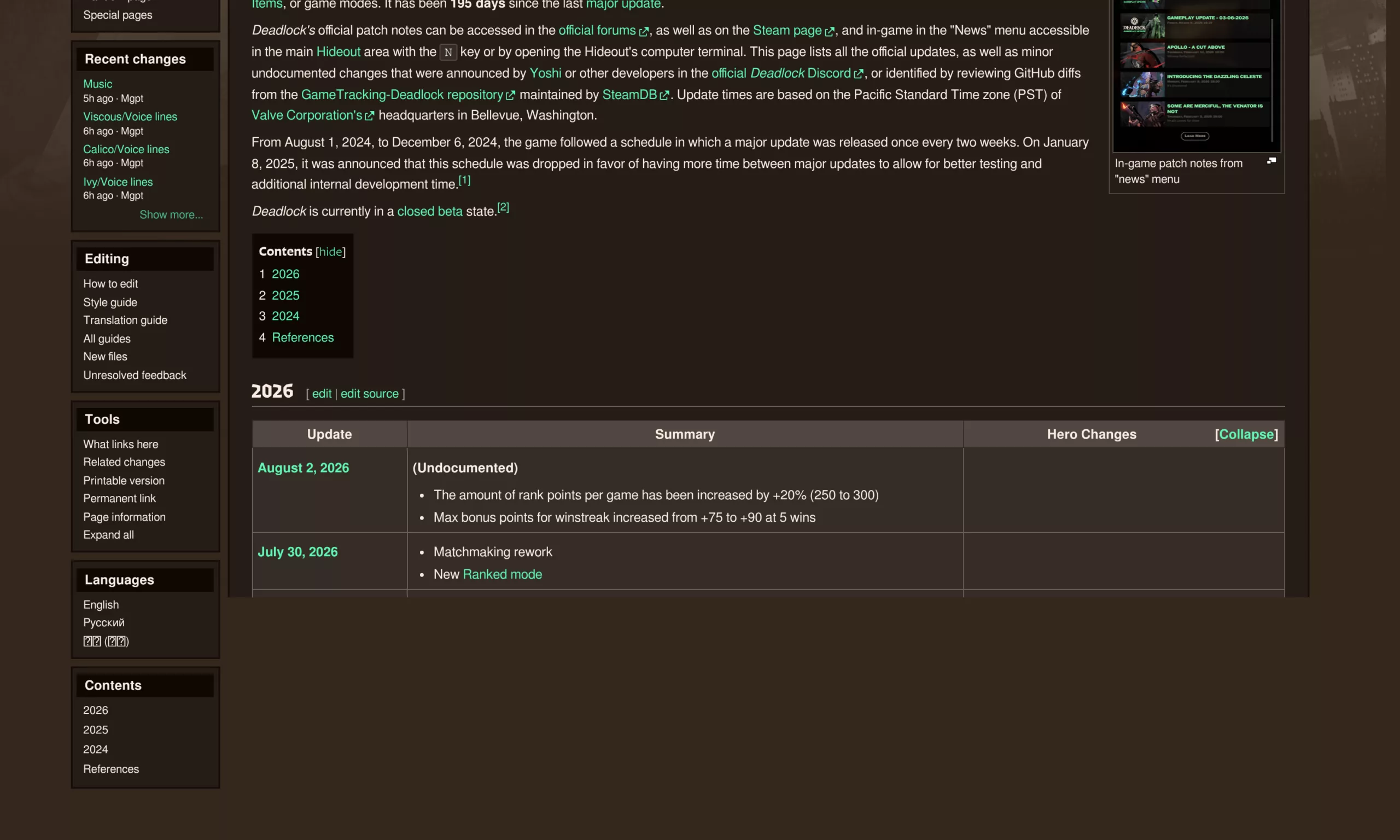
A patch on August 2, 2026, undocumented by Valve, changed how rank points are calculated. The gain per match rises from 250 to 300 points, a 20% increase. The win-streak bonus also climbs, from 75 to 90 points starting at five consecutive wins. This kind of adjustment is common in closed beta, where balance changes often roll out one after another without an official announcement.
| Rank | Associated material |
|---|---|
| Initiate | Brick |
| Seeker | Stone |
| Acolyte | Iron |
| Sentinel | Bronze |
| Mystic | Silver |
| Ritualist | Gold |
| Emissary | Platinum |
| Oracle | Diamond |
| Phantom | Top of the ladder |
| Ascendant | Top of the ladder |
| Eternus | Top of the ladder |
These numbers can be checked in the Hideout, the game’s personal space. A chalkboard there displays the current rank or placement progress. A machine set right next to it sums up recent results: red for a loss, green for a win. Access remains demanding for a game still in closed beta. This filter screens out casual players and explains Valve’s warning about a rough start. The choice favors the quality of ranked matches, even if it shrinks the player pool at launch.
The context Valve isn’t highlighting
Deadlock is still in closed beta. The game has never had an official release, and the ranked mode launch doesn’t change that. Access remains closed, and communication around the game stays low-key. The community wiki tracks updates patch by patch, with no version number attached. According to that record, 195 days have passed since the last update classified as major. Ranked mode thus arrives after a long quiet stretch for the title.
Patches, on the other hand, remain regular. Valve ships dated patches at a rate of roughly four to five per month, ranging from small tweaks to major balance passes, like the April 10 overhaul. This steady pace stands in sharp contrast with the game’s lack of an official release: the content moves fast, but the game’s status doesn’t change.
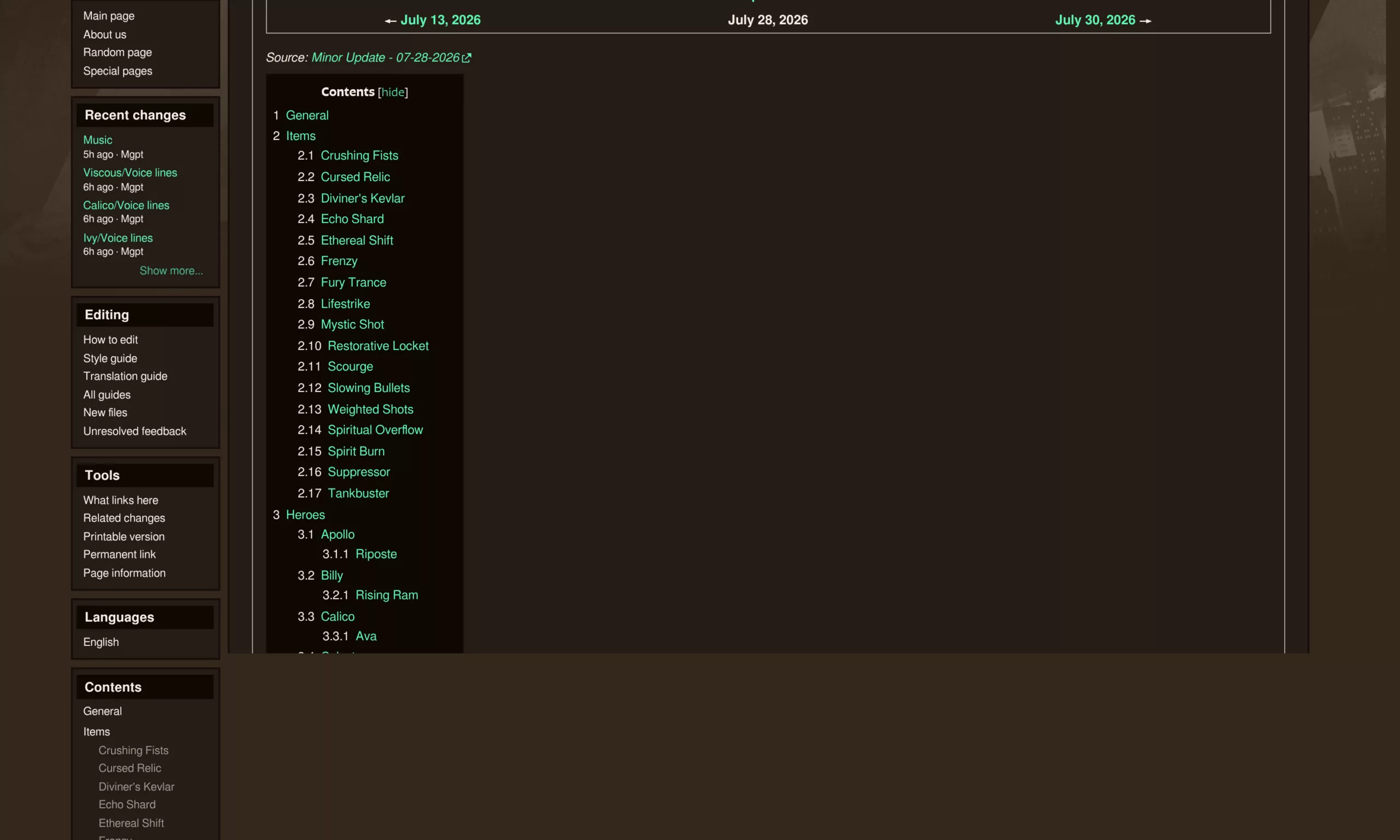
Two days before ranked mode, on July 28, 2026, a new balance patch dropped. It changed the survivability of certain hero categories, adjusted the souls shared from objectives, and fixed several audio issues reported by the community. These changes affect overall balance, not just cosmetic details.
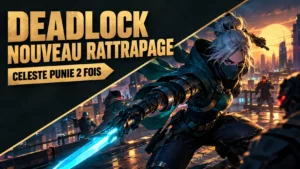
Six heroes were buffed: Celeste, Dynamo, Kelvin, Mina, Mo & Krill, Paige. Ten were nerfed: Billy, Calico, Drifter, Haze, Ivy, Mirage, Pocket, Shiv, Silver, Yamato. Five others received minor tweaks. Seventeen items were also adjusted, including Echo Shard, Spirit Burn, Scourge, Crushing Fists, Cursed Relic and Tankbuster.
Opening a competitive mode on a game still in closed beta remains unusual. The move looks as much like a full-scale live test of the ranking system itself as it does content designed for players. The timeline supports that reading: a balance pass two days before launch, then a point-gain adjustment three days after. Valve is tuning the parameters on the fly rather than waiting for a dedicated maintenance window. Deadlock’s ranked mode is thus starting out under continuous monitoring, patch after patch.
📖 Retrouvez tous les builds et guides Deadlock : Voir tous les builds Deadlock →



0 Commentaires
Aucun commentaire pour le moment. Soyez le premier à commenter !