
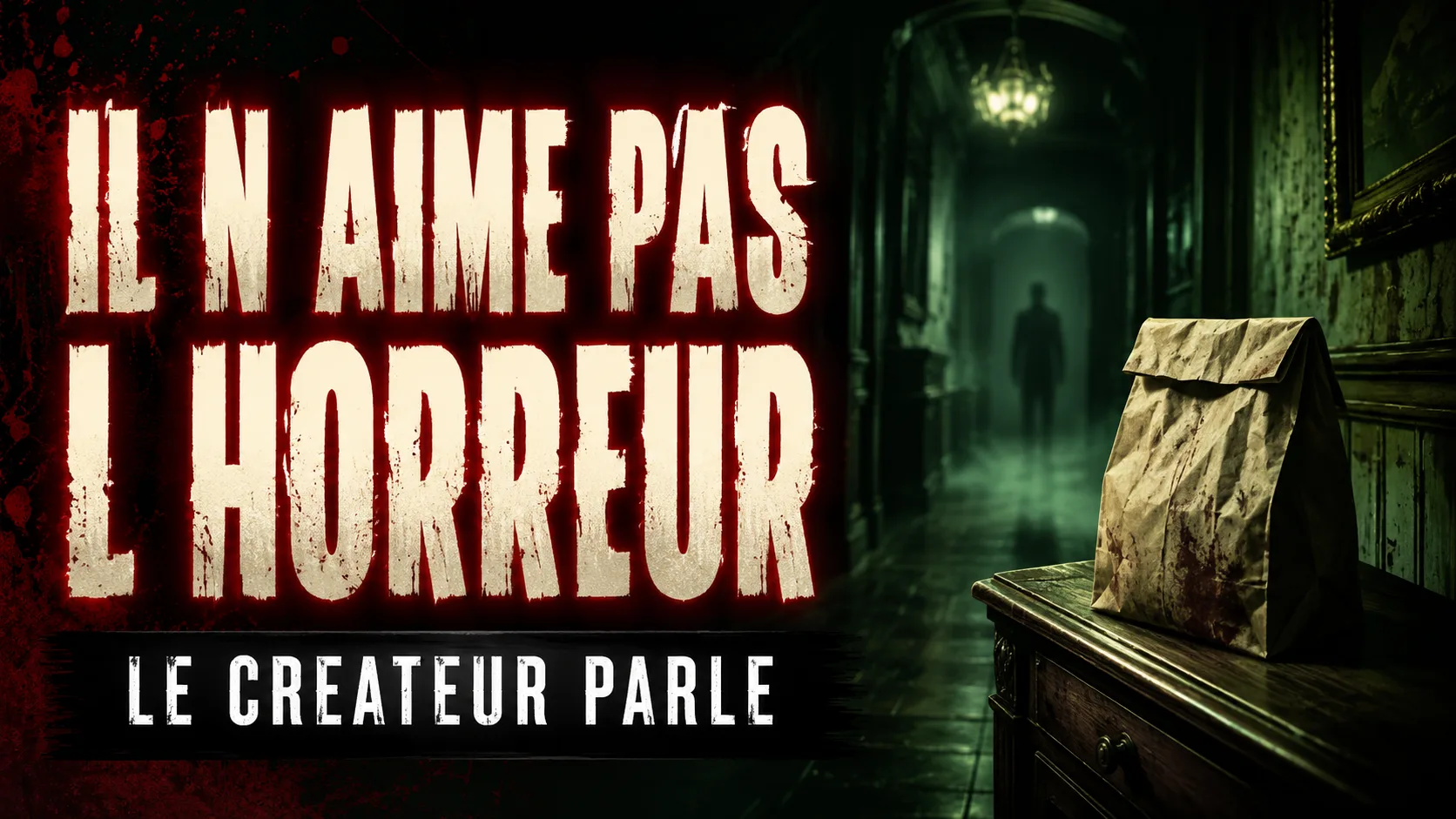
One man directed one of the most memorable horror games in video game history. That same man now admits he hates being scared. Hideki Kamiya, director of the original Resident Evil 2, said so bluntly in an interview with Video Games Chronicle, conducted by editor-in-chief Andy Robinson and published on September 1, 2026.
Kamiya isn’t content with a funny confession. He proposes a concrete idea for the series he helped shape: optional modes that would strip the horror out of the survival horror, without touching the experience of those who seek it. The idea raises a smile at first. It deserves a closer look, though, because it comes from someone who knows the series from the inside, and because he has already made this kind of bet elsewhere.
He Directed Resident Evil 2, He Never Finished Requiem
In the interview, Kamiya describes a long-standing discomfort. « I’ve never been a fan of horror… I don’t like horror, and I don’t like scary things, » he says. This aversion is nothing new: he says he has always struggled with scary content, even as a child.
The confession takes a more surprising turn when Kamiya reveals he couldn’t finish Resident Evil Requiem, because he found it too terrifying. The man who directed one of the series’ cornerstones put the controller down on a recent installment.
His diagnosis of Capcom’s current teams is blunt. According to him, they « must all be completely numb to how scary the thing they’re making is. » A developer who spends months, sometimes years, in the same dark corridors ends up seeing nothing but work. Kamiya keeps the eyes of someone who still gets scared, and he insists on being taken seriously: « This is not a joke; I’m being one hundred percent serious, » he stresses.
Paper Bags Over the Zombies’ Heads
His proposal fits in a few words: optional, non-scary modes, switchable by whoever wants them, without changing anything for anyone else. His examples are specific, and cheerfully odd. Softer lighting to dispel the oppressive atmosphere. Removing the blood effects. And the interview’s most memorable idea: paper bags placed over the zombies’ heads, to defuse the visual horror without removing the threat.
Taken on its own, the image is good for a laugh. A zombie wearing a paper bag isn’t much of a terror anymore. The intention behind it, though, is anything but light. For Kamiya, the goal is to open Resident Evil to audiences currently shut out, not for lack of interest in the story or the game, but because fear itself closes the door before they can even start.
His argument fits in one sentence: this kind of option would make the series accessible to a wider audience, without taking anything away from those who come for the horror. A player who wants to tremble keeps their experience intact. Someone paralyzed by fear can discover the plot, the characters and the staging, without giving it up for fear of not making it to the credits.
What Bayonetta Had Already Done
What keeps the idea from being brushed off is that Kamiya isn’t theorizing in a vacuum. He has already put this principle into practice on one of his own creations. « We included the Very Easy Automatic mode, » he recalls about Bayonetta, alongside the « Naïve Angel Mode. »
No one considered these options to have ruined Bayonetta. They coexisted with the game as he had designed it, offered to those who needed them, ignored by everyone else. It’s this precedent that gives weight to his proposal for Resident Evil: he isn’t asking Capcom to give up the horror, he’s asking to add a doorway alongside the one that already exists.
It’s worth keeping things in proportion, though. Hideki Kamiya no longer works at Capcom and has no say over Resident Evil. What he expresses in this interview is a creator’s opinion, not an announcement, nor even an idea being studied internally. No mode of this kind is planned to date on any game in the series.
What remains is a proposal from someone who made the game, not someone who merely comments on it. That’s enough to make it worth considering.





0 Commentaires
Aucun commentaire pour le moment. Soyez le premier à commenter !