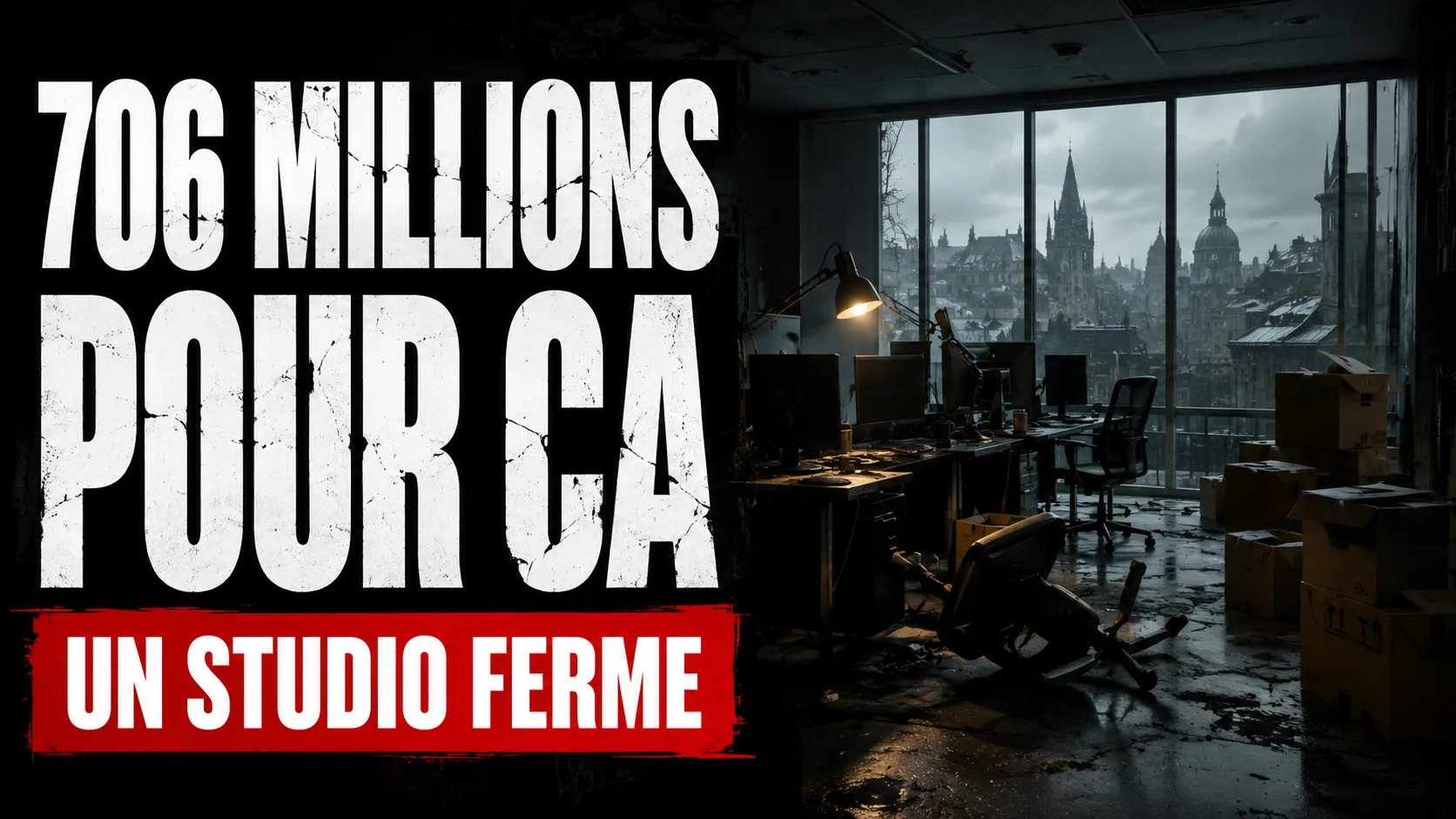
706 million euros. That is the amount Sega paid in August 2023 to acquire Rovio, the Finnish studio behind Angry Birds. Three years later, one of the group’s outposts is closing its doors: Sega is ending all operations at Rovio Copenhagen, its Danish subsidiary, after the cancellation of its mobile game Sonic Blitz.
Around twenty people were working on this project. The exact number of layoffs had not been confirmed at the time this information was published by Video Games Chronicle, on August 31, 2026, written by Chris Scullion. The announcement follows a tense financial trajectory since the acquisition, with revenue declining continuously and cost-cutting measures rolled out across the group’s studios.
Sonic Blitz Canceled, the Danish Studio Closes
Sonic Blitz blended two genres. Players ran through levels to collect rings, then moved into team-based tactical battles, in a format close to card collecting. This type of hybrid, fast-paced running followed by tactical combat, has been attempted by several mobile publishers in recent years.
In a statement relayed by Video Games Chronicle, Rovio explains: « Following a redundancy process, Rovio will discontinue all its operations in Denmark. » The studio adds a detail about the fate of the employees involved: « For team members who we cannot allocate to a new project within Rovio, we will provide a comprehensive transition package. »
No precise timeline accompanies this statement. The closure concerns the entire Danish site, not simply a reduction in staff.
706 Million at Purchase, a Writedown Three Years Later
Sega’s acquisition of Rovio dates back to August 2023, for an amount of 706 million euros. Since then, the Finnish studio’s revenue has been declining continuously, according to figures cited by Video Games Chronicle. The outlet puts an estimated intangible asset loss at 169 million euros in February 2026, a significant share of the deal’s initial value.
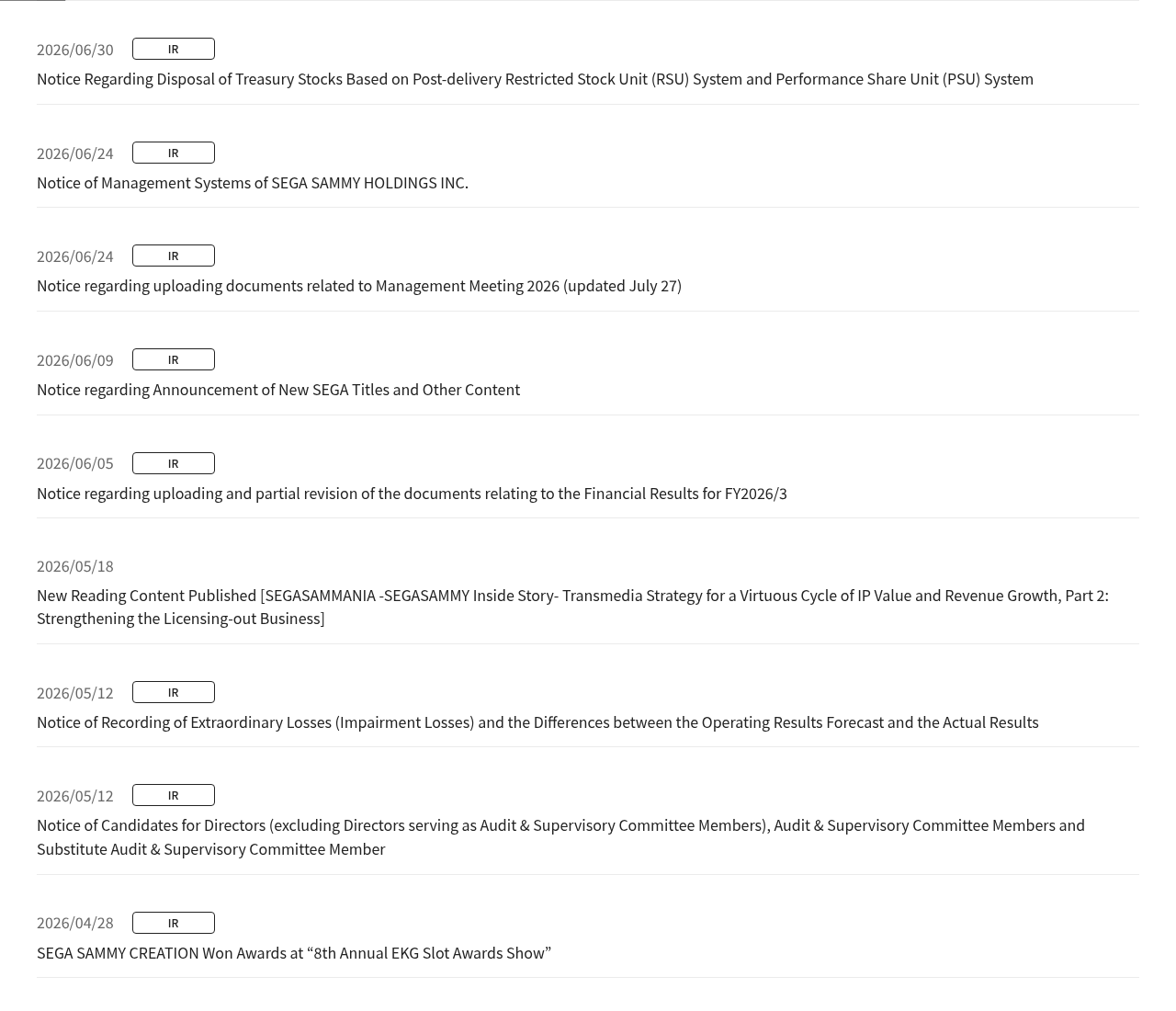
On the official website of SEGA SAMMY, the News Release section includes a document dated May 12, 2026, titled « Notice of Recording of Extraordinary Losses (Impairment Losses) and the Differences between the Operating Results Forecast and the Actual Results. » We checked this entry ourselves. It confirms the recording of extraordinary losses by the group, though we were unable to confirm whether it involves the same amount or the same transaction cited by Video Games Chronicle, which dates it to February. Both pieces of information point in the same direction without conclusively overlapping.
What both sources confirm, each in its own way, is the same underlying trend: an asset bought for 706 million euros that keeps losing value across accounting periods, and a group tightening costs on several fronts. The closure of Rovio Copenhagen is part of that movement.
What This Acquisition Tells Us
A twenty-person studio closing does not condemn an acquisition worth several hundred million. Angry Birds remains the core of Rovio’s value, and the franchise continues to exist under Sega’s banner. What disappears here is an outpost and the mobile project it carried.
Sega has not publicly detailed the reasons behind dropping Sonic Blitz. The studio’s statement mentions a layoff process, without commenting on the game’s performance or the group’s mobile strategy. The numbers, meanwhile, sketch a context: revenue declining since 2023, extraordinary losses recorded, and cuts already underway elsewhere.
This case recalls Night School Studio, acquired by Netflix and shut down a few years later. A video game acquisition does not just buy a studio, it funds a bet on its future output. When that bet does not pay off, closure follows, regardless of the amount committed at the start. Three years, 706 million euros, and one outpost fewer.









0 Commentaires
Aucun commentaire pour le moment. Soyez le premier à commenter !