
Riot Games has been developing an MMORPG for several years, and the project remains one of the most anticipated in video games. In this video, we cover everything we know so far: the state of development, the studio’s ambitions, and what sets this project apart from other recent attempts at the genre.
A widely noticed hire has just reignited interest: a World of Warcraft PvP veteran is joining the team, and that’s a strong signal. Here’s everything this implies, and why Riot might be the only studio today capable of reviving the MMO genre.
Riot MMO: where do things really stand?
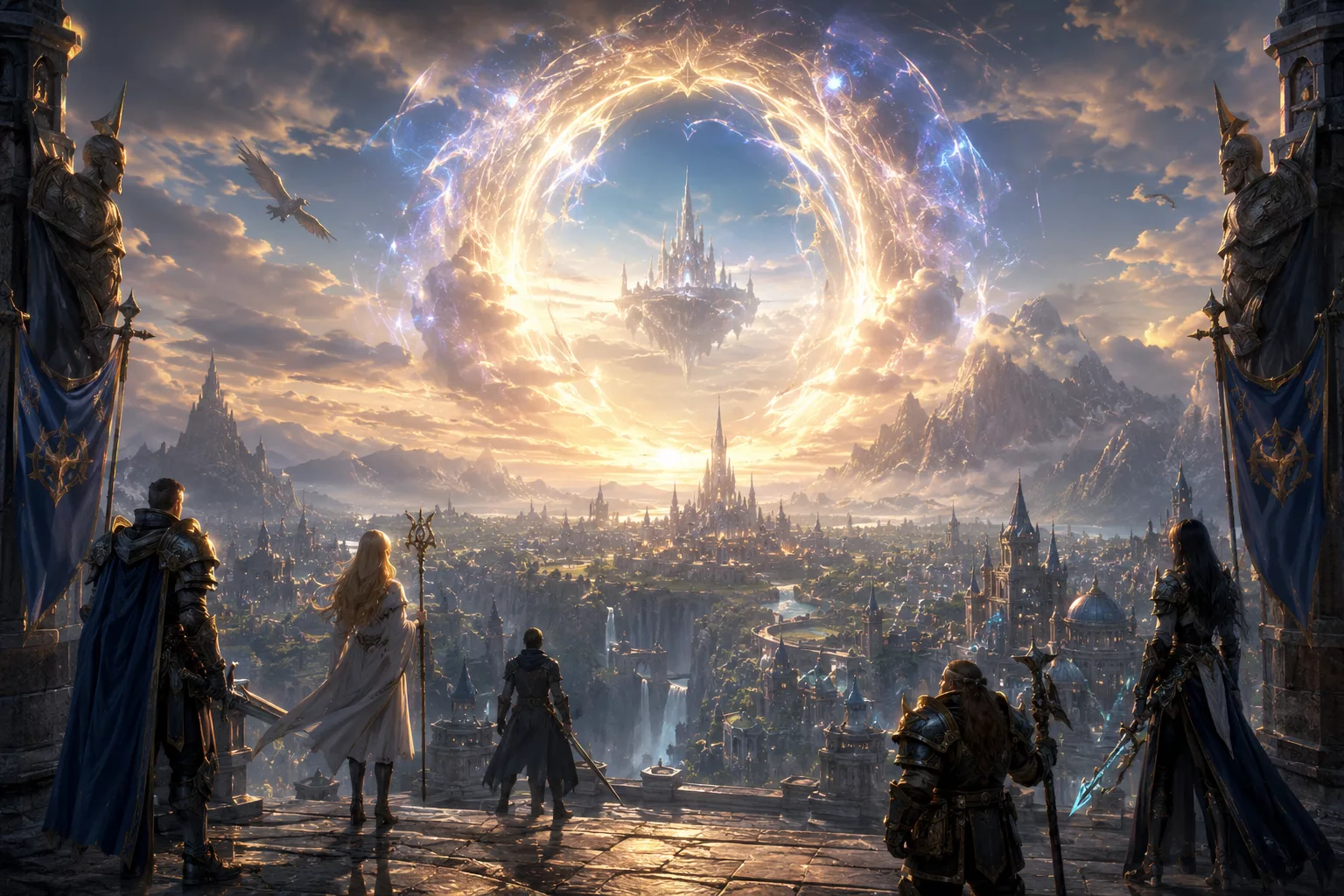
The Riot MMO is confirmed. Repeated, made official, hammered home for years. Yet two years have passed since the last notable progress update without any concrete news. The game still hasn’t released, and the wait is starting to weigh on fans.
Nicolo, one of Riot Games’ executives, has worked almost exclusively on this project since 2020. To mark League of Legends’ 20th anniversary, he published an official tweet announcing a release window around 2029, calculated from Riot’s own 20th anniversary. A deliberately wide range, openly acknowledged, to avoid putting pressure on the teams. Before or after 2029, there’s no way to know.
What’s certain is that the Riot MMO represents a central project for the studio. The stated ambition is clear: recreate at minimum what World of Warcraft achieved at its peak, potentially on an even bigger scale. Recent signals, including a particularly notable hire, confirm that development is moving forward seriously.
The hire that changes everything: Olinka joins
Riot Games has just hired Olinka, a name that speaks to every World of Warcraft veteran. This designer played a central role in PvP balancing for Mists of Pandaria and Cataclysm. He’s also the one who introduced rated battlegrounds, a competitive format that marked an entire generation of PvP players on WoW.
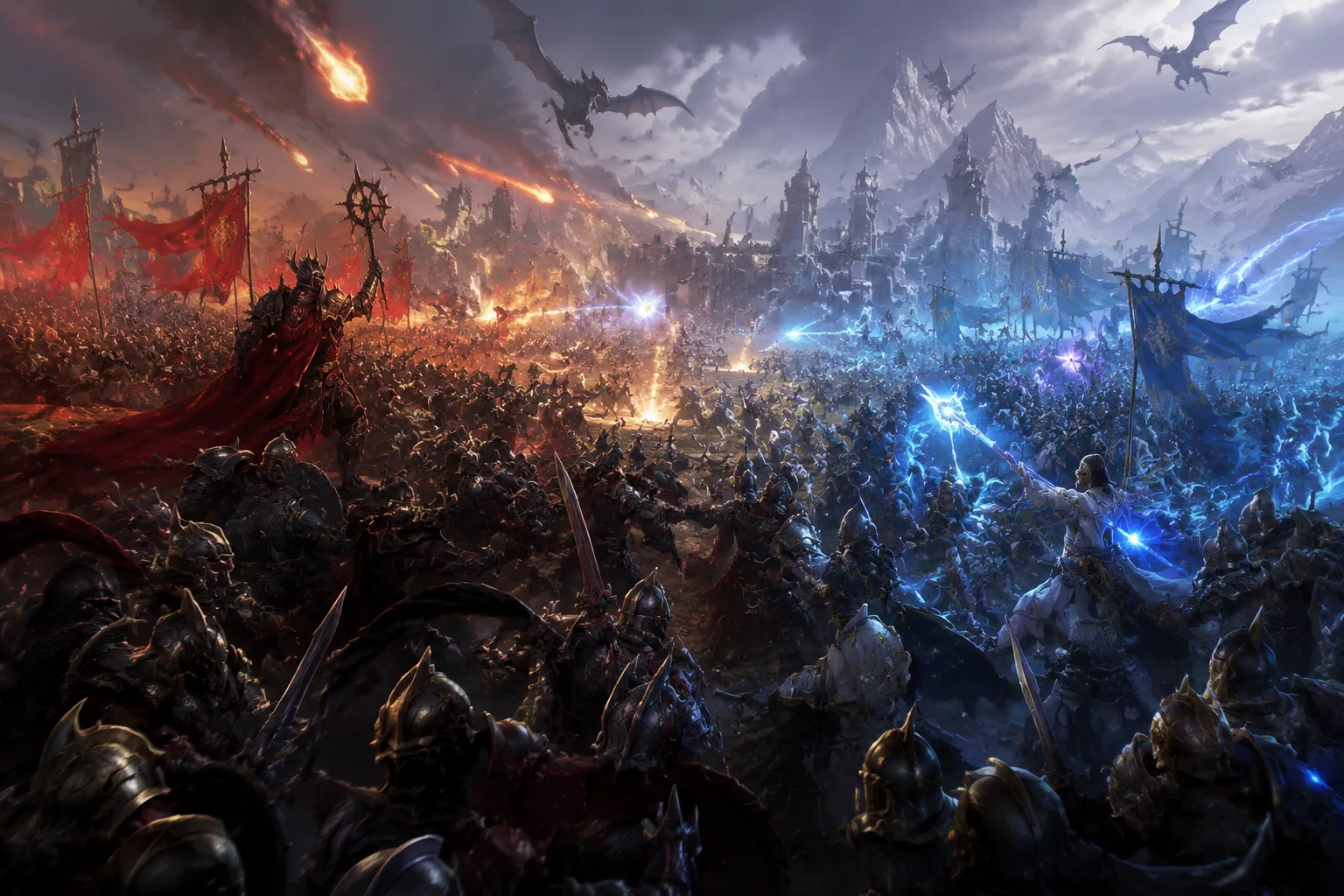
This hire didn’t come out of nowhere. For several months, Riot has been posting more and more job listings tied to this MMO, and these roles are growing in seniority. The profiles being sought are increasingly senior, increasingly specialized in the systems specific to large-scale MMOs.
This hire confirms that the project is moving forward seriously. Riot isn’t just keeping a small team in exploration mode: the Riot MMO is now an active undertaking, with the staffing to match its stated ambitions.
Is this really the right time for an MMORPG?
The question is worth asking. The MMORPG genre has been going through a rough patch for several years. World of Warcraft holds on thanks to its loyal community, but Blizzard stopped publishing its player numbers a while ago. Peak attendance used to coincide with major expansion releases, followed by a gradual decline. Destiny 2, often described as an MMORPG, has meanwhile been all but shelved.
The genre’s survivors are mostly older titles. Guild Wars, WoW Classic, or World of Warcraft’s recent retail version manage to hold on thanks to a seasonal system. Each season brings new content, new dungeons, a reason to come back. It closely resembles what ARPGs do today, and it works fairly well for keeping a base of regular players engaged.
This seasonal model clearly has its audience. But it assumes a game that’s already established, with an existing community. For a new MMO starting from scratch, the task is far harder. Riot Games knows exactly what it’s getting into.
Why Riot can succeed where Ashes of Creation collapsed
Ashes of Creation is the perfect example of what not to do. The project literally vanished. A financial scandal, money that evaporated, and in the end what looked promising turned out to be a massive disappointment. It’s all the more frustrating because the developers had real talent. The game worked on several fronts, even though it was far from finished.
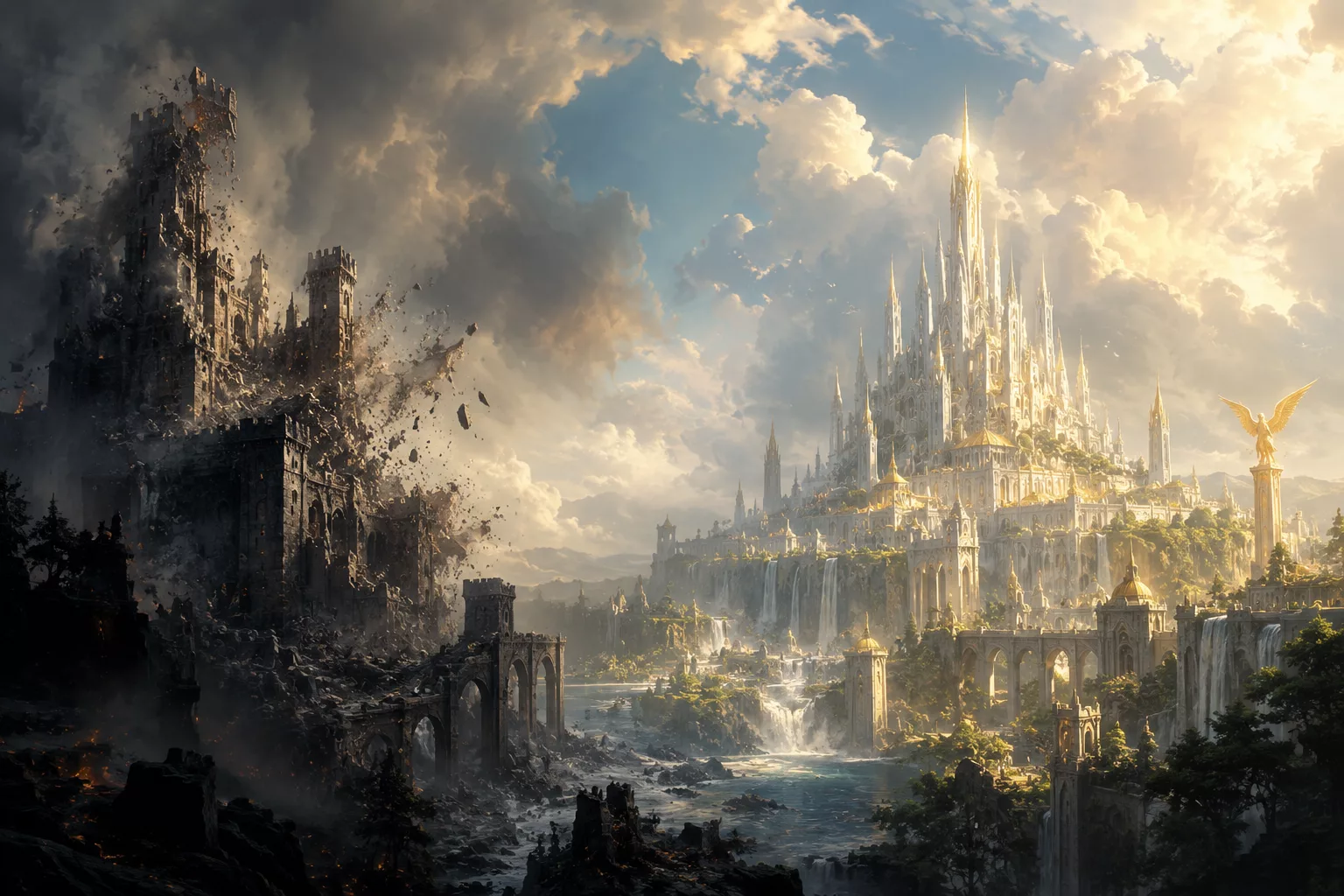
What’s striking is that an active community still existed. Highly engaged players, logging in every day, finding something worthwhile there. It proves the demand is real. MMOs aren’t dead in players’ minds, even if the genre is struggling.
The audience that stays loyal to this format is mostly between 40 and 60 years old. These are people who lived through World of Warcraft and Guild Wars, an era when missing out on high-level content meant missing out on something unique. That feeling has never really been recaptured since. Riot is stepping onto ground that’s waiting to be reclaimed.
Where other studios have failed for lack of resources or seriousness, Riot checks the boxes. The structure is solid, the resources are there, and the studio’s experience with competitive genres is real. It’s no guarantee, but it’s a starting point few other studios have had.
Riot’s secret weapon: depth and lore
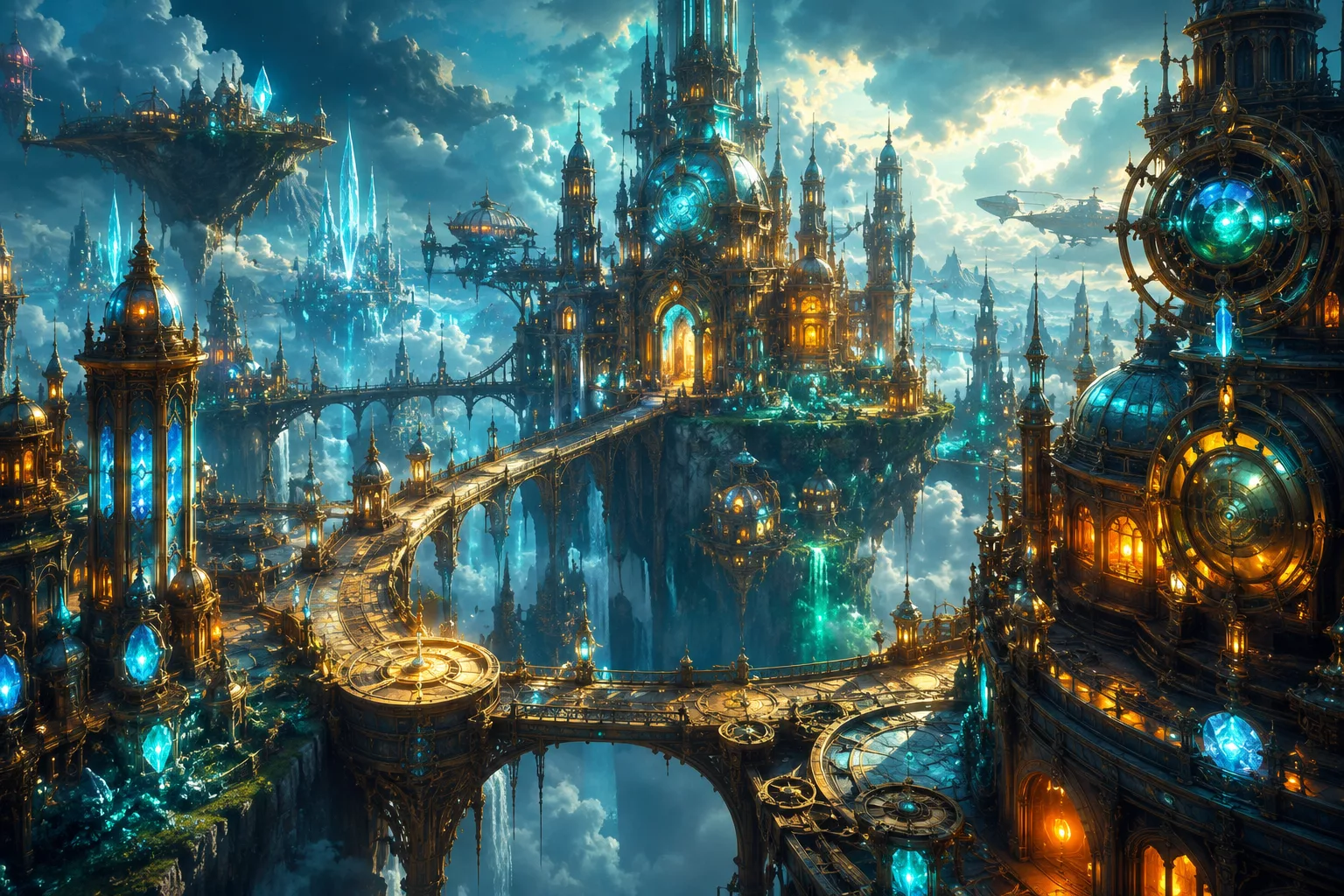
World of Warcraft survived this long for a simple reason: it occupied empty ground. At launch, lines formed outside stores. It wasn’t just a game, it was a revolution. Blizzard arrived with years of lore behind it: Warcraft 1, Warcraft 2, Warcraft 3, entire campaigns, cinematics, characters players already knew before even setting foot in the MMO. People weren’t stepping into an unknown universe, they were coming home.
Riot Games is in the process of reproducing that exact pattern. League of Legends started with almost no narrative. Champions fighting in an arena, a format close to a mini-game. Gradually, the characters gained personalities, backstories, dramatic arcs. An entire universe was built around them. And then came Arcane, one of the best animated series of recent years. Visually polished, narratively solid, emotionally engaging.
This groundwork creates something precious for an MMO: projection. Players arrive with references, attachments, characters they already want to meet again in an open world. That’s exactly what Ashes of Creation was missing. The quests existed, the mechanics too, but the world rang hollow. There was nothing to hold onto, nothing that made you want to come back for anything beyond pure gameplay.
Riot has been laying its foundations for years without most players even noticing. Every skin, every event, every League of Legends cinematic helps build a coherent lore. When the Riot MMO releases, players won’t be stepping into a foreign universe: they’ll be coming home.
A community and a budget like no other
Gameplay alone can be enough to make a good MMO. But when you add solid lore on top, you can attract a far larger number of players. Riot Games starts with an advantage Blizzard didn’t have back in the World of Warcraft days: a player base numbering in the hundreds of millions. People who already know the universe, who’ve played League of Legends and the studio’s other franchises. That’s a monstrous amount of firepower.
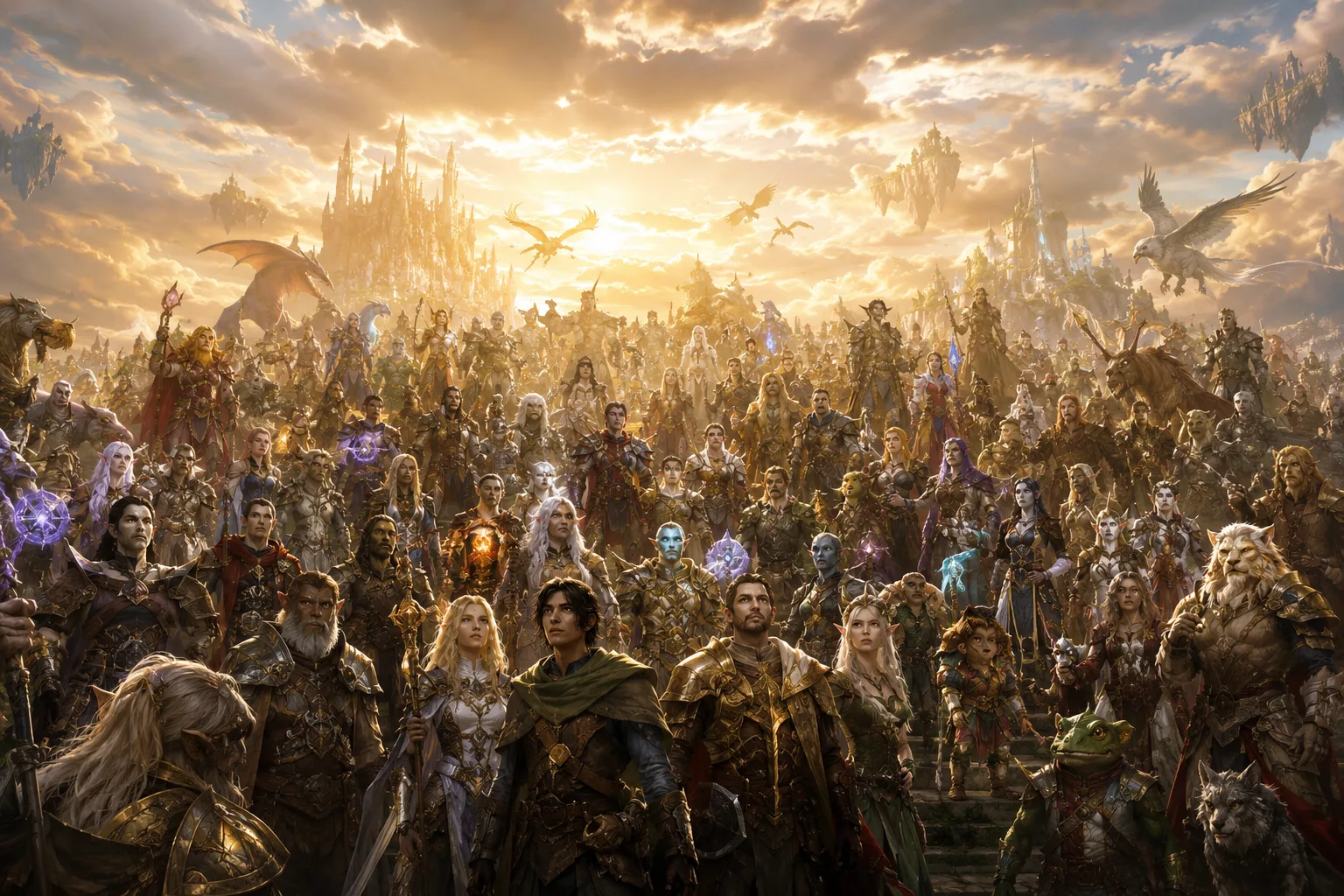
On top of that, there’s a budget on a completely different scale from what Blizzard had in 2004. If the game includes PvP and competition, the stakes will bear no resemblance to the early tournaments with prize pools of 5,000 or 10,000 dollars. Streamers will see it as the ideal playground. The most ambitious players will be able to consider a professional career. The MMORPG genre has this rare ability to reach younger players, older players, lore fans, and hardcore competitors alike.
If there’s one MMO today capable of reviving the genre, it’s the Riot MMO. The community is there. The universe is there. The financial resources are there. What remains to be seen now is whether the execution will live up to the expectations.
The release is estimated at roughly four years away. That leaves time to watch the project take shape, the first demos arrive, and the first impressions form. For now, that’s the 2026 status update on Riot’s future MMO.





0 Commentaires
Aucun commentaire pour le moment. Soyez le premier à commenter !