
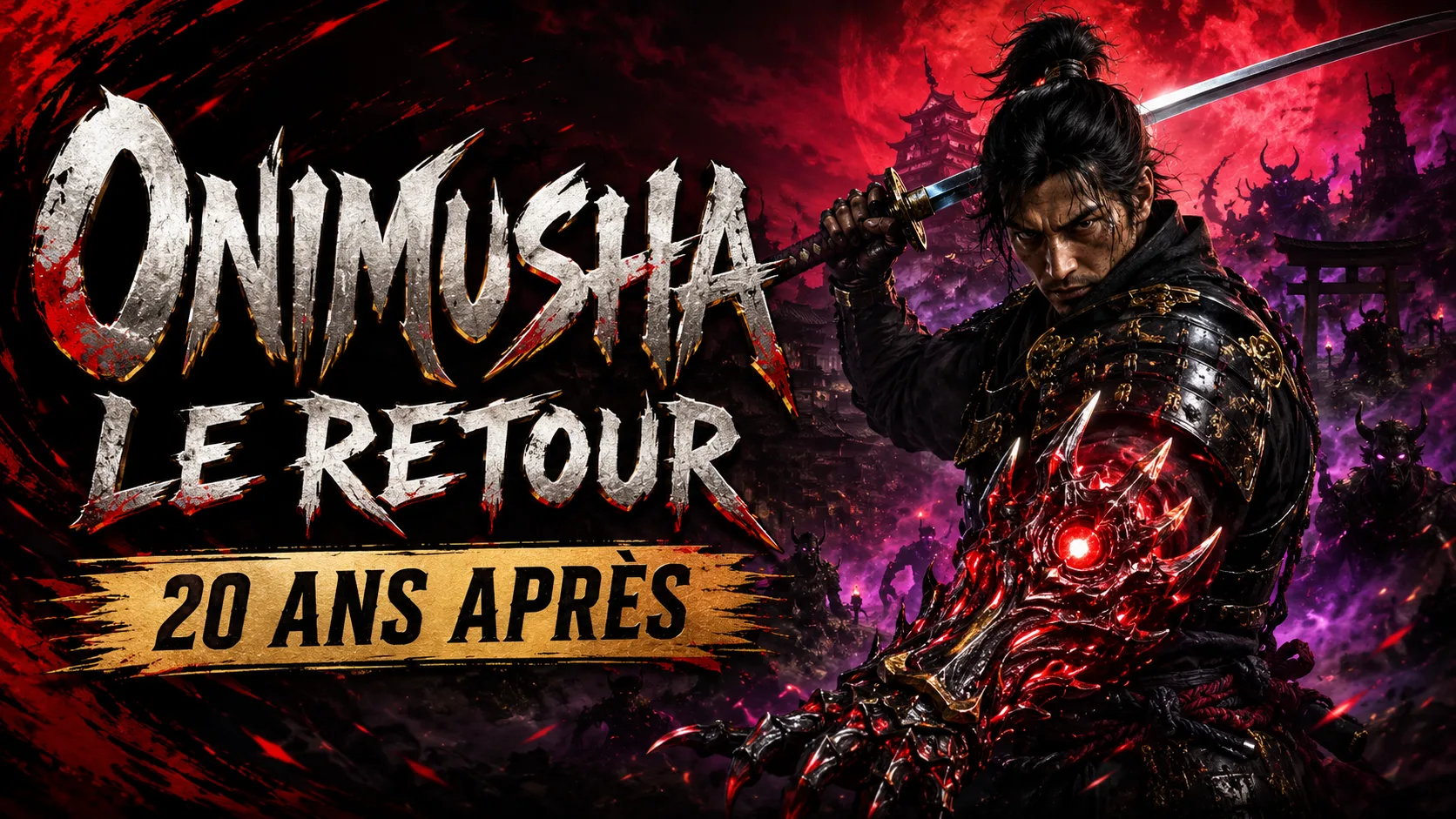
Musashi walks through the misty streets of Kyoto, Oni Gauntlet in hand, closing the book on twenty years of silence. Onimusha: Way of the Sword launches on September 4, 2026, the day after tomorrow, on PS5, Xbox Series X|S, PC, and Nintendo Switch 2. Capcom moved the release forward by three weeks; it was originally set for September 25. The franchise hadn’t seen a single new entry since Onimusha: Dawn of Dreams in 2006.
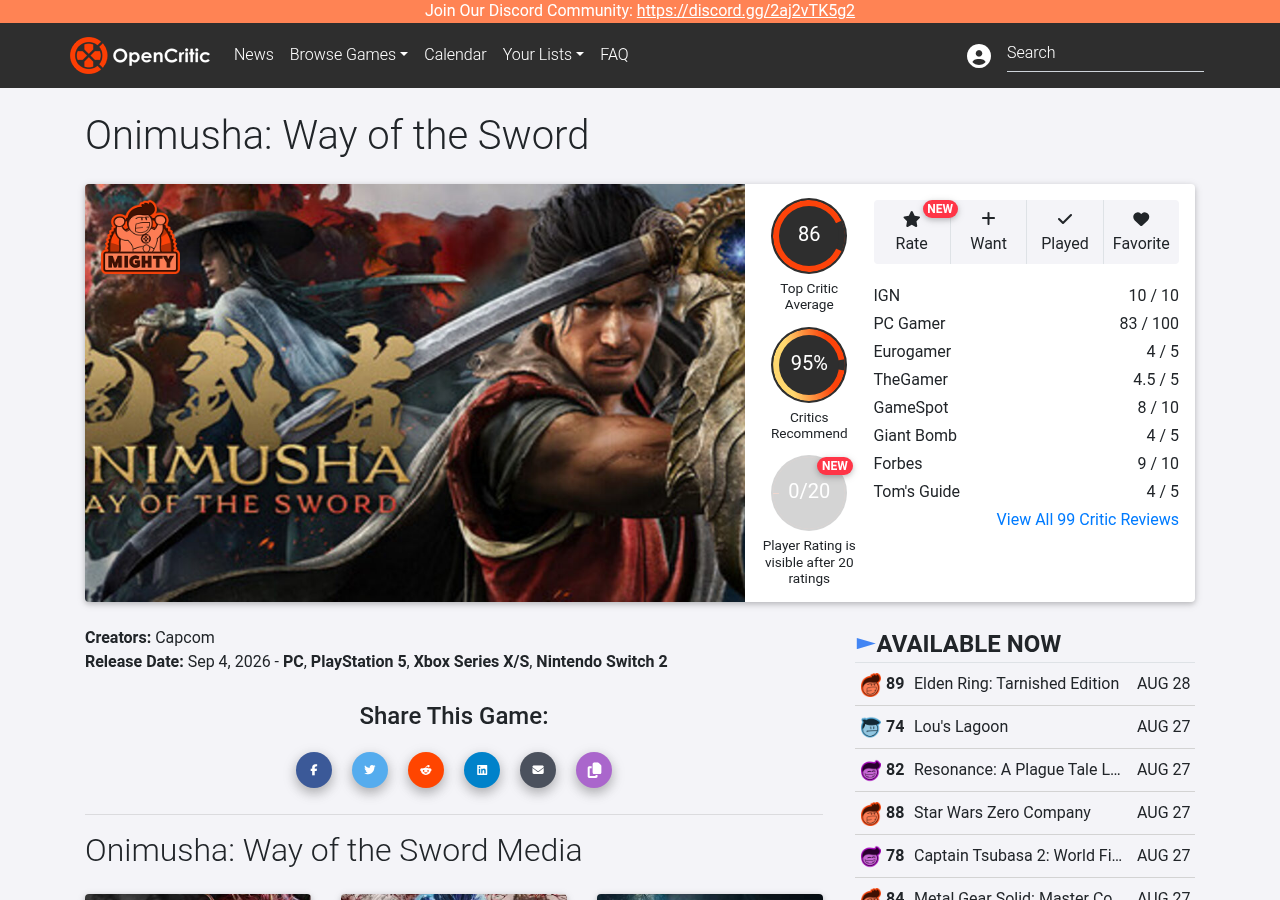
Reviews have been rolling in since August 31, 2026, and the verdict clearly leans positive. On OpenCritic, the game holds an 86 average across 99 reviews as of September 2, with a 95% recommendation rate and the “Mighty” badge, the site’s highest category. On Metacritic, scores range from 82 to 89 depending on the platform, with an 85 PS5 average across 82 reviews according to South Korean outlet Inven Global.
At IGN, journalist Will Borger gives it a 10 out of 10, a first in the series’ history. That score fits into a strong year for Capcom, but it masks a clear rift among reviewers, centered on the campaign’s length and on the choice of a semi-open world, semi-open zones packed with side quests, in place of the tight, interconnected spaces of earlier games.
Way of the Sword Scores Its First 10/10 at IGN
Will Borger writes the review for IGN and gives Way of the Sword a perfect score, a first for the series since it began. He notes he finished the roughly 25-hour campaign without any assist options, the settings that make combat easier, such as parry assistance. He particularly praises the Issen system, the counterattack triggered at the exact moment an enemy strikes, which punishes a missed dodge harshly. He also praises the writing around Musashi and his relationships with Shizuka, Takamura, and Okuni.
Here, Capcom modeled Musashi on actor Toshiro Mifune, the ultimate reference in samurai cinema. The studio hasn’t made just one statement this month, since the creator of Resident Evil 2 is adding a mode for players who don’t like horror.
Kyoto, the Malice, and the Return of the Oni Gauntlet
The action takes place in Kyoto during the Edo era, Japan’s historical period between 1603 and 1868, marked by the peace imposed by the shoguns. The city is overrun by the Malice, an evil mist, and populated by Genma, the series’ signature demons. Musashi wields the Oni Gauntlet, the franchise’s signature weapon since the first game in 2001, capable of absorbing the souls of defeated enemies.
Structurally, the game leans into semi-open zones packed with side quests, with two separate skill trees, one for Oni weapons and one for the hero’s abilities. Capcom is also offering a demo whose save file unlocks a bonus in the full game, and an “early adopter” bonus, reserved for players who purchase early, remains available until September 25, 2026.
This packed schedule isn’t unique to Capcom. September 2026 also brings Silent Hill: Townfall, due on the 24th, twenty days after Way of the Sword’s release.
The Combat Wins Everyone Over, the Length Divides
Reviews converge on one point: the combat system. Writing for Inven Global, South Korean journalist Donghwi “Kobee” Kim states on August 31, 2026, that the parry-based combat is “polished”, and praises the variety of Oni weapons as well as the recreation of Kyoto. He does criticize repetitive mini-bosses and a difficulty spike he calls “artificial” in the middle and toward the end of the game.
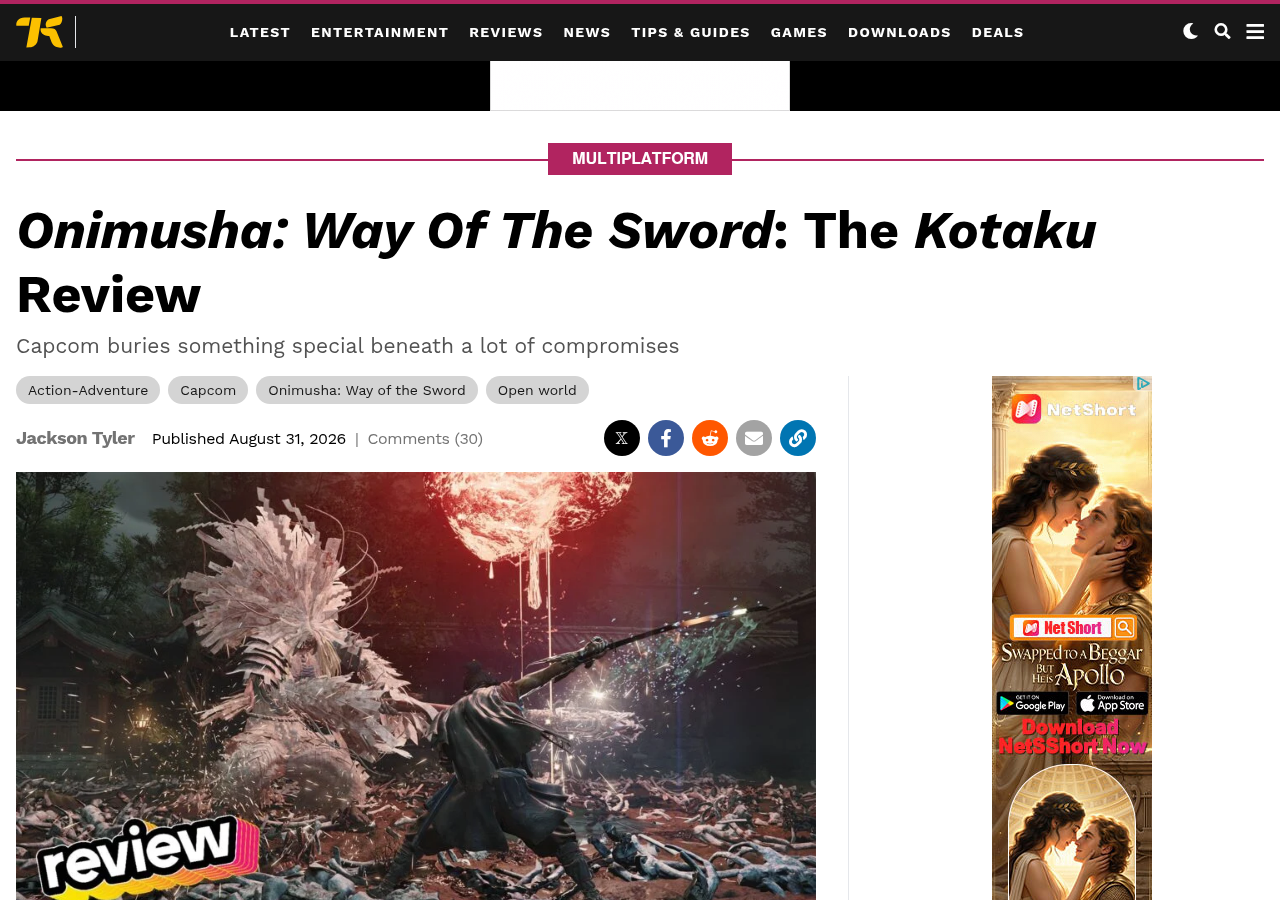
The disagreement runs deeper over the game’s structure. Kotaku, written by Jackson Tyler, titles its review “Capcom buries something special beneath a lot of compromises” and argues the studio has “removed too much of the series’ identity” by replacing the historically interconnected spaces with a semi-open world loaded with side quests and collectibles, items to pick up that are often cosmetic or trivial. He concludes it’s “a game at war with itself”.
Polygon sums up the tension in one striking line, “an excellent 12-hour action game stretched into a 25-hour slog”. VGC echoes that with a title that reads like a warning, “A series reborn with great fights, but too many wrong modern lessons”. The score spread bears that out, from Hey Poor Player’s 100/100 to GamesRadar+’s 3.5/5.
The Capcom Method: Four Hits in One Year
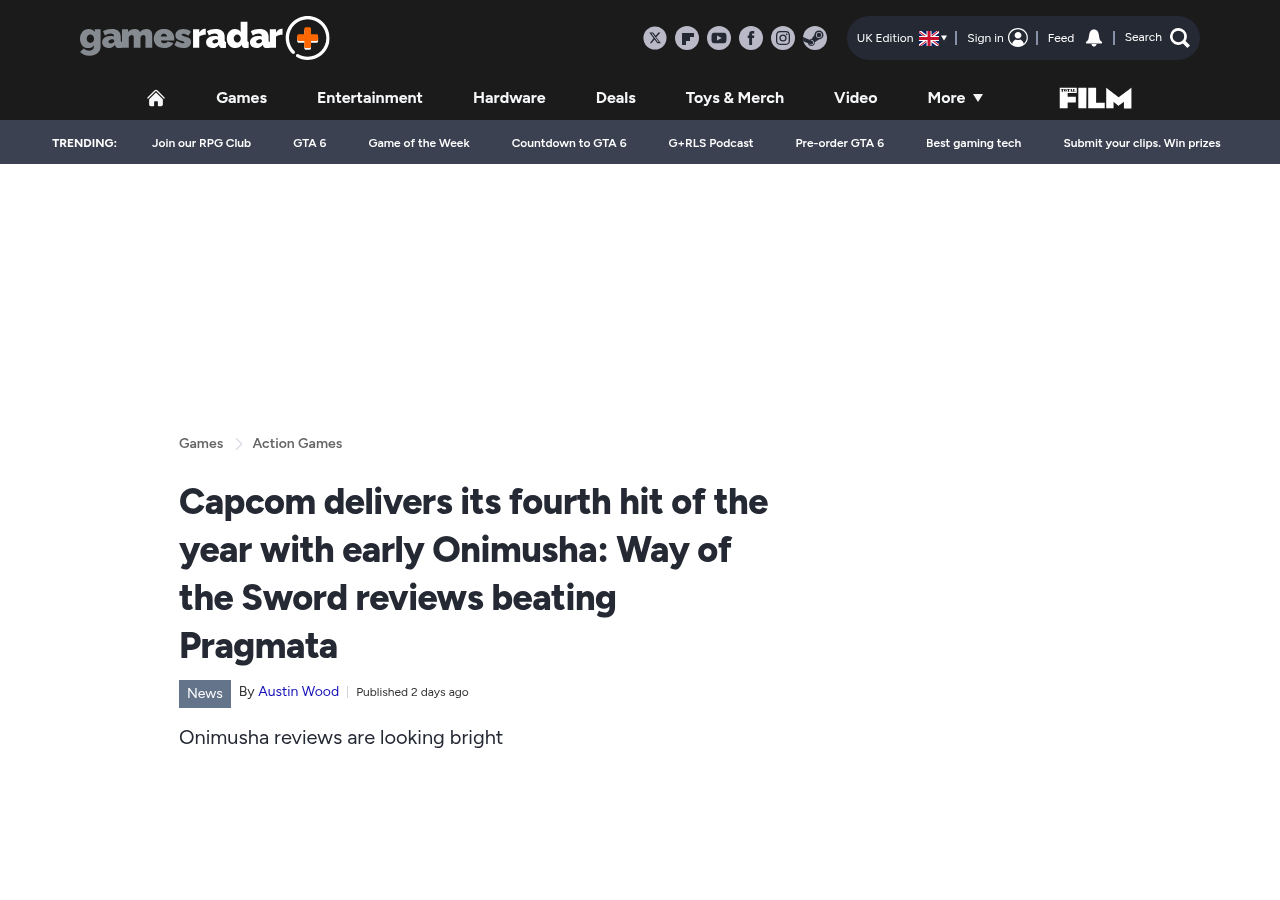
2026 has been a strong year for Capcom on Metacritic. Resident Evil Requiem peaks at 89, tied with Pokémon Pokopia for the year’s highest score, with a 9.4 user rating. Monster Hunter Stories 3 reaches 86, and so does Pragmata. For GamesRadar+, journalist Austin Wood wrote on August 31, 2026, that Onimusha was becoming the studio’s fourth hit of the year, its early scores even topping those of Pragmata.
This string of high scores raises questions in an industry that has seen a wave of studio closures and layoffs in recent years. Way of the Sword doesn’t erase these difficulties, but it confirms the strength of a studio that has made reviving its dormant franchises a deliberate strategy since Resident Evil 2 in 2019. Other publishers face comparable score gaps: our review roundup of the Tarnished Edition of Elden Ring had already shown how much a single game can divide critics on specific points without ever derailing its overall reception.
Musashi, for his part, awaits his final verdict in the hands of players, starting this Friday.









0 Commentaires
Aucun commentaire pour le moment. Soyez le premier à commenter !